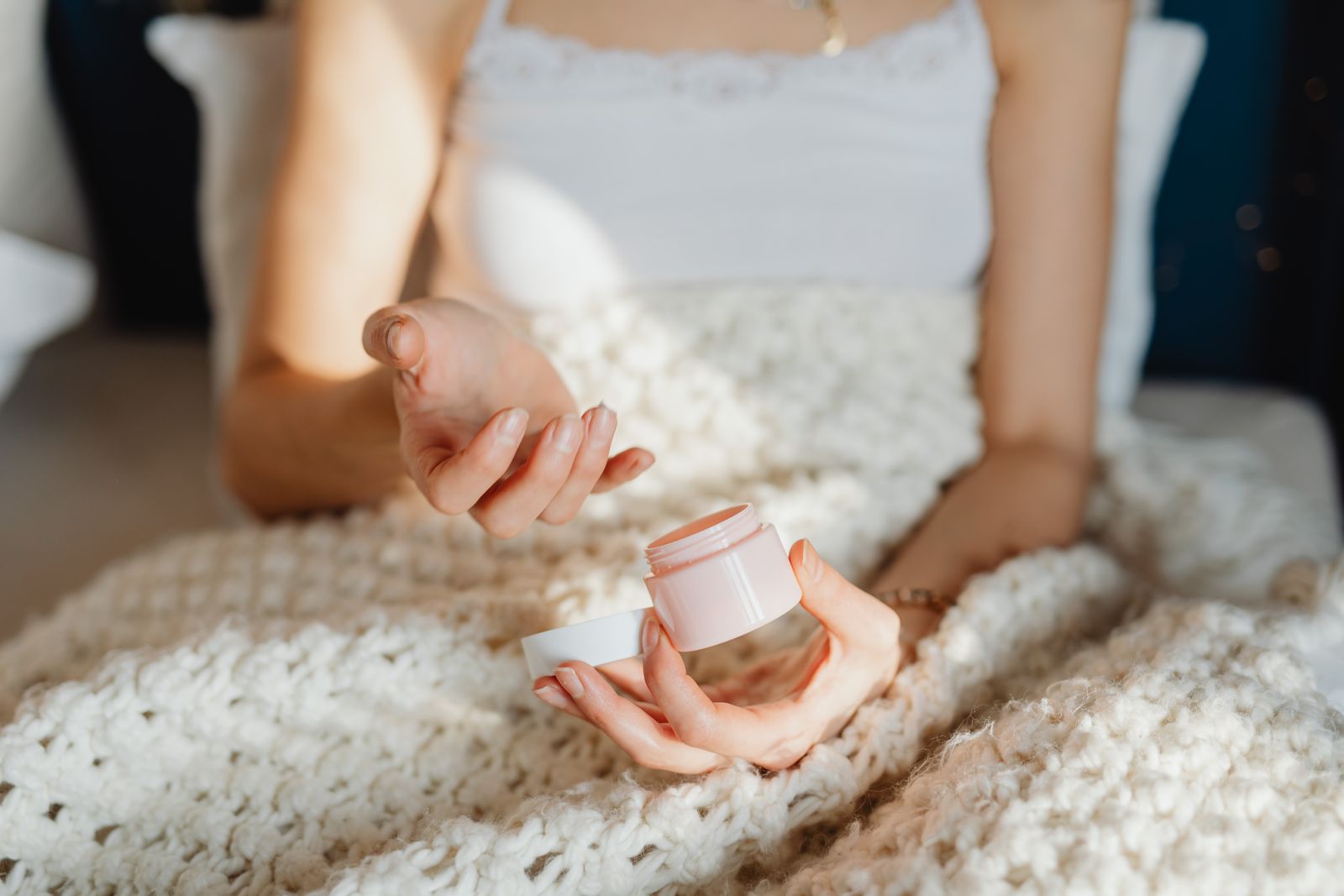
TCM Guide to Winter Itch 2026: Blood Deficiency, Dry Skin, Acupressure, and Cold-Weather Skin Care
Cover image source: Pexels (photo by Kaboompics.com)
🌿 A gentle note from us
The practices shared here are rooted in Traditional Chinese Medicine traditions that have been passed down for thousands of years. We share them as educational resources — not as prescriptions or medical advice.
Every body is different. What brings balance to one person may not be right for another. Please listen to your body, go gently, and check with a qualified healthcare provider before trying any new wellness practice — especially if you are pregnant, managing a chronic condition, or have specific health concerns.
Some links on this site are affiliate links. If you choose to purchase through them, we may earn a small commission at no extra cost to you. This helps us continue sharing ancient wisdom for modern wellness. Thank you for your trust.
When November Nights Start to Itch
It is early November. The heater is running, your showers are getting longer, and your shins itch so badly at bedtime that you scratch them raw. A heavier blanket brings warmth, but the itching keeps waking you.
Start with the skin barrier. Traditional Chinese medicine (TCM) offers a historical way to describe patterns of dryness; practical care still begins with gentler washing, moisturizer, and checking symptoms that need medical attention.
What Winter Itch Actually Is
Winter itch often describes seasonal itching from dry skin. When dryness causes inflammation and fine cracks, clinicians may diagnose asteatotic eczema, also called xerotic eczema or eczema craquele. Not every winter itch is eczema.
The characteristic “crazy-paving” appearance resembles cracked porcelain: intersecting shallow fissures between small patches of dry, scaly skin. Lower legs are common sites, although arms and the trunk can also be affected. Older adults are particularly vulnerable. Aging reduces sebaceous and sweat gland function and epidermal lipid production, weakening the skin’s ability to retain moisture. StatPearls explains these changes and the typical presentation.
Low humidity and repeated, overly hot bathing are major triggers. Heated indoor air adds to the problem, while harsh cleansers remove protective oils. Scratching then damages an already fragile surface. This cycle can persist even after the original cold snap ends.
Why TCM Calls It Blood Deficiency with Wind
In traditional language, Blood deficiency generating Wind describes skin believed to lack nourishment, with itching interpreted as Wind. Capitalized Blood refers to a TCM concept; it is not a measurement of circulating blood or a diagnosis of anemia.
A practitioner might consider this pattern when dry, rough skin and nighttime itching occur alongside brittle nails, dizziness, and poor sleep. These signs are nonspecific: dizziness and fatigue deserve conventional assessment when persistent. Nighttime itching alone cannot establish a pattern.
This is a historical framework, not a laboratory diagnosis. It does not show that a person lacks iron, and it does not explain every case of winter eczema. Other traditional patterns include:
- Wind-Heat: more sudden itching with redness and a burning or hot sensation.
- Damp-Heat: an inflamed, swollen appearance with moisture or oozing.
These are traditional descriptions, not substitutes for identifying infection, allergy, or another skin disorder. Oozing especially needs medical attention. Even within TCM, the same symptom of “itch” does not justify giving everyone the same herbal formula. Assessment considers the whole presentation, and a pattern label cannot guarantee a treatment response.
What the Evidence Says
The research gives some positive signals, but studies are few, samples are small, and methods vary. It does not establish that acupuncture or acupressure cures winter itch.
The systematic review available as PMC4430643 found improvement in itch across a small group of randomized trials. Its authors called for further research; the findings do not validate a specific home routine for asteatotic eczema.
A meta-analysis of acupuncture and acupressure for uremic pruritus also reported benefit, while requesting stronger studies. Uremic pruritus occurs in people with advanced kidney disease. Those results cannot simply be transferred to seasonal dry skin.
A meta-analysis of acupuncture for atopic dermatitis reported improvements in some outcomes, including itch, but emphasized limitations in study quantity and quality. Atopic dermatitis differs from asteatotic eczema, and needles administered by a practitioner differ from finger pressure at home.
Treat acupressure as an optional comfort practice alongside skin care. The schedule below is a gentle practical suggestion, not a research-proven dose or replacement for prescribed treatment.
Acupressure Routine for Dry, Itchy Skin
Sit comfortably, wash your hands, and use a fingertip pad rather than a nail. Finger-width measurements below use your own fingers and are approximate; a qualified practitioner can demonstrate placement. Work only on healthy skin, once daily, on both sides if comfortable.
LI11: Crooked Pool — Quchi (曲池)
Bend your elbow. Find the outer end of the crease on the thumb side of your arm. Apply light, steady pressure for 20 seconds, release for five seconds, and repeat twice per arm. Avoid digging into the joint.
SP10: Sea of Blood — Xuehai (血海)
With your knee bent, find the fleshy inner thigh roughly three finger-widths above the upper inner corner of your kneecap. Press gently into the muscle for 20 seconds, release, and repeat twice per leg. The traditional name does not mean pressure increases blood production.
SP6: Three Yin Intersection — Sanyinjiao (三陰交)
Measure about four finger-widths above the highest point of your inner ankle bone. The point lies just behind the inner edge of the shinbone. Use light pressure for 15 seconds, release, and repeat twice per leg. Do not press directly on bone or visible swollen veins.
LI4: Joining Valley — Hegu (合谷)
Bring your thumb and index finger together and find the raised muscle on the back of your hand between them. Relax the hand before pressing that area. Apply gentle pressure for 15 seconds, release, and repeat twice per hand.
ST36: Leg Three Miles — Zusanli (足三里)
Below the outer hollow beside your kneecap, measure about four finger-widths downward. Find the muscle roughly one finger-width outside the shinbone’s front ridge. Press comfortably for 20 seconds, release, and repeat twice per leg.
Stop if pressure causes pain, tingling, bruising, or more itching. Do not press broken, infected, sunburned, or actively inflamed skin, or an area with phlebitis. If pregnant, ask your maternity clinician before starting, particularly before using SP6 or LI4. People taking anticoagulants or with fragile skin should seek advice and use especially light pressure. Never attempt self-needling.
Food and Kitchen Remedies for Dry Skin
Traditional food therapy describes the aim as nourishing Blood, supporting Yin, and moistening dryness. These are cultural dietary principles, not evidence that a particular soup repairs eczema. Use ordinary foods to build varied meals with enough protein and dietary fat.
Try small, practical additions:
- Breakfast: stir ground black sesame into oatmeal, or make a lightly sweetened black sesame paste. Add walnuts if you tolerate nuts.
- Lunch: serve thoroughly cooked black beans with rice and cooked Chinese yam. Include vegetables and another protein source as needed.
- A warm snack: simmer food-grade white wood ear, also called snow fungus or tremella, with sliced pear until tender. Follow package soaking instructions and refrigerate leftovers promptly.
- Dinner: use chicken-bone or pork-bone broth as a base for vegetables and tofu or meat. Broth alone is not a complete protein-rich meal.
- Occasional additions: put a few mulberries, goji berries, or chopped red dates into porridge; cook edible lily bulbs into soup. Use food-grade ingredients, not ornamental garden lilies.
These foods are optional, not a daily shopping checklist. Avoid known allergens. Ask a pharmacist about goji berries if you take warfarin. Keep dried fruit portions modest and drink normally rather than forcing extra water.
Dang gui and sheng di belong to individualized medicinal prescribing, not an everyday kitchen experiment. Do not take them long term on your own; a qualified TCM practitioner should assess suitability and coordinate with your clinician. NCCIH’s TCM guidance explains concerns about herbal product safety and interactions.
Bathing, Heat, and Humidity
Keep showers five to ten minutes, using comfortably warm rather than hot water. Wash gently; skip scrubs and fragranced cleansers. Pat dry and promptly apply a thick, fragrance-free cream or ointment while skin remains slightly damp. Reapply when skin feels tight. These steps follow AAD’s dry-skin care advice.
If using a fragrance-free emollient bath oil, follow its label and guard against a slippery tub. A leave-on cream afterward is still useful. Avoid essential oils on irritated skin.
Use a hygrometer rather than guessing humidity. Aim for roughly 40–50%, and keep it under 50%; the US EPA advises against humidifying above 50 percent because higher levels encourage mold and dust mites. If water condenses on windows, turn the humidifier down. Empty and refill portable humidifiers daily, clean them every third day, and use low-mineral water such as distilled. This is an environmental adjustment, not a therapeutic prescription.
Keep wool away from bare skin with a soft cotton layer. Lower excessive room heat, avoid sitting against a heater, and reduce electric-blanket heat if it provokes itching. Use fragrance-free laundry detergent in the recommended amount; add a rinse if residue remains.
When It Is Not Just Dry Skin
Arrange an appointment if consistent care brings no improvement within two weeks, or sooner for cracks that bleed, severe sleep disruption, or widespread itching. Seek prompt assessment for pus, oozing, spreading redness, increasing warmth or pain, or fever.
Mention unexplained weight loss, persistent fatigue, unusual cold intolerance, constipation, or other possible thyroid symptoms. Asteatotic eczema occasionally signals hypothyroidism or a blood disorder such as lymphoma; this is uncommon but should not be ignored. Generalized itching, especially without a clear rash, also warrants evaluation.
Review new medicines with your clinician. Diuretics, among other drugs, can contribute; do not stop prescribed medication yourself. Patient.info describes medication triggers and associated systemic diseases. A clinician may recommend anti-inflammatory treatment when moisturizer alone is insufficient.
A Two-Week Realistic Routine
Days 1–7: Keep the routine simple enough to repeat.
- Each morning: moisturize dry areas and check bedroom humidity. Choose one balanced breakfast; add sesame or walnuts if suitable.
- Three evenings this week: prepare one food option above, such as pear-tremella soup or beans with yam. Continue normal meals on other days.
- Each bathing day: set a five-to-ten-minute timer, use warm water, and moisturize immediately afterward.
- Each evening: allow about eight minutes for optional gentle acupressure. Skip irritated locations. Keep nails short and use a brief cool compress instead of scratching.
- Each bedtime: note itch from zero to ten and whether it interrupted sleep. Check for new cracks.
Days 8–14: Repeat what was comfortable. Compare sleep, itching, and skin appearance with day one. Stop acupressure if it irritates; retain the moisturizing routine. Book care if improvement is absent, and seek help earlier for warning signs.
For your next step, use the AAD’s practical dry-skin guide to review your bathroom routine today. Aim for fewer scratches and better sleep, not a promise of perfect skin in fourteen days.