TCM Tongue Diagnosis for Beginners: What Tongue Color, Shape, and Coating May Tell You — and the Changes That Need a Doctor (2026 Guide)
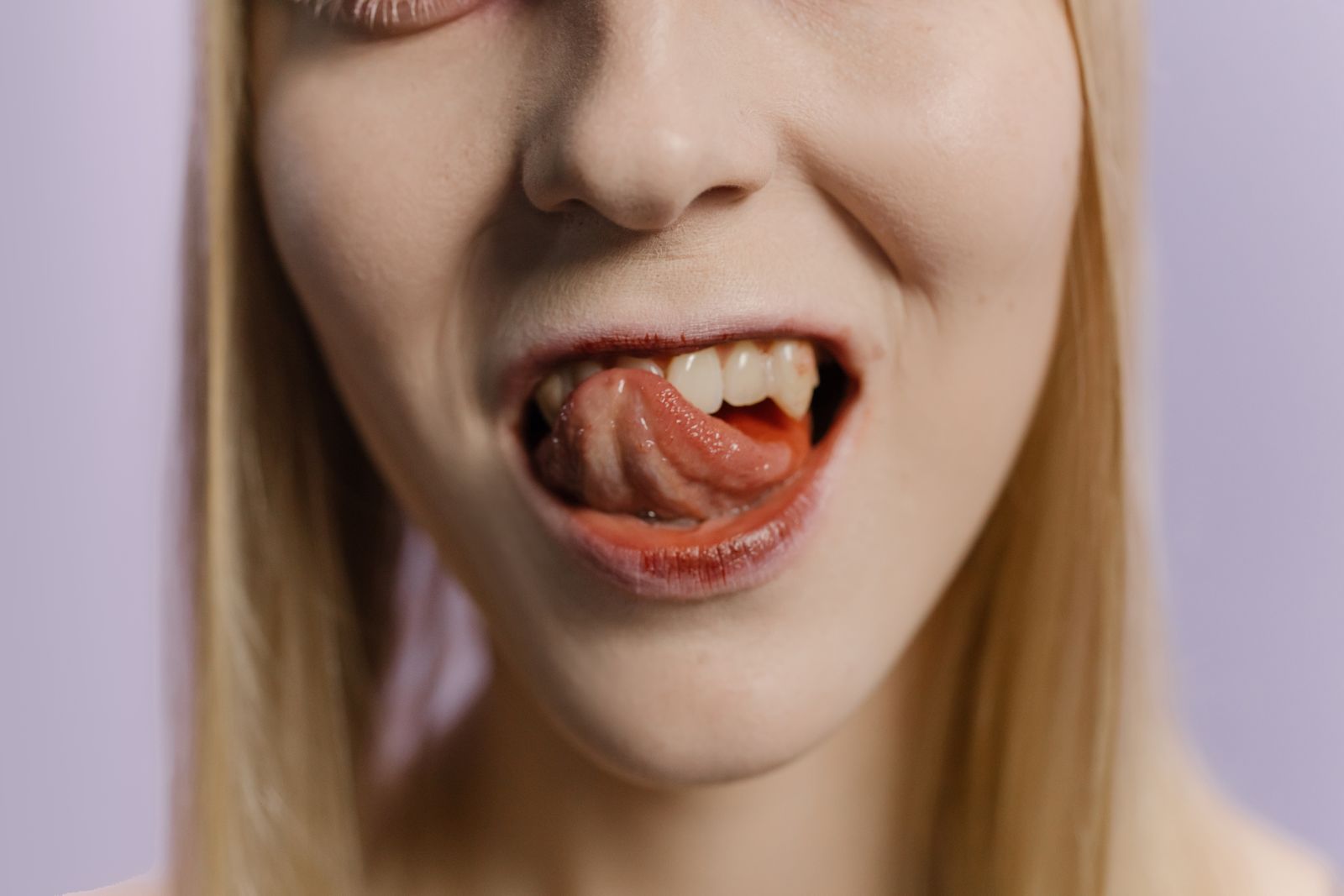
Cover image source: Pexels (photo by cottonbro studio)
🌿 A gentle note from us
The practices shared here are rooted in Traditional Chinese Medicine traditions that have been passed down for thousands of years. We share them as educational resources — not as prescriptions or medical advice.
Every body is different. What brings balance to one person may not be right for another. Please listen to your body, go gently, and check with a qualified healthcare provider before trying any new wellness practice — especially if you are pregnant, managing a chronic condition, or have specific health concerns.
Some links on this site are affiliate links. If you choose to purchase through them, we may earn a small commission at no extra cost to you. This helps us continue sharing ancient wisdom for modern wellness. Thank you for your trust.
You look in the bathroom mirror and notice that your tongue seems whiter than yesterday. Perhaps its edges have tooth marks, or a smooth red patch has appeared. If you have never studied Chinese medicine, online descriptions of “heat,” “dampness,” and “deficiency” can make an ordinary observation feel like a diagnosis.
This beginner’s guide explains how to look, what traditional Chinese medicine (TCM) means by these descriptions, and when to see a doctor or dentist. A tongue’s appearance can offer useful clues, but lighting, food, saliva, and local irritation also change what you see. No single color or coating can establish your constitution or identify an internal disease.
What TCM practitioners look for
Tongue observation, or she zhen(舌診), traditionally treats the tongue as an outward window into qi, blood, and the functional systems associated with the internal organs. Particular emphasis falls on the Spleen and Stomach, which in TCM describe functions related to digestion and fluid handling. These traditional systems do not correspond exactly to anatomical organs or laboratory measurements.
Practitioners consider four connected features:
- Tongue body color: the tissue beneath the coating, including whether color changes are widespread or localized.
- Shape: fullness, tooth impressions, cracks, and dark or pinpoint spots.
- Coating: thickness, white or yellow color, greasy or curd-like texture, and areas where coating appears absent.
- Moisture: whether the surface looks lightly moist, unusually wet, or dry.
Traditionally, a pinkish tongue with a thin white coating and modest moisture is a reference appearance. Healthy variation is considerable. “Qi deficiency” is not a blood-test result, and a TCM description of “heat” does not automatically mean fever or infection. The observations below explain a traditional vocabulary, not a home diagnostic checklist.
Color: traditional meanings and everyday alternatives
Pale tongue. Traditionally described as a possible sign of qi or blood deficiency; pallor with a wet, swollen appearance may also be associated with yang deficiency. Medically, pallor can accompany anemia, but lighting and normal variation matter. Appearance cannot establish iron deficiency or justify starting supplements.
Red tongue. In TCM this is often read as heat, with the coating and other symptoms helping shape the interpretation. In medical practice, redness can also accompany irritation, burns, or inflammation. A sore, smooth red tongue may warrant evaluation for nutritional deficiencies rather than a self-prescribed “cooling” regimen.
Deep crimson tongue. Traditionally associated with more pronounced heat, or yin and fluid depletion in some contexts. Medically, substantial redness can reflect inflammation or injury; food dyes and photography can exaggerate it. The color alone cannot indicate disease severity.
Dusky or purple tongue. Traditionally described as suggesting blood stasis, sometimes interpreted alongside cold or heat signs. Local bruising, visible vessels, and staining offer other possible explanations. A suddenly blue tongue with breathing difficulty requires emergency care, not a circulation remedy chosen from a tongue chart.
Shape: fullness, tooth marks, cracks, and spots
Enlarged tongue with scalloped edges. In TCM this is often read as Spleen qi deficiency with dampness, particularly when the tongue is pale. Tooth impressions can also arise when the tongue presses against the teeth. Persistent enlargement deserves assessment; it is not proof of digestive weakness.
Cracks or fissures. Traditionally associated with reduced fluids or yin, especially when accompanied by redness and dryness. A fissured tongue can also be a harmless longstanding variation. Debris trapped in grooves may cause irritation, so gentle cleaning matters more than trying to erase the cracks.
Dark spots or pinpoint marks. Traditionally described as signs that may suggest blood stasis. In modern clinical assessment, trauma, small areas of bleeding, or pigmentation are possible considerations. New, enlarging, unexplained, or bleeding spots should be examined instead of assigned a constitution label.
Coating and moisture: context changes the reading
Thin white coating. Traditionally considered compatible with a balanced appearance; in another symptom context, it may be read as an exterior or cold pattern. Medically, a light surface film can reflect ordinary saliva, microbes, and shed cells. A thin coating without symptoms is not inherently concerning.
Thick, greasy, or curd-like coating. Traditionally associated with dampness, phlegm, or food accumulation, depending on texture and symptoms. Medically, accumulated debris and oral hygiene can influence coating; curd-like white patches may instead be oral thrush. Do not scrape forcefully to test which explanation fits.
Yellow coating. In TCM this is often read as heat, or damp-heat when the coating is thick and greasy. Staining, tobacco use, and changes in surface buildup can also affect color. Yellow coating cannot confirm an infection, liver condition, or need for herbs.
Patchy or absent coating. Traditionally associated with insufficient Stomach fluids or yin in some patterns. Geographic tongue can produce shifting smooth red areas with pale borders and is often benign. It is not interchangeable with every TCM “peeled tongue” description; a clinician should assess unfamiliar or persistent patches.
Wet versus dry surface. Modest moisture is traditionally considered desirable; excess wetness may be associated with cold or dampness, and dryness with heat or fluid depletion. Medically, hydration, mouth breathing, and medications can affect saliva. Persistent dryness deserves attention even when the tongue otherwise looks ordinary.
These possibilities overlap. Mayo Clinic’s white-tongue overview explains how dehydration, mouth breathing, tobacco, irritation, and oral conditions can change tongue appearance. There is no reliable one-to-one translation from a TCM pattern to a medical diagnosis.
How to observe without distorting the picture
Choose a consistent time, preferably soon after waking, before breakfast, coffee, or tongue cleaning. Morning is a practical reference point, although overnight dryness can affect your baseline. Use indirect natural light and the same mirror or camera position. Avoid colored lighting, filters, and flash that wash out surface details.
Do not assess immediately after strongly colored foods or drinks, or after scraping your tongue. If staining is present, record that fact and compare another morning rather than scrubbing it away for a better photograph.
Relax your jaw and extend the tongue gently for a brief look, no longer than about 15–20 seconds at a time. Rest it sooner if uncomfortable. Forceful extension and prolonged exposure can change its appearance and dry the surface; this time limit is a practical observation aid, not a validated diagnostic protocol.
Describe what you actually see: “thin white coating” is more useful than “dampness.” Note pain, dryness, recent illness, medication changes, or unusual food alongside the observation. Look for trends across days. Never postpone an appointment to complete a photo series.
What modern research can—and cannot—tell us
Traditional tongue assessment is subjective, and agreement between practitioners can be limited. Lighting, definitions, experience, and the observer’s knowledge of symptoms can influence a reading. Research over the past five years has explored image measurements such as color, brightness, and coating thickness or coverage, sometimes combined with tongue-coating microbiome analysis and machine learning.
A 2026 study in Frontiers in Endocrinology enrolled 320 participants: 214 people with metabolic dysfunction-associated steatotic liver disease (MASLD) and 106 healthy controls. Its abstract reports an AUC of 0.871 and accuracy of 79.1% for distinguishing damp-heat from cold-dampness patterns using combined tongue-image and microbiome information. These are reported research results, not performance guarantees for home observation.
A 2025 study in Chinese Medicine included 66 MASLD patients and 34 healthy volunteers. Combining tongue features with oral microbiome data distinguished damp-heat from qi-deficiency patterns with an AUC of 0.939 and accuracy of 85%.
The AUC range of roughly 0.87–0.94 concerns separation of TCM patterns within an already identified disease. It does not show that a tongue photograph diagnoses MASLD. AUC describes discrimination across decision thresholds; it is not an individual’s probability of being correctly diagnosed. The two studies also used different pattern comparisons, so their scores are not directly interchangeable.
Separately, TongueNet combines images with text features for multiple TCM classification labels. This is a technical research approach, not evidence that a consumer app can determine what is causing your tongue changes.
Evidence remains early. Small samples, single-center recruitment in studies such as the 2025 investigation, restricted populations, and limited independent validation constrain generalizability. Models can also reproduce uncertainty in the expert labels used for training. Larger studies across settings are needed before clinical usefulness is established; these tools do not support self-diagnosis.
Changes that need a doctor or dentist
Arrange assessment for the following findings. Time thresholds are reasons to act, not instructions to wait if symptoms are worsening:
- A white patch that does not rub away gently. Leukoplakia is one possibility and may involve precancerous changes; do not repeatedly scrape it.
- A red or white patch still present after two weeks.
- An ulcer that has not healed after three weeks.
- Persistent or unexplained tongue pain, numbness, or bleeding.
- A firm lump, particularly on one side, or changes affecting speech or swallowing.
- Very thick coating accompanied by marked dry mouth or persistent mouth breathing.
- White patches when your immune system is weakened.
- Sudden unexplained discoloration or swelling.
Seek emergency help for rapidly increasing tongue swelling, breathing difficulty, or inability to swallow saliva. Other sudden changes warrant prompt medical advice.
The NHS guidance on leukoplakia emphasizes evaluation of persistent white patches, including in people with weakened immunity. Painless patches still deserve attention.
Several conditions can resemble traditional tongue descriptions. Oral thrush is a fungal infection; oral lichen planus can cause white markings or sore areas; geographic tongue can cause changing patches. The NHS overview of sore or white tongue explains why appearance alone cannot distinguish these causes.
Vitamin B12, iron, or folate deficiency may also contribute to tongue inflammation or soreness. The NIH vitamin B12 fact sheet specifically identifies glossitis, or tongue inflammation, among possible B12-deficiency symptoms. A doctor or dentist can decide whether an examination, blood tests, or other investigation is appropriate. A TCM label cannot replace this assessment.
Gentle daily care and a seven-day practice
Maintain oral hygiene, including gentle brushing of the tongue with a soft toothbrush if comfortable. Avoid aggressive scraping or brushing an ulcer. Drink water regularly, work toward stopping smoking, and reduce alcohol. If dryness began after a medication change, discuss it with your pharmacist or prescriber rather than stopping medication yourself.
Keep meals and sleep reasonably consistent, and use manageable stress-reduction habits such as a quiet walk or brief relaxation practice. These support ordinary well-being; they are not ways to “correct” a tongue pattern. If you consult a qualified TCM practitioner, expect questions about symptoms, medical history, and medications alongside tongue and pulse assessment.
For seven days, observe once daily at the same time and keep three columns:
| Tongue color | Tongue coating | Symptoms you notice |
|---|---|---|
| Pink, pale, red, or a specific localized change | Thin/thick, white/yellow, patchy, wet/dry | Dryness, soreness, altered taste, or no symptoms |
Date each row and record plain descriptions without grading your health. At week’s end, review persistent changes and bring relevant notes to an appointment. Stop the exercise and seek care sooner if a warning sign appears. Your tongue can be a window for noticing your body’s condition; at home, it is an observation window, not a diagnostic tool.