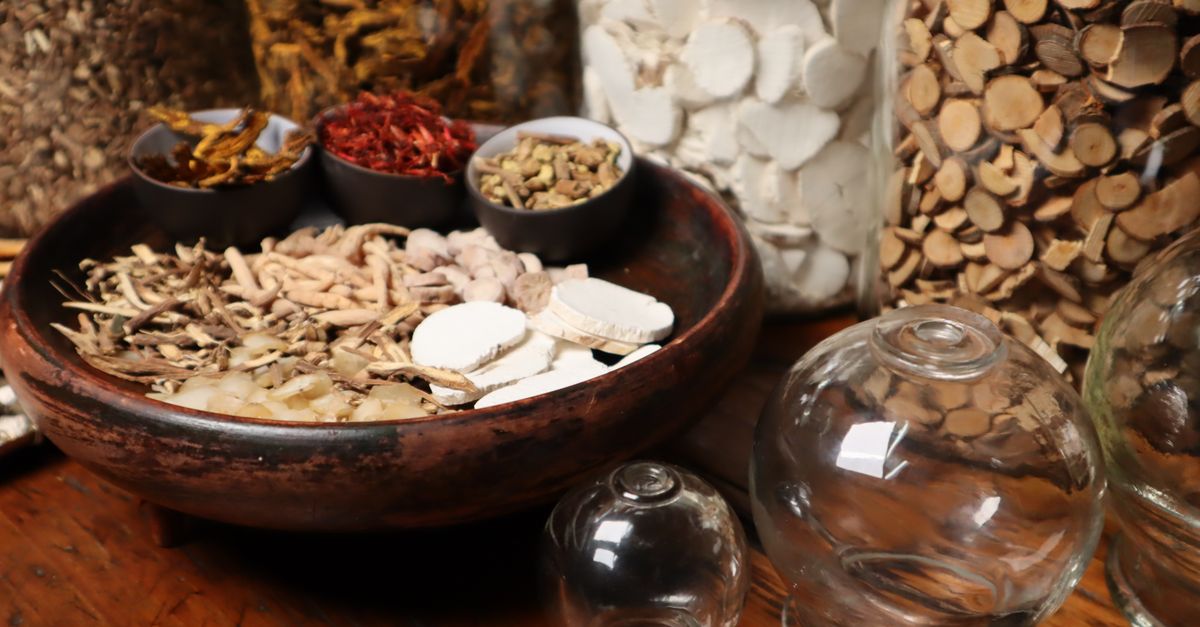
TCM for Seasonal Allergies: Herbs, Acupressure Points, and Dietary Tips for Hay Fever Relief
Seasonal allergies turn spring blooms and autumn pollen into a season of sneezing, itchy eyes, and a nose that will not stop running. In the United States alone, allergic rhinitis — the medical name for hay fever — affects tens of millions of people every year, and it is one of the most common chronic conditions worldwide.
Traditional Chinese medicine (TCM) looks at this problem differently. Instead of blaming pollen, TCM traditionally views the allergic response as a sign that the body’s defenses need support. Pollen is the trigger in this framework; the focus is supporting the systems traditionally associated with resilience to seasonal wind and pollen.
This guide explains how TCM understands seasonal allergies, which herbal formulas target which pattern, the four acupressure points that offer the fastest relief, and the foods that calm — or fuel — your symptoms.
How TCM Understands Seasonal Allergies
In TCM, the nose is the “opening” of the Lung system, and the skin and airways are guarded by a layer of protective energy called wei qi (defensive qi). When wei qi is strong, it repels wind, pollen, and other external factors before they cause trouble. When it is weak, these factors slip in through the nose and throat — and the result is the sneezing and congestion of hay fever.
TCM groups most allergy attacks into two patterns, depending on how the symptoms present:
| Pattern | Typical symptoms | Tongue & pulse clues | Treatment goal |
|---|---|---|---|
| Wind-heat | Itchy, red, watery eyes; sneezing; nasal discharge that is clear or slightly yellow; scratchy throat; mild thirst | Red tip of tongue, thin yellow coating; floating, rapid pulse | Disperse wind, clear heat, unblock the nose |
| Wind-cold | Profuse, thin, clear nasal discharge; sneezing worse in cold air; chilliness; aversion to drafts; no thirst | Pale tongue, thin white coating; floating, tight pulse | Disperse wind, warm the Lung, stop the discharge |
Both patterns share one feature: an invasion of wind entering through the nose. Many allergy sufferers also carry a deeper weakness called Lung-Spleen qi deficiency. The Spleen produces the qi that feeds wei qi, and the Lung spreads it to the surface. When both are depleted, the body overreacts to harmless pollen — which is why some people sneeze for months while others never notice the season.
Herbal Formulas That Target the Patterns
Herbal formulas are prescribed by trained practitioners based on your pattern — the same person with the same pollen allergy can need very different herbs in different seasons. Three classical formulas appear again and again in allergy clinics.
Cang Er Zi San (Xanthium Powder)
Cang Er Zi San is the classic formula for a blocked, congested nose. It combines Xanthium fruit (cang er zi), Magnolia flower bud (xin yi hua), Angelica dahurica root (bai zhi), and mint (bo he). Its job is to disperse wind, dry dampness, and open the nasal passages, making it most useful when congestion is the dominant symptom.
Because Xanthium fruit can be toxic in large doses, this formula is always used in small, prepared amounts under professional guidance. It is not a tea you improvise at home.
Xin Yi San (Magnolia Flower Powder)
Xin Yi San is built around the magnolia flower bud, a classic herb for sinus congestion and the headache that often comes with hay fever. It adds Angelica dahurica and Sichuan lovage (chuan xiong) to move qi in the head and face, so it suits the person whose nose is stuffy, forehead feels heavy, and eyes water constantly.
Yu Ping Feng San (Jade Windscreen Powder)
Yu Ping Feng San is different: it is traditionally used as a preventive formula. Made of Astragalus root (huang qi), Atractylodes (bai zhu), and Saposhnikovia (fang feng), it is traditionally associated with supporting wei qi. Practitioners may prescribe it during allergy season for people with a history of frequent colds, fatigue, poor appetite, and pale complexion — the classic Lung-Spleen qi deficiency profile.
Clinical research has examined these herbs and acupuncture for allergic rhinitis, with some studies reporting meaningful symptom relief. The National Center for Complementary and Integrative Health notes that acupuncture may help some people with allergic rhinitis, and PubMed lists a growing body of studies on the topic. Results vary, which is exactly why a practitioner should match the formula to your pattern rather than you buying a random herbal blend online.
Acupressure Points for Hay Fever Relief
Acupressure applies firm finger pressure to the same points acupuncture uses. It is free, safe, and works within minutes — ideal for the moment a sneeze-fit starts. Use your index or middle fingertips, press until you feel a firm, pleasant ache, and hold or make small circles for one to two minutes per point.
| Point | Location | What it helps |
|---|---|---|
| LI20 (Yingxiang) | In the nasolabial groove, beside the widest part of each nostril | The go-to point for nasal congestion, sneezing, and a runny nose |
| GB20 (Fengchi) | In the hollows at the base of the skull, between the neck muscles | Calms wind, eases headaches and eye strain from allergies |
| LU7 (Lieque) | On the inner forearm, about 1.5 finger-widths above the wrist crease, along the thumb side | The master point for the head and neck; opens the nose and supports the Lungs |
| Yintang | Midway between the eyebrows, in the small depression | Calms the mind, relieves itchy, pressured eyes and frontal sinus pressure |
For a full routine, press Yintang and both LI20 points on waking, then finish with both GB20 points. Two minutes each is plenty, and you can repeat the routine whenever symptoms flare.
Dietary Tips: Foods That Help and Foods That Hurt
In TCM, the Spleen dislikes dampness, and dampness turns into phlegm that clogs the nose. During allergy season, the smartest dietary move is to reduce damp- and phlegm-producing foods and increase foods that moisten the Lungs and support wei qi.
Cut back on: dairy (milk, cheese, yogurt), fried and greasy foods, refined sugar and sweets, cold drinks, and excessive alcohol. These are the classic phlegm generators in TCM — and many allergy sufferers notice their morning congestion improves within days of reducing dairy.
Eat more of these three:
- Pear — sweet and moist, pear is the classic Lung-moistening fruit. It soothes a dry, itchy throat and watery eyes. Steamed pear with a little honey is a traditional remedy for allergy season.
- Loquat — this golden fruit clears Lung heat and transforms phlegm, which makes it useful when your nose and throat feel hot and congested. Loquat leaf syrup is a well-known TCM preparation.
- White fungus (tremella) — the vegetarian stand-in for bird’s nest, white fungus moistens the Lungs, nourishes fluids, and gently supports wei qi. A bowl of white fungus soup with goji berries and pear is a simple, soothing autumn staple.
Warm, lightly cooked meals suit the Spleen far better than raw salads and ice water, especially during a pollen flare.
Seasonal Advice for the Late Summer to Early Autumn Transition
Late summer and early autumn are the tricky months in TCM. Late summer carries lingering dampness — the Spleen’s season — while early autumn brings the first dryness, which attacks the Lungs. For the allergy sufferer, this means a double burden: dampness feeds phlegm, and dryness irritates already-sensitive airways.
Three practical adjustments for this window:
- Keep meals warm and regular; favor steamed and souped dishes over raw or cold ones.
- Add a few Lung-moistening items each day — a pear, a bowl of white fungus soup, or a cup of chrysanthemum tea.
- Avoid heavy late-night meals, which overtax the Spleen and leave you waking congested.
Lifestyle: Nasal Irrigation and a Morning Routine
Nasal irrigation from a TCM perspective. Saline nasal rinses have solid support in MedlinePlus for washing out allergens. TCM thinking adds three rules: use lukewarm water, never cold — cold directly injures Lung yang; rinse gently without forcing water into the ears; and follow the rinse with a few slow, deep breaths to let the nasal passages settle. Done this way, irrigation reduces the pollen load while respecting the Lungs’ dislike of cold.
A wei qi-building morning routine. How you start the day shapes how well your defenses hold:
- Wake at a consistent time and sit up slowly rather than leaping out of bed.
- Drink a glass of warm water before anything cold.
- Spend two minutes on the acupressure routine above (Yintang, LI20, GB20).
- Do ten slow, deep belly breaths — or a few minutes of qigong-style movement — to move qi to the surface before you step outside.
- Eat a warm breakfast within an hour of waking, because the Spleen works best on a regular schedule.
When to See a Practitioner
Herbs like Xanthium fruit are powerful enough to require professional dosing, and choosing between a wind-heat and wind-cold formula is not always obvious. If your symptoms last more than a few weeks, if you take other medications, or if you simply want a formula tailored to your constitution, consult a licensed TCM practitioner. They can confirm your pattern — wind-heat, wind-cold, or Lung-Spleen deficiency — and build a treatment plan that combines herbs, acupuncture, and diet for lasting relief.
Health & Safety Notes
- This content is educational wellness information, not medical advice or diagnosis.
- Suitable for: general adult self-care reference.
- Consult a qualified practitioner before use if you are pregnant, nursing, have a chronic condition, take medication, or treat children.
- Red flags — seek medical care if: symptoms are severe, worsening, or persistent; sudden or unexplained pain; fever; numbness/weakness.
- Information reviewed: 2026-09. Sources: traditional Chinese medicine references and general wellness literature.