TCM for Peripheral Neuropathy: Ma Mu (Numbness and Tingling), Collateral Stasis, Nerve Protection, and Evidence-Based Care (2026 Guide)
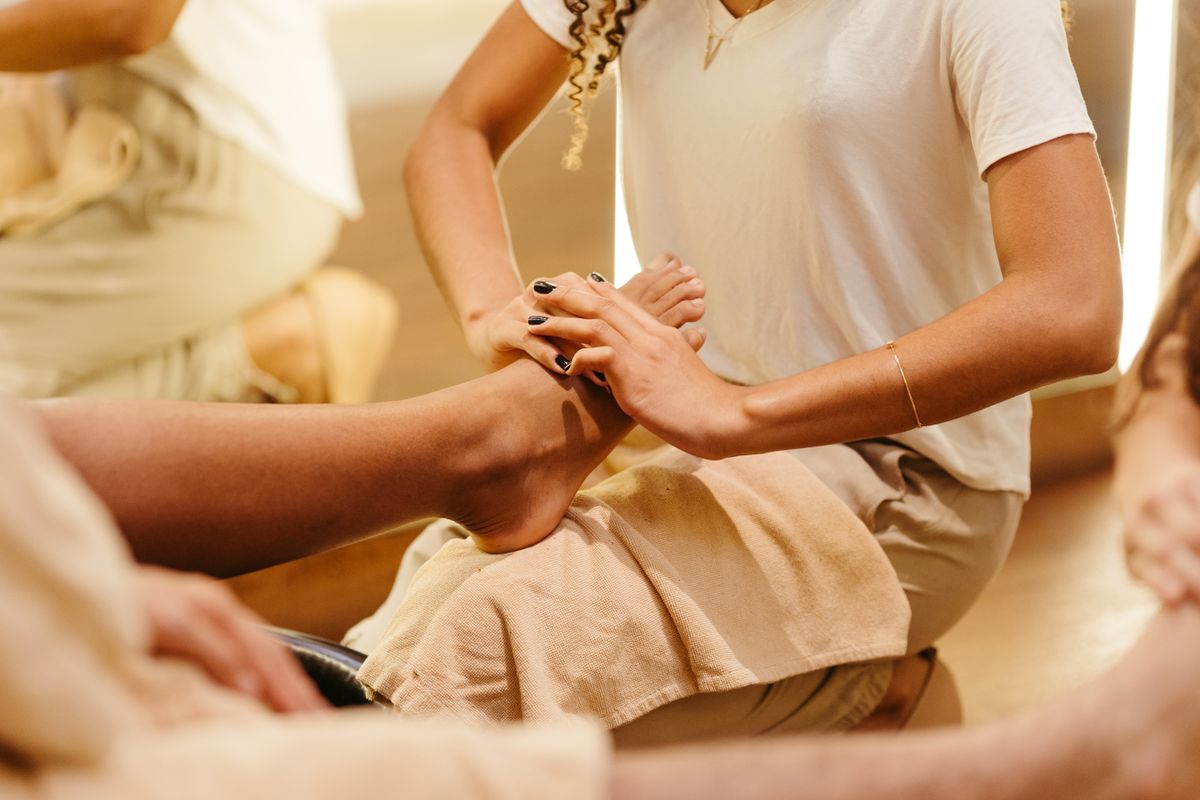
Cover image source: Pexels (photo by Jonathan Borba)
🌿 A gentle note from us
The practices shared here are rooted in Traditional Chinese Medicine traditions that have been passed down for thousands of years. We share them as educational resources — not as prescriptions or medical advice.
Every body is different. What brings balance to one person may not be right for another. Please listen to your body, go gently, and check with a qualified healthcare provider before trying any new wellness practice — especially if you are pregnant, managing a chronic condition, or have specific health concerns.
Some links on this site are affiliate links. If you choose to purchase through them, we may earn a small commission at no extra cost to you. This helps us continue sharing ancient wisdom for modern wellness. Thank you for your trust.
When your feet hurt, buzz, or seem to disappear
Peripheral neuropathy can feel contradictory: burning soles that are also numb, electric shocks through the toes, or pins and needles in fingers that struggle with buttons. Some people describe “dead numbness,” as if they are walking on thick padding. Symptoms often follow a stocking-and-glove distribution, beginning in the toes and feet and sometimes reaching the hands as a length-dependent neuropathy progresses. Other nerve disorders affect one limb, one nerve, or an irregular area.
These sensations deserve attention even when they are painless. Peripheral nerves carry messages for sensation, movement, and automatic functions. Damage can affect balance and strength as well as comfort. The NINDS peripheral neuropathy fact sheet explains why neuropathy is a family of disorders rather than a single diagnosis.
Traditional Chinese Medicine (TCM) describes numbness and tingling through concepts including Ma Mu (麻木) and impaired nourishment or obstruction of the collaterals. These ideas can support an individualized conversation about symptoms. They do not identify the biomedical cause or establish that a treatment repairs nerves. The safest approach combines medical investigation, protection from injury, treatment of the cause, and carefully selected supportive care.
Medical causes: finding the cause is a necessary first step
A person with diabetes can also have vitamin deficiency, a compressed nerve, or another neurological condition. Do not assume every new symptom has the same cause as an existing diagnosis. Persistent, recurrent, or progressive numbness needs a medical assessment before it is treated as a wellness concern.
Important causes include:
- Diabetic peripheral neuropathy (DPN): Long-term metabolic injury can damage peripheral nerves. Individualized glucose management and cardiovascular risk management remain central to care. The American Diabetes Association’s neuropathy guidance emphasizes prevention and management through diabetes care; symptom relief from acupuncture does not replace it.
- Chemotherapy-induced peripheral neuropathy (CIPN): Certain cancer treatments can injure nerves. Report new numbness, pain, falls, or difficulty using the hands to the oncology team promptly. Treatment changes require oncology supervision.
- Vitamin B12 deficiency: A treatable contributor that warrants testing, particularly with dietary restriction, malabsorption, gastrointestinal surgery, or relevant medication use.
- Thyroid dysfunction: Hypothyroidism is one possible contributor and should be considered in the clinical evaluation.
- Alcohol-related neuropathy: Alcohol toxicity and poor nutrition may coexist. Treatment needs to address both; people with alcohol dependence should seek medical help for safe withdrawal.
- Autoimmune small fiber neuropathy: Immune-mediated disease can affect fibers responsible for pain, temperature, and autonomic function. This is one possible cause of small fiber neuropathy, not an explanation for every case. Kidney disease, inherited conditions, toxins, and excessive vitamin B6 also enter the differential diagnosis. NINDS discusses these causes and risk factors.
What the medical workup should cover
Bring a symptom timeline and a complete list of medicines, supplements, alcohol exposure, and cancer treatments. Examination should assess strength, reflexes, gait, sensation, skin integrity, and foot circulation. A clinician may test protective sensation with a monofilament and vibration with a tuning fork.
For suspected distal symmetric polyneuropathy, discuss:
| Test | Why it matters |
|---|---|
| HbA1c and/or fasting glucose | Assesses diabetes or glucose dysregulation; selected patients need an oral glucose tolerance test. |
| Vitamin B12, with methylmalonic acid (MMA) when indicated | Helps investigate deficiency, including borderline B12 results. MMA requires interpretation in the context of kidney function. |
| Thyroid-stimulating hormone (TSH) | Screens for thyroid dysfunction. |
| Serum protein electrophoresis (SPEP) with immunofixation | Looks for abnormal monoclonal proteins associated with some neuropathies. |
| Complete blood count and metabolic panel | Evaluates additional clues, including kidney or liver disease. |
These tests reflect the American Academy of Neurology’s diagnostic guidance and the American Academy of Family Physicians’ evaluation recommendations. The exact panel depends on the presentation; indiscriminate autoimmune testing is not a substitute for a focused examination.
Nerve conduction studies and electromyography may help when symptoms are asymmetric, rapidly progressive, predominantly motor, or unexplained after initial assessment. Normal routine nerve conduction results do not exclude small fiber neuropathy. Selected patients need specialist skin biopsy or autonomic testing. The AAFP diagnostic review explains these distinctions.
Investigating the root cause is medically necessary because some causes are treatable and delayed treatment can permit further injury. Sometimes a careful evaluation still finds no cause; continued follow-up remains valuable.
Red flags: when to seek urgent care
Do not wait for an acupuncture appointment when neurological function changes abruptly.
- Sudden foot drop: New inability to lift the front of the foot needs urgent same-day assessment. Sudden accompanying facial droop, speech difficulty, or one-sided weakness requires emergency services immediately.
- Rapidly ascending weakness: Weakness spreading from the feet upward, especially with difficulty walking, swallowing, or breathing, requires emergency assessment. Guillain–Barré syndrome is one possible cause.
- New bowel or bladder dysfunction: Difficulty starting urination, urinary retention, new incontinence, or loss of bowel control—especially with saddle-area numbness or back and leg symptoms—can signal cauda equina compression. Go to an emergency department. NHS cauda equina guidance describes this spinal emergency.
- A foot ulcer or suspected cellulitis: An open or non-healing sore, spreading redness, swelling, warmth, or drainage needs prompt assessment, ideally the same day in a person with diabetes or reduced sensation. Fever, rapidly spreading infection, blackened tissue, or feeling seriously unwell requires emergency care.
A newly hot, swollen foot can also represent acute Charcot neuroarthropathy even when pain is mild. Stop unnecessary weight-bearing and obtain urgent foot-specialist assessment. Reduced pain does not make infection, fracture, or tissue injury harmless.
Critical safety rule: numb feet cannot reliably judge heat
An insensate foot may burn without sending a useful warning. Pain and temperature sensation can be impaired even when some touch remains. Never test water with a numb foot, and do not rely on your hand if your hands are also affected.
For brief washing, use an external bath thermometer and keep the water below 37°C. Because 37°C equals 98.6°F, a conservative practical target is below 98°F, approximately 36.7°C, satisfying both limits. Mix the water before measuring and before the foot enters it. This is a conservative precaution, not a guarantee against injury.
Never apply boiling water, heating pads, hot-water bottles, heated stones, or moxibustion to numb feet. Do not use hot soaks. A thermometer reading does not make a heating device safe: sustained contact can still injure vulnerable skin. The NIDDK foot-care guidance specifically advises avoiding heating pads and hot-water bottles.
Wash briefly, dry gently, and inspect the skin. For diabetic feet, the CDC recommends washing rather than soaking. Prolonged soaking can damage the skin barrier. Our herbal foot soak guide provides general background, but its routines should not be applied to numb feet without individualized clinical advice. Herbs do not remove thermal danger.
Every day, use a mirror to inspect the soles, heels, toe tips, and spaces between toes for cuts, blisters, discoloration, and swelling. Ask someone to help if vision or mobility makes inspection difficult. Warmth from loose socks and a comfortable room is safer than direct heat.
Ma Mu and collateral stasis: understanding the TCM framework
Ma Mu (麻木) combines descriptions that overlap but are not identical:
- Ma (麻) emphasizes tingling, buzzing, prickling, or an altered sensation resembling an extremity that has “fallen asleep.” Traditional explanations may include Qi deficiency or wind disturbing normal function.
- Mu (木) emphasizes reduced feeling or a wood-like lack of sensation. Traditional interpretations may involve inadequate nourishment, Blood stasis, phlegm-damp accumulation, or deeper collateral obstruction.
These associations are teaching concepts, not a diagnostic formula. Tingling does not prove Qi deficiency, and complete numbness does not prove Blood stasis. Both sensations can occur together in the same biomedical disease.
Xue Bi (血痹), often translated as blood impediment, belongs to the broader historical language of Bi syndromes, in which movement or nourishment is described as impeded. The Luo collaterals are the smaller branches of the traditional channel network. Descriptions of impaired circulation through them express a TCM model; they are not measurements of capillary blood flow, and “Blood stasis” does not establish a clot or blocked artery. China Medical University Hospital’s discussion of chemotherapy-related numbness illustrates this traditional interpretation of impaired channel nourishment.
Patterns a qualified practitioner may consider
Spleen and Kidney Yang deficiency may be considered when cold limbs occur with a broader pattern of low vitality and other findings. These capitalized organ names describe TCM functional systems, not a diagnosis of anatomical spleen or kidney failure. Cold feet also require consideration of vascular disease and hypothyroidism; a traditional warming strategy must never override burn precautions.
Qi and Blood deficiency describes inadequate nourishment within the traditional model, sometimes associated with fatigue, pallor, and diffuse altered sensation. It is not synonymous with anemia or B12 deficiency, which require appropriate testing.
Blood Stasis obstructing the collaterals may describe persistent, localized aching and numbness. Phlegm-damp obstruction may be considered with heaviness or other associated findings. A TCM professional discussion of diabetic neuropathy patterns presents these as traditional pathophysiological concepts.
Pattern differentiation may guide a practitioner’s approach, but it cannot replace glucose testing, neurological examination, or assessment of arterial circulation.
Gentle acupressure: point locations and realistic expectations
Acupressure uses surface touch; acupuncture uses inserted needles. Results from acupuncture trials cannot simply be transferred to self-massage. There is insufficient robust evidence that the following home routine restores protective sensation, increases distal circulation meaningfully, or prevents ulcers.
Have a clinician confirm that the skin and circulation are suitable before working on a numb limb. Use a soft finger pad and light contact only. Never increase pressure because you cannot feel it. Avoid broken skin, fungal infection, swelling, ulcers, bruises, and inflamed areas. Skip local massage when there is suspected thrombosis, severe arterial disease, or an unexplained hot or swollen foot.
| Point | Location for orientation | Traditional rationale and precautions |
|---|---|---|
| Bafeng (EX-LE10) | Four points on the top of each foot near the web margins between adjacent toes; eight in total. | Traditionally used for local foot symptoms. Touch only intact, dry skin; do not pinch or force apart the toes. |
| Baxie (EX-UE9) | Four points on the back of each hand near the web margins between fingers, including the thumb–index web; eight in total. | Traditionally selected for hand symptoms. Avoid squeezing fragile web skin or irritated joints. |
| ST36 (Zusanli) | On the front-outer lower leg, three proportional cun below ST35 near the outer hollow below the kneecap, about one fingerbreadth lateral to the tibial crest. | Traditionally tonifies post-heaven Qi, associated with nourishment from food, and supports Qi and Blood movement. This is not proof of systemic vascular improvement. |
| SP6 (Sanyinjiao) | On the inner lower leg, three proportional cun above the inner ankle prominence, just behind the tibial border. | Traditionally the meeting point of the Spleen, Liver, and Kidney channels. During pregnancy, avoid self-stimulation unless approved by the maternity team and an appropriately trained practitioner. |
| GB34 (Yanglingquan) | In the depression just in front of and below the fibular head on the outer upper calf. | Traditionally the influential point of sinews and tendons. Avoid deep pressure near the fibular neck, where the common fibular nerve is vulnerable. |
| LR3 (Taichong) | On the top of the foot between the first and second metatarsals, in the depression before their bases meet. | Traditionally used to encourage smooth Qi and Blood movement. Avoid forceful rubbing over vessels, tendons, or numb skin. |
A cun is a proportional body measurement, not a fixed inch. The WHO standard acupuncture point locations provide anatomical definitions for the regular channel points; a practitioner can demonstrate them on your own body.
For a cautious introduction, sit securely and inspect the area first. Rest a finger pad lightly on one or two suitable locations for a few slow breaths, then release. Recheck the skin afterward. No validated home dose exists for neuropathy, and more pressure or longer sessions are not established as better. Stop for increased tingling, pain, bruising, redness that persists, or any skin change. Our acupressure daily routines guide offers general structure; neuropathy-specific precautions take priority.
Do not needle yourself, use electrical stimulation on numb skin without clinical direction, or add heat to intensify the effect.
What modern clinical research actually shows
Diabetic peripheral neuropathy: promising signals, limited certainty
Research commonly measures nerve conduction velocity (NCV), the speed of electrical signaling in tested nerves, and clinical scales such as the Toronto Clinical Neuropathy Score (TCNS), which combines symptoms and examination findings. Different studies use different scales. A better score does not automatically demonstrate nerve regeneration, and a change in NCV does not establish fewer ulcers or falls.
The 2021 overview of systematic reviews, PMC8247887, included 18 reviews. Many reported improvements in symptoms or nerve conduction with acupuncture, but all 18 had extremely low methodological quality by AMSTAR2 assessment. Variation in treatment techniques, comparison groups, outcome definitions, and study reporting weakens confidence in the pooled findings. Overlapping reviews also should not be counted as independent confirmations.
The ACUDPN neurological-outcomes paper, PMC10784801, is a randomized trial report, not a meta-analysis. It included 62 participants and found improvements in symptom and neurological examination scores compared with a waiting group. However, it found no significant between-group improvement in the measured sural nerve conduction velocity or amplitude at the main comparison time points. Its examination measures included the Neuropathy Symptom Score and Neuropathy Deficit Score, rather than TCNS. The waiting-list design and small sample limit causal certainty.
The distinction matters: a treatment may help how someone feels or functions without demonstrating structural nerve repair. These findings justify further research and individualized discussion, not a promise to reverse diabetic neuropathy.
Chemotherapy-induced peripheral neuropathy: trials and guidelines
In the influential Molassiotis and colleagues randomized trial, PMC6434440, 87 participants were assigned to acupuncture twice weekly for eight weeks or a standard-care waiting-list group. Pain, clinical neurological assessment, and some quality-of-life outcomes improved at eight weeks. Assessors were blinded, but participants did not receive a sham comparison, so expectations and treatment attention could have contributed.
A separate 2020 pilot trial comparing real acupuncture, sham acupuncture, and usual care enrolled 75 participants and reported encouraging symptom findings. Its size and follow-up still limit conclusions about durable benefit and nerve repair. Such trials support cautious interest, while leaving questions about which patients benefit and the optimal treatment schedule.
The NCCN patient guideline on survivorship-related late and long-term effects, in its 2024 edition, lists acupuncture among non-drug options for neuropathic pain. That inclusion is not proof that acupuncture prevents CIPN or restores nerves. Broad pain-management listings should also never override precautions against heat on insensate skin.
The ASCO 2020 CIPN guideline update found the acupuncture evidence insufficient for a recommendation outside clinical trials. It identified duloxetine as the only medication with appropriate supporting evidence for established painful CIPN, while recognizing its limited benefit. It also advises clinicians to consider chemotherapy delay, reduction, substitution, or cessation when neuropathy is intolerable or impairs function. Those decisions belong with the treating oncology team.
The later 2022 Society for Integrative Oncology–ASCO pain guideline allows acupuncture to be offered for CIPN, with low-quality evidence and a weak recommendation. It also permits consideration of reflexology or acupressure on limited evidence; this does not validate the specific home point routine above or override skin-safety precautions. Thus, the earlier 2020 position should not be read as the only subsequent ASCO-related guidance.
Guideline scope, publication dates, and evidence thresholds differ. Discuss the current applicable recommendations with your cancer team rather than interpreting any mention of acupuncture as a universal endorsement.
Choosing adjunctive care responsibly
If acupuncture is appropriate, use a licensed or locally regulated practitioner who communicates with your medical team and uses sterile, single-use needles. Disclose anticoagulants, pregnancy, immune suppression, low blood counts, and wounds. People receiving chemotherapy need oncology input on timing and safety.
Set concrete goals such as better sleep, less pain interference, or easier walking, and reassess after an agreed course. Continue protective foot care even if symptoms improve. The NCCIH overview of TCM discusses both evidence limitations and safety concerns. Acupuncture remains supportive; it cannot replace glycemic management, treatment of B12 deficiency, or necessary chemotherapy adjustments.
Daily care that protects nerves and skin
Make inspection a routine. Check both feet daily in good light, including the soles with a mirror. Inspect inside shoes for stones, rough seams, or folded insoles before putting them on. Use comfortable, non-binding socks and well-fitting shoes with adequate toe room. Avoid barefoot walking, including indoors. Moisturize dry skin, but keep spaces between toes dry. The CDC foot-care checklist is a useful starting point.
Arrange professional foot care when needed. Poor vision, reduced sensation, thick nails, deformity, or previous ulcers may make self-treatment unsafe. Do not cut calluses or use chemical corn removers. Ask about footwear, pressure relief, and the frequency of professional checks. International diabetic-foot guidance emphasizes risk-based prevention and prompt management of skin injury.
Move gently and consistently. Seated ankle pumps, comfortable ankle circles, and gentle toe movements can maintain mobility. Walking and balance exercises should match your sensation, strength, and skin condition. A physiotherapist can adapt exercise if you have falls or foot drop. Avoid loading an active ulcer unless your foot-care team specifies a safe plan. NIDDK recommends appropriate activity and simple ankle and toe movements.
Use food as nourishment. A warm soup with vegetables, tofu, fish, or beans can fit a balanced eating plan. Choose adequate protein, fiber-rich foods, and carbohydrate portions appropriate for diabetes; match fluid, potassium, and protein intake to any kidney-related restrictions. In TCM, cooked meals may be described as supporting the Spleen, but no particular soup or “warming” ingredient has been shown to regenerate peripheral nerves. Food temperature is a comfort preference, not a neuropathy treatment.
Avoid high-dose “nerve health” supplements without a clear indication. Excess B6 can itself cause neuropathy. Discuss herbal formulas and concentrated extracts with your clinician and pharmacist, especially during cancer treatment. NCCIH’s herb–drug interaction guidance explains why natural products still require medication review.
Frequently asked questions
1. Can TCM cure peripheral neuropathy or regrow damaged nerves?
No dependable evidence supports a general cure claim. Recovery depends on the cause, severity, and duration of injury. Acupuncture may help selected symptoms, but improvement in pain is not evidence that protective sensation has returned. Continue medical follow-up and injury prevention.
2. Are herbal foot baths safe if the water feels comfortable?
Feeling comfortable is not a reliable safety test when temperature sensation is reduced. Avoid hot soaks and direct heating devices. Use brief washing with thermometer-checked lukewarm water below the conservative limits above. People with diabetes should generally avoid soaking; wounds or infection require individualized care.
3. Which acupressure point is best for numb toes?
There is no established best point or proven home protocol. Bafeng is traditionally selected for local foot symptoms, but local pressure may be unsuitable when protective sensation is poor. Get the foot assessed first, use only light touch on healthy skin if cleared, and do not treat absent sensation as a reason to press harder.
4. How long should I try acupuncture before deciding whether it helps?
Some cited trials used eight-week courses, but that does not establish a universal prescription. Agree on a limited trial with your clinicians, track sleep, pain interference, walking confidence, and adverse effects, and reassess benefit against cost and burden. Worsening numbness or weakness needs medical review without waiting for the course to finish.
5. Should I take B12 or stop chemotherapy when tingling starts?
Report symptoms and seek an individualized plan. B12 supplementation is important when deficiency is present, but unnecessary supplements are not a substitute for diagnosis. Never stop or alter chemotherapy yourself. Your oncology team weighs neuropathy severity, functional impact, and cancer-treatment benefit when making adjustments.
Summary and action checklist
TCM offers a traditional language for Ma Mu and possible adjunctive approaches to symptom relief. Effective nerve protection starts with finding treatable causes and preventing injuries that numb skin cannot reliably announce.
- Arrange assessment for persistent or progressive numbness; discuss HbA1c or glucose, B12/MMA, TSH, and SPEP with immunofixation as appropriate.
- Seek urgent care for sudden foot drop, ascending weakness, new bowel or bladder dysfunction, or an infected or non-healing foot wound.
- Inspect both feet daily, using a mirror or another person’s help.
- Avoid direct heat and hot soaks; check washing water with an external thermometer.
- Keep pressure gentle, protect damaged skin, and obtain guidance before stimulating numb areas.
- Continue cause-specific treatment and consider acupuncture only as an adjunct with measurable goals.
A meaningful improvement may be sleeping better, walking more securely, or catching a blister before it becomes an ulcer. Those goals deserve careful, coordinated care without promises the evidence cannot support.