TCM Jet Lag Guide 2026: Body Clock, Acupressure, Herbal Teas, and a Realistic Long-Haul Reset
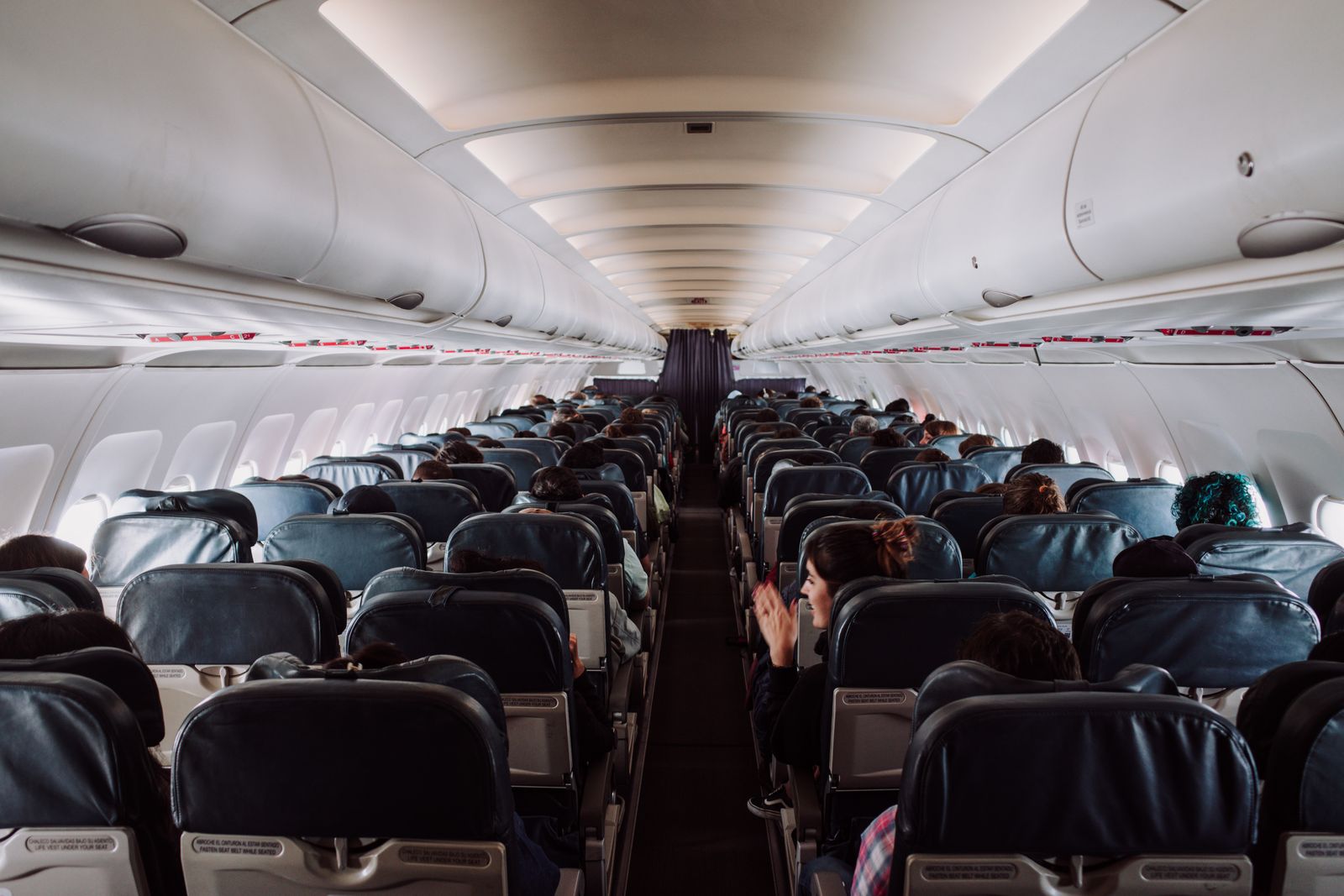
Cover image source: Pexels (photo by K)
🌿 A gentle note from us
The practices shared here are rooted in Traditional Chinese Medicine traditions that have been passed down for thousands of years. We share them as educational resources — not as prescriptions or medical advice.
Every body is different. What brings balance to one person may not be right for another. Please listen to your body, go gently, and check with a qualified healthcare provider before trying any new wellness practice — especially if you are pregnant, managing a chronic condition, or have specific health concerns.
Some links on this site are affiliate links. If you choose to purchase through them, we may earn a small commission at no extra cost to you. This helps us continue sharing ancient wisdom for modern wellness. Thank you for your trust.
You reach your hotel at breakfast time. Your stomach wants dinner, your eyes want darkness, and check-in is still hours away. A warm drink sounds inviting; another packed sightseeing day does not.
This week adds a calendar wrinkle. Most of Europe and the UK turned clocks back on Sunday, October 25, 2026. Most of the US and Canada follow on Sunday, November 1, according to Time and Date.
During October 25–November 1, Europe is on standard time while much of North America remains on daylight time. The gap depends on the cities: New York–London is temporarily four hours and New York–Paris five, rather than their usual five and six. Even without flying, overseas calls can shift your routine.
If your schedule has just changed with the clocks, a long-haul trip stacks another adjustment onto it. Start with light and sleep timing; use traditional Chinese medicine (TCM) practices for comfort, without expecting a cure.
What Jet Lag Actually Is
Jet lag is circadian desynchrony: your internal daily clock and destination time disagree. The CDC Yellow Book describes disturbed sleep, daytime sleepiness, impaired thinking, malaise, and digestive upset.
Eastward travel usually requires an advance: learning to sleep and wake earlier. Westward travel requires a delay: shifting those times later. The CDC estimates average adaptation at about 1 hour daily eastward and 1.5 hours westward. Westward is usually easier because the intrinsic human clock runs slightly longer than 24 hours. These are averages, not deadlines.
Where TCM Fits — and Where It Does Not
Zǐwǔ liúzhù (子午流注), the traditional “midnight–noon flow” or organ-clock framework, assigns functions to daily time windows. It is a traditional map, not a measured circadian mechanism. Our TCM body-clock guide explains that framework.
The useful overlap is routine, warmth, rest, and attention to digestion. No herb or pressure point has been shown to reset the circadian clock in jet lag. The sleep studies below do not establish that TCM cures or prevents jet lag disorder. Treat these practices as optional comforts around your travel schedule.
The 72-Hour Plan (Before, During, After)
Use this as a starting window, not a promise of full recovery. The sleep, light, and flight measures follow the CDC guidance.
Before: prepare your first destination night
- Where practical, begin moving sleep toward destination time over the preceding few days: earlier eastward, later westward.
- Write down your arrival time, intended bedtime, and meal times in destination time.
- Plan light exposure. Morning light after your biological night’s lowest point supports an eastward advance; evening light supports a westward delay. Local dawn is not automatically the right biological morning after a large jump. Seek an itinerary-specific plan when unsure.
During: use destination time
- Schedule meals, sleep, and light around destination time when feasible. You can decline a meal served during your planned sleep.
- Drink water regularly. Avoid excess alcohol; choosing none keeps the plan simple.
- Use an eye mask during planned sleep. Avoid long-half-life sedatives.
- Stop caffeine at least six hours before your planned bedtime as a practical starting cutoff. Its half-life is about five hours, so some remains afterward; choose an earlier cutoff if sensitive.
After: keep the first days manageable
- Get natural daylight, with morning light eastward or evening light westward only when appropriate to your biological timing.
- Keep daytime naps to 20–30 minutes, if needed for alertness; avoid long daytime sleeps.
- Eat on destination time and leave space between commitments. Choose a simple dinner and a repeatable bedtime routine.
Acupressure Routine for Travel Days
A 2018 systematic review reviewed 32 randomized trials; 13 trials involving 968 adults contributed to its Pittsburgh Sleep Quality Index (PSQI) analysis. Against sham pressure, seven trials with 385 participants found a 3.41-point lower score, favoring acupressure.
Participants and staff could not be blinded, and sleep was mostly self-reported, so benefits may be inflated. This is evidence about general sleep quality, not jet lag. HT7 appeared in most protocols; the review does not validate this four-point travel sequence.
For an optional traditional routine, find these landmarks:
- HT7, Shénmén (神門), “Spirit Gate”: Turn your palm up. At the little-finger end of the wrist crease, find the small hollow just toward the thumb from the firm tendon.
- PC6, Nèiguān (內關), “Inner Pass”: On the inner forearm, measure about three finger widths from the wrist crease toward the elbow. Find the space between the two central tendons.
- Yìntáng (印堂), “Hall of Impression”: Find the midpoint between the inner ends of your eyebrows. Use a light fingertip touch.
- ST36, Zúsānlǐ (足三里), “Leg Three Miles”: Start about four finger widths below the lower edge of the kneecap, then move one finger width outward from the shinbone into muscle. Traditionally included for digestion and leg heaviness, it is not a treatment for flight-related swelling.
Research protocols commonly used 3–5 kg of force (about 7–11 lb), 1–5 minutes per point, several times weekly over weeks. That is a study description, not a home pressure target, especially on the face. Try gentle, comfortable pressure for about one minute; stop for pain, tingling, or bruising. Avoid injured skin. Do not press or massage an unexplained swollen, painful leg.
Herbal Teas and a Traditional Sleep Seed
Suānzǎorén (酸棗仁), “sour jujube seed,” is Ziziphi Spinosae Semen. A systematic review included nine trials: 785 participants with insomnia disorder and 120 with sleep disturbance. Against placebo, the pooled standardized mean difference for subjective sleep quality was −0.58, favoring treatment. The conclusion concerns short-term, patient-reported improvement, not jet lag.
A separate feasibility trial enrolled only 12 participants. They received 2 g daily of encapsulated granules and placebo for four weeks each in a crossover design. Feasibility endpoints were met, and PSQI improved versus placebo. This small study cannot establish a travel treatment; its granule dose is not a tea recipe.
For comfort, consider a familiar chamomile or chrysanthemum infusion, or mild ginger tea if its taste appeals when you feel queasy. These are drink options, not proven jet-lag treatments. Choose ingredients you already tolerate, and check allergies and medication compatibility.
“Tea” does not mean “sedative.” A large volume just before sleeping on a night flight is counterproductive if it means repeated bathroom trips. Sip rather than forcing fluids.
Food and Digestion on Travel Days
TCM’s advice not to “overload the Spleen” refers to a traditional digestive function, not a diagnosis involving your anatomical spleen. Translate it into manageable choices: a small bowl of warm soup, cooked vegetables, rice, or another familiar meal.
Choose smaller portions instead of eating every offered tray. Go easy on alcohol; choose room-temperature drinks if very cold ones feel uncomfortable. Warmth is a preference here, not a demonstrated clock-resetting mechanism.
For this plan, airline meal timing matters more than finding a special menu. CDC guidance recommends aligning activities, including meals, with destination time. Pack a familiar snack if service timing will not fit.
Safety and Honest Limits
The CDC notes that 0.5–1 mg of melatonin is often sufficient for a circadian shift; doses above 5 mg are not recommended. Timing matters: mistimed melatonin can worsen misalignment. US melatonin products are not FDA-regulated like approved medicines, and label content may vary. Ask a clinician or pharmacist about timing and suitability.
Avoid long-half-life sedatives. Before using herbs, seek advice during pregnancy or breastfeeding and when taking sedatives, blood thinners, or diabetes medication. Do not assume a mixed herbal tea is harmless. This routine omits LI4; if you use that hand point elsewhere, avoid it during pregnancy without professional guidance.
As a practical safety threshold, arrange clinical review for insomnia persisting beyond two weeks, loud snoring with witnessed breathing pauses or gasping, or a marked mood collapse. Seek urgent help if you feel unsafe. Do not automatically attribute these problems to travel. This article is education, not medical advice.
A Realistic Timeline
For a six-hour shift, simple arithmetic using CDC averages gives six days eastward (6 ÷ 1) and four westward (6 ÷ 1.5).
- Day 1: Only about 1 hour eastward or 1.5 hours westward of adjustment in this simplified model. Keep expectations modest.
- Days 2–3: Approximately 2–3 hours eastward or 3–4.5 hours westward. Improvement need not mean complete alignment.
- Days 4–7: Westward adjustment may approach six hours around day four; eastward around day six. Individual recovery varies. These calculations describe clock adjustment, not guaranteed symptom relief.
Bottom Line
- Prioritize appropriately timed light and destination-time sleep.
- Align meals with local time; hydrate and limit alcohol.
- Keep naps short and caffeine away from bedtime.
- Use gentle acupressure and familiar warm drinks as optional comforts.
- Allow several days; do not expect an herb to reset your clock.
Keep reading
The best free reference for planning is the CDC Yellow Book jet lag chapter.