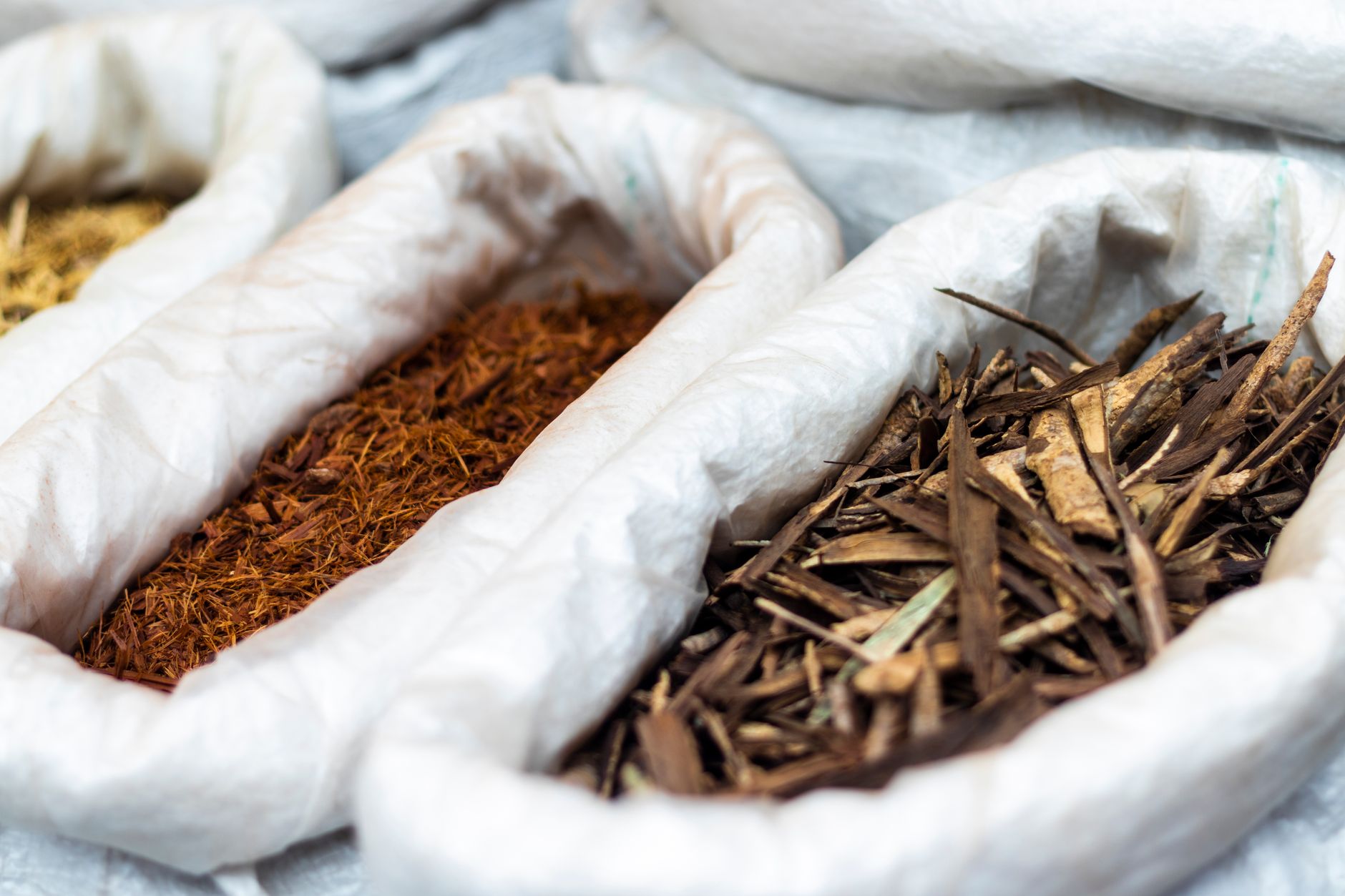
TCM for Immune Health: Ancient Herbs, Foods, and Daily Habits for Modern Wellness
Medical Disclaimer: This article is for informational and educational purposes only. It does not constitute medical advice and is not a substitute for professional medical consultation, diagnosis, or treatment. Always consult a qualified healthcare provider before incorporating herbs or supplements into your routine, especially if you are pregnant, nursing, taking medication, or have an existing health condition. Herbal products can interact with medications and may not be suitable for everyone.
Introduction
You know the feeling: that scratchy throat on Monday morning, the sluggishness that settles in when everyone around you is coming down with something, the nagging sense that your body’s defenses aren’t quite what they used to be. In modern terms, we call this “immune function.” In Traditional Chinese Medicine, it has a name that’s been used for over two thousand years: Wei Qi (衛氣), or defensive energy.
What’s fascinating is how practical and accessible TCM’s approach to immune health really is. You don’t need to memorize complex theories or stock a pharmacy of exotic ingredients. The core principles — eat seasonally, support your digestive fire, get enough rest, and use herbs strategically — translate remarkably well into modern daily life.
In this guide, we walk through the TCM framework for immune health, the herbs that have stood the test of time, the foods that support your body’s natural defenses, and simple daily practices you can start today.
Understanding Immunity in TCM: The Wei Qi Concept
Before diving into specific herbs and foods, it helps to understand how TCM thinks about immunity — because it’s quite different from the Western model of antibodies and white blood cells.
What Is Wei Qi?
In TCM, Wei Qi (defensive qi) is the protective energy that circulates at the surface of your body — between the skin and muscles. Think of it as an invisible shield. When your Wei Qi is strong, external pathogens (what TCM calls “evil qi” or xie qi) struggle to penetrate. When it’s weak, you’re vulnerable.
Wei Qi is produced and regulated by three organ systems:
| Organ System | Role in Immunity |
|---|---|
| Lungs (肺) | The Lungs govern the skin and body surface. They spread Wei Qi across your entire exterior. This is why TCM often addresses respiratory health as a first line of immune defense. |
| Spleen/Stomach (脾胃) | The Spleen extracts qi from food — this is the raw material for building Wei Qi. A weak digestive system means insufficient raw material, which means weaker immunity. |
| Kidneys (腎) | The Kidneys store your constitutional essence (jing), the deep reserve energy you’re born with. They provide the foundational support that makes strong Wei Qi possible over the long term. |
When all three systems are functioning well, your Wei Qi is robust. When any one is depleted — from poor diet, chronic stress, lack of sleep, or overwork — the shield weakens.
The Practical Takeaway
From a modern self-care perspective, this means:
- Support your digestion — eat warm, cooked foods that are easy to break down.
- Protect your lungs — breathe deeply, stay active, and avoid prolonged exposure to cold and wind.
- Conserve your deep energy — prioritize sleep, manage stress, and avoid burning out.
These aren’t fringe concepts. They align closely with what modern science tells us about the gut-immune connection, the effect of chronic stress on immune function, and the importance of sleep for immune regulation.
Top TCM Herbs for Immune Support
These are the herbs that appear again and again in TCM immune formulas. Each has centuries of traditional use and a growing body of modern research behind it.
1. Astragalus (Huang Qi / 黃芪)
Astragalus root is arguably the single most important TCM herb for daily immune support. It’s classified as a Qi tonic — meaning it strengthens your body’s overall energy, with a specific affinity for Wei Qi.
What the tradition says: Astragalus “consolidates the exterior,” meaning it reinforces that protective shield at your body’s surface. It’s considered suitable for long-term use and is often simmered into soups and broths during cold seasons.
How people use it today: Dried astragalus root slices can be added to soups, stews, and bone broths. It’s also available as a tincture, capsule, or powdered extract. A common approach: add 3–5 slices to your soup pot, simmer for at least 30 minutes, and remove before serving (the root itself is fibrous and not meant to be eaten directly).
Where to find it: Look for sliced astragalus root at Chinese herbal shops or online marketplaces. Quality indicators include a light yellow cross-section and a slightly sweet, earthy aroma.
2. Reishi Mushroom (Ling Zhi / 靈芝)
Reishi has been called the “mushroom of immortality” in Chinese tradition — a title that speaks to its reputation as a supreme tonic for overall vitality and longevity. In immune terms, reishi is classified as an adaptogen: it’s thought to help the body adapt to stress and modulate immune response rather than simply “boosting” it.
What the tradition says: Reishi “calms the spirit” (shen) and “tonifies qi.” It’s associated with both immune support and stress resilience — a combination that makes sense when you consider how chronic stress suppresses immune function.
How people use it today: Reishi is most commonly taken as a powdered extract, capsule, or tincture. The whole dried mushroom is very woody and bitter; modern preparations concentrate the active compounds (triterpenes and polysaccharides) into more convenient forms. Some people add reishi powder to coffee, hot chocolate, or smoothies.
3. Ginseng (Ren Shen / 人參)
Ginseng is perhaps the most famous TCM herb globally — and for good reason. It’s a powerful Qi tonic that’s traditionally used for deep fatigue, weakness, and recovery after illness. In immune terms, ginseng is considered a “source” herb: it strengthens the body’s fundamental capacity to generate Wei Qi.
Important distinction: There are different types of ginseng:
- Asian/Korean ginseng (Ren Shen): Warming, stimulating. Better for people who tend to feel cold and depleted.
- American ginseng (Xi Yang Shen): Cooling, more Yin-nourishing. Better for people with heat signs or those in warmer climates.
- Siberian ginseng (Ci Wu Jia): Not a true ginseng but an adaptogen with similar supportive properties. Generally milder.
How people use it today: Ginseng is available as whole dried root, sliced root for tea, capsules, extracts, and even as an ingredient in energy drinks. Traditional use favors a small daily dose over time rather than occasional high doses.
4. Goji Berry (Gou Qi Zi / 枸杞子)
Goji berries are one of the gentlest and most accessible TCM immune herbs. They’re classified as a Yin and Blood tonic — meaning they nourish the body’s deeper resources rather than providing a quick energy boost.
What the tradition says: Goji berries nourish the Liver and Kidney Yin and “brighten the eyes.” They’re considered safe for daily consumption and are used in soups, teas, and congee.
How people use it today: A small handful (about 10–15 grams) of dried goji berries can be added to oatmeal, trail mix, or steeped in hot water as a simple tea. They’re also common in herbal soup mixes. Goji berries are widely available at grocery stores, health food shops, and online.
5. Chinese Yam (Shan Yao / 山藥)
Chinese yam often goes unnoticed in Western discussions of TCM herbs, but it deserves attention. It’s a Spleen and Lung tonic — supporting both the digestive system (which produces the raw material for Wei Qi) and the respiratory system (which distributes it).
How people use it today: Fresh Chinese yam can be found at Asian grocery stores and cooked like a potato — sliced into stir-fries, soups, or steamed. Dried slices are used in herbal soups. It’s particularly gentle and suitable for people with sensitive digestion.
TCM Foods That Support Immune Health
Herbs are powerful, but in TCM philosophy, daily food is your first and most consistent medicine. Here are the categories of foods that support Wei Qi and overall immune function:
Warming Foods for the Cold Season
When the weather turns cold, TCM recommends foods with warming thermal properties to support circulation and surface-level defense:
- Ginger (fresh): A classic warming ingredient. Add slices to tea, soups, or stir-fries. Fresh ginger warms the Lungs and Stomach and is particularly helpful at the first sign of a chill.
- Garlic: Considered warm and pungent in TCM; supports Lung function and helps “expel external pathogens.”
- Scallions (green onions): The white part is used in classic TCM home remedies for early-stage cold symptoms. A simple scallion-ginger tea is a traditional go-to.
- Cinnamon (rou gui / 肉桂): Warms the body’s interior and supports circulation. A cinnamon stick in your morning oatmeal or tea is an easy daily addition.
- Black pepper: Another warming spice that supports digestive function — which in turn supports Wei Qi production.
Mushrooms for Deep Immune Support
Beyond reishi, several culinary mushrooms carry immune-supportive properties in TCM:
- Shiitake (Xiang Gu / 香菇): Supports the Stomach and is considered a Qi tonic. Rich in polysaccharides that have been studied for immune modulation.
- Maitake (Hui Shu Hua / 灰樹花): Another mushroom with adaptogenic properties. Cooked into soups and stir-fries.
- Wood Ear (Mu Er / 木耳): Supports the Lungs and is believed to help keep the respiratory system moist and healthy.
Bone Broth and Congee: The Foundation Foods
These two preparations are the backbone of TCM nutritional support:
Bone broth (often cooked with astragalus, ginger, and goji berries) provides easily assimilated minerals and gelatin that support the digestive system — the factory where Wei Qi is produced.
Congee (rice porridge, zhou / 粥) is the ultimate easily-digested food in TCM. A simple rice congee with a pinch of ginger and scallion is considered the ideal food for recovery, sensitive digestion, or anyone wanting to support their Spleen qi.
Daily TCM Habits for Strong Immunity
Herbs and foods matter, but daily habits create the foundation. Here are practical TCM-inspired practices that support immune health:
1. Protect Your Neck and Upper Back from Wind
In TCM, “wind” (feng) is considered a primary vehicle that carries external pathogens into the body. The back of the neck (feng chi / 風池 area) and the upper back are considered particularly vulnerable. This isn’t superstition — these areas have less muscle and fat coverage, and cold exposure can cause muscle tension that restricts local circulation.
Practical tip: Wear a scarf in windy or cold weather. After a shower, dry your hair and neck thoroughly before going outside. Avoid sitting directly under air conditioning vents.
2. Acupressure for Immune Support
Two points are especially relevant for daily immune maintenance:
ST36 (Zu San Li / 足三里) — Located four finger-widths below the kneecap, one finger-width to the outside of the shin bone. This is one of the most important points in TCM for building Qi and supporting overall vitality. Apply firm, steady pressure with your thumb for 1–2 minutes on each leg. You’ll know you’re on the right spot if you feel a slight ache or sensitivity.
LI4 (He Gu / 合谷) — Located in the webbing between your thumb and index finger. This point is used to support the body’s surface-level defenses and is traditionally stimulated at the first sign of a cold. Apply firm pressure for 1 minute on each hand. Note: Avoid this point during pregnancy.
3. Dry Brushing and Gua Sha for Surface Circulation
Because Wei Qi circulates at the body’s surface, anything that supports healthy skin and surface circulation can theoretically support immune function:
- Dry brushing: Use a natural bristle brush to gently brush your skin before showering, always moving toward the heart. This stimulates surface circulation and lymphatic flow.
- Gentle Gua Sha: Using a gua sha tool with light pressure (not the deep, bruising pressure used in clinical gua sha) can be used on the upper back and neck to encourage surface circulation. A body oil or lotion is essential as a lubricant.
4. Sleep According to the TCM Clock
TCM associates each two-hour block of the day with a specific organ system. For immune health, two windows matter most:
- 11 PM – 1 AM: Gallbladder time. This is when the body begins its deeper regenerative processes. Being asleep before 11 PM is ideal.
- 1 AM – 3 AM: Liver time. The Liver is thought to cleanse and regenerate during this window. Deep, uninterrupted sleep here supports overall vitality.
The practical takeaway: prioritize going to bed by 10:30–11 PM whenever possible. Consistent, adequate sleep is one of the strongest immune-supportive habits available — a fact confirmed by both TCM tradition and modern immunology.
Putting It Together: A Simple Daily Protocol
You don’t need to adopt everything at once. Here’s a minimal daily approach that covers the essentials:
Morning:
- A warm glass of water with a slice of fresh ginger (supports Stomach qi)
- 1 minute of ST36 acupressure on each leg
Throughout the day:
- Eat at least one warm meal (supports Spleen function)
- Add a handful of goji berries to your snack or tea
Evening:
- A bowl of soup or congee if digestion feels sluggish
- Dry brushing before your shower (2–3 minutes)
- Lights out by 11 PM
Seasonally (especially autumn and winter):
- Simmer astragalus root into soups and broths
- Consider a reishi supplement for ongoing support
- Wear a scarf and protect your neck from wind
Choosing Quality Herbal Products
If you choose to incorporate TCM herbs into your routine, quality matters. Here’s what to look for:
- Source transparency: Products that identify the origin of their herbs and test for contaminants (heavy metals, pesticides) are preferable.
- Proper identification: Chinese herbs can have lookalikes. Reputable suppliers use authenticated species.
- Processing method: For reishi and other mushrooms, look for hot-water extracts, which concentrate the immune-relevant polysaccharides.
- Form that works for your life: The best herb is the one you’ll actually use consistently. If you won’t simmer roots for hours, choose capsules or tinctures.
A Note on Balance
TCM’s approach to immune health isn’t about “boosting” your system into overdrive. It’s about balance and resilience. A well-functioning immune system isn’t one that’s constantly on high alert — it’s one that responds appropriately to genuine threats while remaining calm the rest of the time.
This is why TCM pairs immune herbs with lifestyle practices that reduce stress and support rest. The goal isn’t to become invincible. It’s to give your body the resources it needs to do what it already knows how to do: protect you.
This article is part of the TCM Wellness guide series. Browse our full collection of practical TCM self-care guides to discover more ways to integrate traditional wisdom into your modern wellness routine.