TCM for Irritable Bowel Syndrome (IBS): Liver Qi Stagnation, the Gut-Brain Axis, Acupressure Points, and What the Research Actually Shows (2026 Guide)
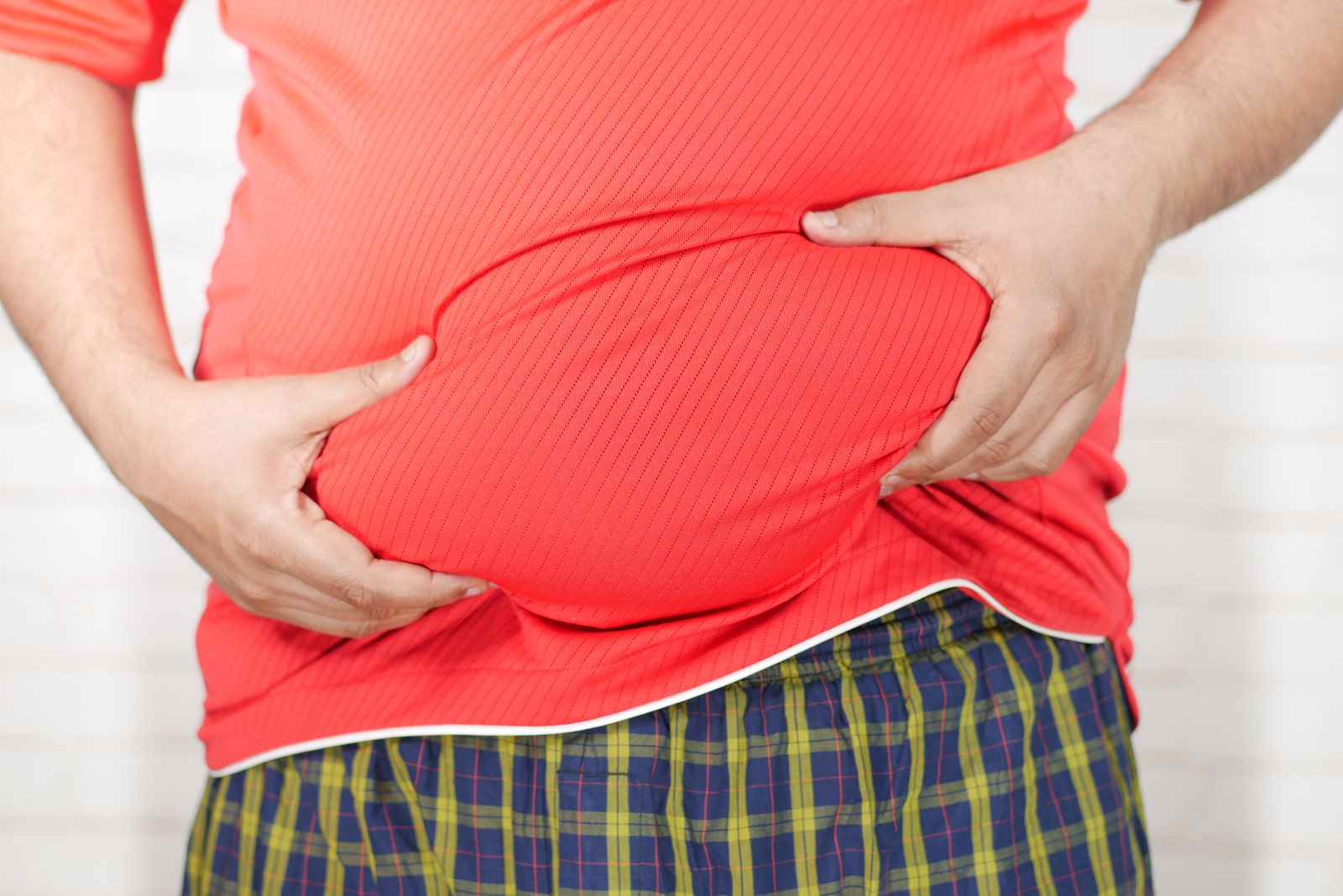
Cover image source: Pexels (photo by Towfiqu barbhuiya)
Irritable bowel syndrome (IBS) combines recurrent abdominal pain with altered bowel habits. It belongs to disorders of gut–brain interaction: symptoms occur without visible digestive-tract damage, yet involve more than an occasional upset stomach. The discomfort is real, even when routine investigations show no structural explanation. NIDDK overview.
Traditional Chinese medicine offers another vocabulary for discussing digestive symptoms and emotional strain. Its pattern descriptions deserve careful explanation, alongside a separate assessment of what clinical research supports.
Understanding irritable bowel syndrome and standard treatment
Rome IV requires abdominal pain averaging at least one day weekly during the preceding three months, with symptoms beginning at least six months before diagnosis. Pain must accompany at least two features: a relationship to defecation, altered stool frequency, or altered stool form. Defecation can improve or worsen pain. ACG guideline.
IBS-C describes constipation predominance, IBS-D diarrhea predominance, and IBS-M a mixed pattern. Anxiety and depression commonly coexist with IBS; recognizing the gut–brain connection does not make symptoms imaginary. The ACTION paper cites a global adult prevalence of 4.1%, an estimate that depends on the diagnostic definition used. ACTION trial.
Treatment starts with the person’s symptoms and bowel pattern. Soluble fiber can help, particularly with constipation, while sudden increases can aggravate gas. NIDDK recommends adding fiber gradually and describes a low-FODMAP approach as another dietary option. NIDDK dietary guidance.
FODMAPs are certain carbohydrates that can be difficult to digest. A dietary trial tests whether reducing them helps a particular person; it does not establish that every food containing them is unsuitable. NIDDK describes gradual reintroduction because some people tolerate foods that initially appear on restriction lists. Dietary guidance.
The 2021 ACG guideline supports a limited low-FODMAP trial through a conditional recommendation based on very-low-quality evidence. Work with a dietitian through restriction, reintroduction, and personalization: prolonged, overly restrictive eating risks nutritional inadequacy. The objective is an individually tolerable diet, with foods restored where possible. ACG guideline.
Medication options include rifaximin for IBS-D and chloride channel activators or guanylate cyclase activators for IBS-C. ACG also conditionally suggests peppermint for overall symptom relief, based on low-quality evidence, and suggests gut-directed psychotherapy. It recommends against antispasmodics currently available in the United States for global IBS symptoms; this statement has a specific scope and does not mean every antispasmodic everywhere has identical evidence. ACG guideline.
TCM patterns and the place of Tong Xie Yao Fang
Pattern differentiation groups symptoms, tongue findings, and pulse observations within traditional theory. Terms such as Liver and Spleen refer to TCM functional concepts; they are not laboratory or imaging diagnoses of those anatomical organs. Our Spleen and Stomach guide introduces this vocabulary.
Liver Qi Stagnation, or Gan Qi Yu Jie (肝氣鬱結), invading the Spleen describes Liver–Spleen disharmony. In the trial literature, the related Liver depression and Spleen deficiency pattern includes abdominal pain with diarrhea, worsening around emotional changes, fatigue, and a wiry pulse. The Tong Xie Yao Fang protocol also considers irritability, reduced appetite, and tongue findings. Pattern criteria.
Spleen Qi Deficiency includes loose stools, reduced appetite, and tiredness. Spleen–Kidney Yang Deficiency includes morning diarrhea, sometimes called dawn diarrhea, with sensitivity to cold and fatigue. Damp-Heat in the Large Intestine includes sticky, foul-smelling stools and burning around the anus. These descriptions appear in the acupressure trial’s pattern table; they do not establish the medical cause of an individual symptom.
The emotional component creates a point of comparison with gut–brain interaction, but the two frameworks are not interchangeable. An association between stress and diarrhea does not demonstrate Liver Qi Stagnation as a biological mechanism. Likewise, recognizing a traditional pattern does not determine whether an acupuncture or herbal intervention has clinical benefit.
Tong Xie Yao Fang (痛瀉要方) contains Bai Zhu (白朮), Bai Shao (白芍), Chen Pi (陳皮), and Fang Feng (防風). The review traces it to Dan Xi Xin Fa, associated with Yuan-dynasty physician Zhu Danxi and his students, and describes its traditional use for Liver–Spleen disharmony. That historical account is distinct from evidence of clinical effectiveness. Formula review.
The IBS-D protocol discusses a positive randomized trial alongside conflicting clinical findings and differences in formula composition and dosage. The protocol itself describes a study design, not completed treatment results. It does not establish high-certainty benefit. TXYF trial protocol.
That review primarily addresses ulcerative colitis, a different disease, so its findings and animal mechanisms do not establish effectiveness for IBS. Current sources also do not provide a reliable pooled estimate for TXYF in IBS-D; herbal prescribing requires an individual clinical assessment. Scope and limitations of the review.
Acupuncture: encouraging results with important limits
The ACTION multicenter randomized trial, published in Gastroenterology in 2025, volume 169, pages 958–969, enrolled 280 people with IBS-D across six hospitals. Participants received 15 acupuncture or sham-acupuncture sessions over six weeks, followed by 12 weeks of follow-up. Its primary outcome combined improvement in abdominal pain and diarrhea. ACTION trial.
At week six, 57.9% of the acupuncture group met that outcome, compared with 41.4% receiving sham treatment: risk ratio 1.40, P = .008. Symptom-severity score reductions were 127.3 versus 89.3 points, P < .001. At week 18, reported response rates were 60.8% versus 37.6%, and no serious adverse events were reported. ACTION results.
These findings warrant attention, with limits. Participants were predominantly younger men without previous treatment, restricting generalizability. The primary endpoint assessed week six; the later response figures do not turn it into a continuously measured primary endpoint. Absence of serious adverse events in this sample also does not establish universal safety. ACTION trial.
Huang and colleagues’ 2026 review included 12 randomized trials and 1,105 participants; 11 trials entered the meta-analysis. As summarized in Medscape, response favored acupuncture over sham, RR 1.61 (95% CI 1.25–2.07), and symptom severity favored acupuncture with an SMD of 0.79. Heterogeneity was high: I² reached 77% for response and 86% for symptom severity, with low evidence certainty. Report on Huang’s review.
An SMD is a standardized difference between groups, not a percentage improvement. Variation in participants, techniques, and outcomes makes a single pooled number less dependable for an individual decision. Together, these studies suggest possible benefit, especially for IBS-D, without establishing an equally reliable effect across all IBS patterns or replacing standard care.
The sham groups also matter: improvement occurred in both arms of ACTION. Comparing those groups is more informative than quoting the acupuncture response alone, and a study-defined response does not necessarily mean complete disappearance of symptoms.
Self-acupressure: the trial and four practical points
A nurse-led randomized trial published on January 28, 2025, studied 63 people with IBS-D at one hospital. Participants practiced active or sham acupressure twice daily for four weeks, using CV12, ST25, SP6, and ST36 as basic points, with pattern-specific additions. Self-acupressure trial.
At week four, adequate symptom relief was reported by 67.74% versus 25%, with the paper reporting p = 0.032. Anxiety and depression scores and rescue-medication use also favored active treatment. The small sample, single hospital, short duration, and structured training limit how confidently these findings apply to unsupervised practice. Trial findings.
The following locations use standard proportional landmarks. A cun is a body-relative measurement, not a fixed inch; finger widths provide approximate orientation, and professional demonstration improves accuracy.
- CV12, Zhongwan (中脘): On the abdominal midline, four cun above the navel, approximately halfway between the navel and the lower end of the breastbone. Touch the soft abdomen gently, without pressing onto the breastbone tip.
- ST25, Tianshu (天樞): Level with the navel, two cun to either side. These paired points sit on the abdomen; keep pressure light and comfortable.
- SP6, Sanyinjiao (三陰交): Three cun above the highest point of the inner ankle bone, just behind the inner edge of the shinbone. Approximately four of your own finger widths give a rough starting position.
- ST36, Zusanli (足三里): Three cun below the depression just outside the kneecap, about one finger width lateral to the shinbone’s front edge. Locate the soft tissue beside the bone rather than pressing directly on bone.
Use the pad of a thumb or middle finger and small circular movements. For a gentle introductory routine, spend one to two minutes at a comfortable point, once or twice daily; this is not an exact reproduction of the trial’s individualized program or a validated treatment dose. Keep pressure comfortable, and stop if pain increases.
Avoid abdominal pressure immediately after a full meal, during pregnancy, after abdominal surgery, or over a lump or unexplained pain. During pregnancy, seek professional advice before using these points, including SP6. See our digestive acupressure guide for related reading; persistent symptoms still need medical assessment.
Autumn routines and knowing when to see a doctor
Autumn offers a practical occasion to review meals, sleep, movement, and stress. Favor regular meals and foods you tolerate; warm cooked dishes can be a comfortable seasonal preference. Reducing cold or raw foods belongs to a traditional dietary approach, not an established IBS treatment demonstrated by the trials above.
Keep that preference flexible rather than adding broad restrictions to an already limited diet. NIDDK emphasizes that dietary responses differ and that low-FODMAP restriction is followed by gradual food reintroduction when appropriate. Our TCM diet principles provide traditional context alongside this individualized approach. NIDDK dietary guidance.
Make room for adequate sleep, gentle activity, and stress management as part of daily care. Gut-directed psychotherapy is a guideline-supported option when symptoms and emotional distress interact. Acupressure can sit alongside those measures, with its modest evidence base kept in perspective. ACG guideline.
Seek medical assessment for warning signs, including:
- Rectal bleeding or blood in stool.
- Unintentional weight loss or anemia.
- Diarrhea that wakes you at night, or fever accompanying bowel symptoms.
- Newly developing bowel symptoms at an older age.
- A family history of colorectal cancer, inflammatory bowel disease, or celiac disease.
These features deserve evaluation rather than being assigned to stress or a TCM pattern. A clinician reviews symptoms, examination findings, and personal and family history, with testing where indicated; the six-month Rome IV history is not an instruction to delay seeking help. NIDDK diagnostic overview and ACG guideline.
TCM patterns provide a traditional framework, while treatment decisions depend on clinical assessment and the strength of evidence. Acupuncture and self-acupressure have encouraging findings, but uncertainty remains substantial. Use this guide for education and discussion with your clinician; see our medical disclaimer.