TCM for High Cholesterol: Phlegm-Damp Patterns, What Herbal and Acupuncture Research Actually Shows, and Red Yeast Rice Safety (2026 Guide)
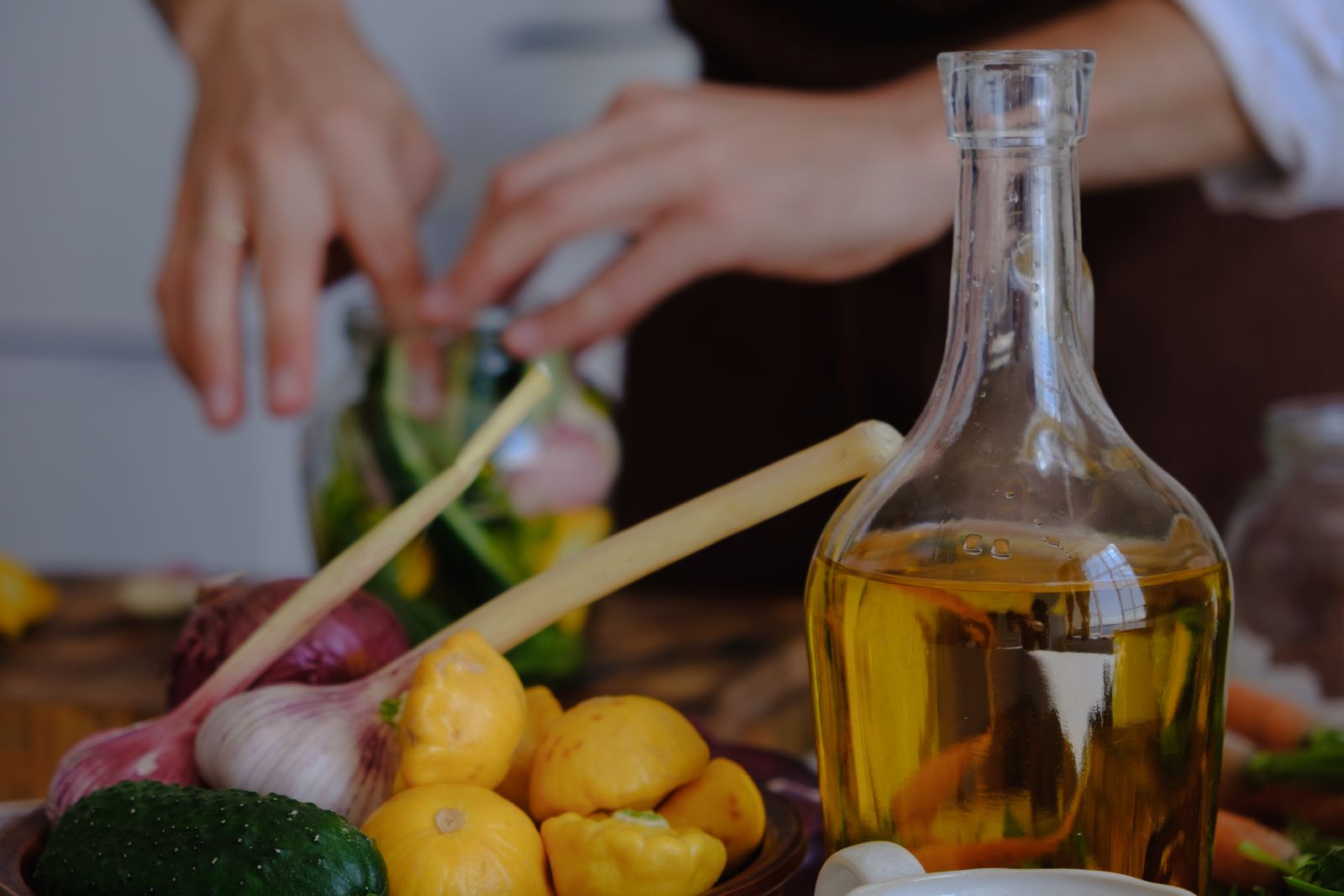
Cover image source: Pexels (photo by Андрей)
🌿 A gentle note from us
The practices shared here are rooted in Traditional Chinese Medicine traditions that have been passed down for thousands of years. We share them as educational resources — not as prescriptions or medical advice.
Every body is different. What brings balance to one person may not be right for another. Please listen to your body, go gently, and check with a qualified healthcare provider before trying any new wellness practice — especially if you are pregnant, managing a chronic condition, or have specific health concerns.
Some links on this site are affiliate links. If you choose to purchase through them, we may earn a small commission at no extra cost to you. This helps us continue sharing ancient wisdom for modern wellness. Thank you for your trust.
You feel well, keep up with daily life, and have no obvious reason to think about cholesterol. Then a routine blood test shows an elevated LDL-C or triglyceride result. This is a common way dyslipidemia comes to light: it usually produces no symptoms that you can reliably feel.
Traditional Chinese medicine (TCM) offers a vocabulary for patterns such as phlegm-dampness and Spleen deficiency. That vocabulary can shape a conversation about habits and comfort, but it cannot measure cholesterol or determine whether an artery contains plaque. The useful question is how complementary care fits around blood testing, cardiovascular risk assessment, and treatment that reduces risk.
What Your Cholesterol Panel Actually Measures
Dyslipidemia means an unhealthy pattern of blood lipids. Hyperlipidemia refers more specifically to elevated lipids, while dyslipidemia also includes problems such as low HDL-C. A lipid panel usually reports several measurements that need to be interpreted together:
- LDL-C: Cholesterol carried in low-density lipoproteins. Excess LDL contributes to atherosclerotic plaque and is a major treatment target.
- HDL-C: Cholesterol carried in high-density lipoproteins. Low HDL-C can signal increased risk, but a higher result does not cancel out high LDL-C.
- Triglycerides, or TG: Another type of circulating fat. High levels deserve attention alongside cholesterol; very high levels can also create a pancreatitis risk.
- Total cholesterol, or TC: An overall cholesterol measurement. On its own, it gives less information than the full lipid pattern.
The NHLBI blood cholesterol guide explains how cholesterol transport and plaque formation relate to health. A clinician interprets your results alongside your medical history, blood pressure, smoking status, family history, and other risk factors. A laboratory flag is the beginning of that discussion, not a complete treatment plan.
The WHO dyslipidemia fact sheet estimates that 39% of adults worldwide have elevated total cholesterol: 40% of women and 37% of men. It attributes approximately 3.6 million deaths and 90.7 million disability-adjusted life years to elevated LDL-C in 2023. These are population estimates, not predictions about what will happen to an individual reader.
For broader context, WHO estimates that cardiovascular diseases caused 19.8 million deaths in 2022, about 32% of deaths worldwide. That figure covers cardiovascular disease overall; it is not a count of deaths caused only by cholesterol. The distinction matters when reading health headlines. See the WHO cardiovascular disease overview.
How TCM Describes High Cholesterol
Modern lipid measurements were not available when classical TCM developed. Today’s practitioners interpret dyslipidemia through traditional pattern differentiation, drawing on symptoms, tongue observations, pulse assessment, and the broader history. There is no single traditional pattern that corresponds to every elevated LDL result.
Spleen, Liver, Gallbladder, and Kidney in the following descriptions are traditional functional concepts. A diagnosis of “Spleen deficiency” does not establish damage to the anatomical spleen, and “Kidney deficiency” does not diagnose chronic kidney disease. Biomedical organ problems require their own evaluation.
Phlegm-Dampness and Spleen Deficiency
Phlegm-dampness describes a traditional pattern of heaviness, accumulation, and impaired fluid transformation. A practitioner might consider it when someone reports bodily heaviness or fullness and has a greasy tongue coating. “Phlegm” here is broader than respiratory mucus, and it is not a substance identified by a cholesterol test.
Spleen qi deficiency with dampness emphasizes the traditional digestive and transformative functions. Fatigue after meals, bloating, and loose stools may contribute to that assessment. These symptoms have many possible explanations and cannot show that LDL-C is elevated or that a particular herb will lower it.
The two patterns often overlap in TCM reasoning: reduced transformation is described as allowing dampness to accumulate. That is a historical explanatory model, not proof of a biological mechanism. Someone who is lean, energetic, and free of digestive symptoms can still have substantially elevated cholesterol.
Damp-Heat, Blood Stasis, and Kidney Deficiency
Other traditional patterns may enter the discussion, sometimes in combination:
- Liver-Gallbladder damp-heat: A framework that may include a bitter taste, digestive discomfort, and a yellow greasy tongue coating. It does not establish liver inflammation or gallbladder disease.
- Blood stasis: Traditional language for impaired movement of blood, sometimes associated with a dusky tongue or fixed discomfort. It is not interchangeable with a clot or an imaging diagnosis of plaque.
- Kidney deficiency: A traditional account of diminished reserve, sometimes considered with aging or long-standing symptoms. It cannot identify kidney function or explain a lipid result by itself.
Avoid turning these descriptions into an online constitution test. Choosing your own “phlegm-clearing” formula from a symptom list skips both the medical assessment and the practitioner’s reasoning. New chest discomfort needs medical attention even if a traditional description seems to fit.
What Chinese Herbal Research Actually Shows
Chinese herbal medicine is not one standardized intervention. A single compound, a multi-herb decoction, and a manufactured extract can have different ingredients, doses, and safety profiles. Evidence about one preparation does not automatically support another product with a similar traditional indication.
A 2014 review of Chinese herbal medicine for dyslipidemia discussed a berberine meta-analysis containing 11 randomized controlled trials and 874 participants. It reported statistically significant reductions in total cholesterol, triglycerides, and LDL-C. That is evidence of a lipid signal, not proof that berberine prevents heart attacks or can replace a prescribed statin.
The review also covered laboratory and animal research alongside human studies. Those categories answer different questions: a mechanism observed in cells can suggest a hypothesis, but it cannot establish a safe, effective treatment for people. Small samples, inconsistent preparations, and limited trial quality constrain the clinical conclusions.
The 2024 Add-On Treatment Findings
A 2024 Frontiers in Cardiovascular Medicine meta-analysis included 23 randomized trials and 7,316 people with coronary heart disease. It compared Chinese herbal medicine added to Western medical treatment with Western medical treatment alone. Participants already had coronary disease; this was not a general prevention trial in otherwise healthy adults.
The pooled additional LDL-C reduction was 0.46 mmol/L, with a mean difference of −0.46 and a 95% confidence interval of −0.60 to −0.32. However, I² was 96%, indicating extremely high heterogeneity. The studies did not produce a consistent effect size.
The reported risk ratio for major adverse cardiovascular events was 0.52, with a 95% confidence interval of 0.47–0.58. The event effect varied by baseline LDL-C. Methodological weaknesses and low evidence confidence limit how much weight these estimates can carry.
These findings support further investigation of specific adjunctive treatments. They do not establish that an unspecified herbal formula halves your personal risk, or justify removing the conventional treatment used in the trials.
Questions Worth Bringing to a Practitioner
Ask what exact preparation is being proposed and whether the supporting trial studied that same preparation. Ask which outcome matters: a change in LDL-C, a symptom score, or an actual cardiovascular event. Those outcomes should never be treated as equivalent.
Also agree on how benefit and harm will be checked. Bring your baseline lipid panel and a complete medication list, then establish when to repeat laboratory testing and whom to contact about side effects. A plan that relies only on feeling lighter or seeing a different tongue coating cannot establish cholesterol control.
Acupuncture and Acupressure: Different Evidence, Different Expectations
A 2021 Chinese General Practice systematic review reported advantages for acupuncture over statin comparison groups in raising HDL-C and improving TCM symptom scores. The authors also identified low study quality and possible publication bias, and called for better trials. This is low-quality evidence, not a basis for claiming acupuncture is superior to statins for cardiovascular prevention.
A favorable HDL-C change or symptom score does not establish fewer heart attacks, strokes, or deaths. Needling protocols, comparison treatments, and study methods also affect what can be concluded. If you choose acupuncture, use a qualified practitioner and keep medical lipid management in place.
Acupressure is a separate intervention. Results from needle acupuncture cannot simply be transferred to pressing a point at home. There is insufficient reliable evidence to use self-acupressure as an LDL-lowering treatment.
Fenglong ST40 as a Comfort Practice
Fenglong, or ST40, is traditionally associated with phlegm patterns and lies on the outer part of the lower leg. Its traditional name and use do not mean that pressure can remove cholesterol from the bloodstream. Have a trained practitioner show you the location if you want to include it in a relaxation routine.
Use gentle, comfortable pressure while seated and breathing normally, then release. There is no need to seek soreness, bruising, or a strong sensation, and no cholesterol-treatment schedule has been established for this practice. Skip broken or inflamed skin and areas with reduced sensation; stop if pressure causes pain, tingling, or numbness.
Do not massage a newly swollen, warm, painful leg. Seek medical assessment instead. Comfort practices should make the day easier, not become a reason to postpone care or interpret a symptom as “dampness leaving.”
Red Yeast Rice: A Statin-Like Exposure With Uncertain Contents
Red yeast rice is often described as a natural alternative, but its monacolin K is chemically identical to lovastatin. That means it can bring statin-like adverse effects and interactions. A supplement label does not remove the pharmacology.
NCCIH’s red yeast rice review describes a 2017 analysis of 28 U.S. brands. None listed monacolin K quantities; two had no detectable amount. Among the other 26, quantities varied more than 60-fold, from 0.09 to 5.48 mg per 1,200 mg of red yeast rice.
Another concern is citrinin contamination, which can damage the kidneys. Potential harms also include muscle and liver injury. Product weight therefore cannot tell you the active-drug exposure or establish safety.
Do not combine red yeast rice with a statin. Lovastatin metabolism involves CYP3A4, so medicines that inhibit this pathway can increase exposure and toxicity risk. A pharmacist should review the complete medication list rather than relying on the supplement’s marketing claims.
Avoid red yeast rice during pregnancy or breastfeeding. If you are considering it because of suspected statin side effects, discuss those symptoms with your prescriber; changing the prescribed treatment under supervision is safer than experimenting with an uncertain substitute.
Berberine Requires Its Own Safety Review
Berberine is a pharmacologically active plant compound, not simply a concentrated version of eating vegetables. The lipid changes described in older trials do not establish that long-term self-treatment is safe. Digestive adverse effects, including constipation, diarrhea, and abdominal discomfort, can also make it difficult to tolerate.
Berberine can affect drug-metabolizing enzymes and transport pathways, including CYP3A4-related interactions. That makes a pharmacist’s review particularly important for people taking multiple medicines or drugs whose blood concentrations must be tightly controlled. Do not assume that adding berberine to a statin is harmless, and do not stack it with red yeast rice on your own.
Avoid berberine during pregnancy or breastfeeding and do not give it to infants. Tell both your medical clinician and TCM practitioner about all extracts, formulas, and supplements before starting anything new. The broader advice in NCCIH’s cholesterol management overview is clear: supplements should not replace prescribed cholesterol medicine.
Daily Self-Care That Supports Your Treatment Plan
The most useful home routine does not require a formula matched to every meal. It combines practical food choices, regular movement, tobacco avoidance, adequate sleep, and follow-up testing. Traditional preferences can fit inside that routine when they do not displace effective care.
Build Meals Around Fiber and Better Fat Choices
Include soluble-fiber foods such as oats, barley, beans, and lentils regularly. Replace some butter, fatty processed meats, and other saturated-fat sources with foods such as nuts, seeds, fish, or olive oil. Think in terms of substitutions: adding olive oil without changing the rest of the meal is a different action from using it in place of butter.
Foods containing added plant sterols or stanols can help lower LDL-C, although they are optional rather than essential. NCCIH’s review of natural products for high cholesterol explains the evidence and notes that research on supplements is less extensive than research on enriched foods. People with the rare condition sitosterolemia should avoid added plant sterols unless specifically directed by their clinician.
A practical meal might combine barley, beans, cooked vegetables, and a modest amount of olive oil. If you prefer warm foods within a TCM routine, that preference can work well here. There is no need to ban nutritious raw vegetables or fruit merely because a traditional description labels them cooling.
When triglycerides are elevated, discuss alcohol and sugary drinks explicitly with your clinician. Do not start drinking alcohol to raise HDL-C. Your lipid pattern should guide the priorities, rather than a general promise that one tea or “detox” food cleans the blood.
Make Activity and Recovery Repeatable
Choose an activity you can return to: walking, cycling, swimming, or another comfortable form of movement. Start from your current capacity, build gradually, and break up long periods of sitting. If you have known heart disease or symptoms during exertion, get guidance before increasing intensity.
If weight reduction is appropriate, favor sustainable changes over fasting challenges or rapid-loss regimens. Ask for smoking-cessation support if you use tobacco, and protect a consistent sleep schedule. These habits support cardiovascular health even when the scale or a single laboratory value changes slowly.
Make the routine concrete. Keep a convenient fiber-rich breakfast available, place walking shoes where you will see them, and schedule medication refills before supplies run out. A manageable plan is easier to maintain than a long list of supposedly cholesterol-clearing ingredients.
When Medical Assessment Should Come First
Call your local emergency number for new chest pressure or pain, especially with shortness of breath, sweating, nausea, or discomfort spreading to the arm, jaw, or back. Sudden facial drooping, arm weakness, or difficulty speaking also needs emergency care. Do not try acupuncture, acupressure, or herbs while waiting to see whether those symptoms settle.
Arrange a medical evaluation for markedly elevated cholesterol or a family history of unusually early heart disease. WHO estimates familial hypercholesterolemia, or FH, affects approximately 1 in 250–300 people. An inherited cause deserves attention even when someone eats well and is physically active.
Yellowish eyelid deposits called xanthelasma, tendon deposits, or a pale corneal ring appearing unusually early in life can be clues worth discussing. They do not diagnose FH by themselves, and their absence does not rule it out. The WHO dyslipidemia guidance explains why family assessment and lipid testing matter.
If you already take a statin, do not stop or reduce it on your own because you feel well, start TCM care, or obtain a better test result. Report suspected adverse effects promptly so the prescriber can assess them and adjust treatment if needed. Severe muscle symptoms, dark urine, or jaundice warrant prompt medical advice, including disclosure of any red yeast rice or herbal products.
A Useful Next Step
Bring your latest lipid panel and a complete list of medicines and supplements to your next appointment. Ask which lipid measurement needs the most attention, what treatment is intended to prevent, and when to repeat testing. If you want complementary care, ask how it will be coordinated with that plan.
Use the NHLBI blood cholesterol guide to prepare those questions and NCCIH’s cholesterol management overview to evaluate supplement claims. TCM can offer a language for daily routines and supportive care; measurable risk management still depends on appropriate testing and effective treatment.
Key Takeaways
- High cholesterol usually has no symptoms; blood tests are essential.
- TCM patterns are traditional functional descriptions, not measurements of cholesterol or organ damage.
- Herbal add-on findings and acupuncture results have substantial evidence limitations.
- Red yeast rice can expose you to lovastatin-like effects and contaminants; berberine also requires an interaction review.
- Keep prescribed treatment in place while building sustainable food, activity, sleep, and follow-up habits.