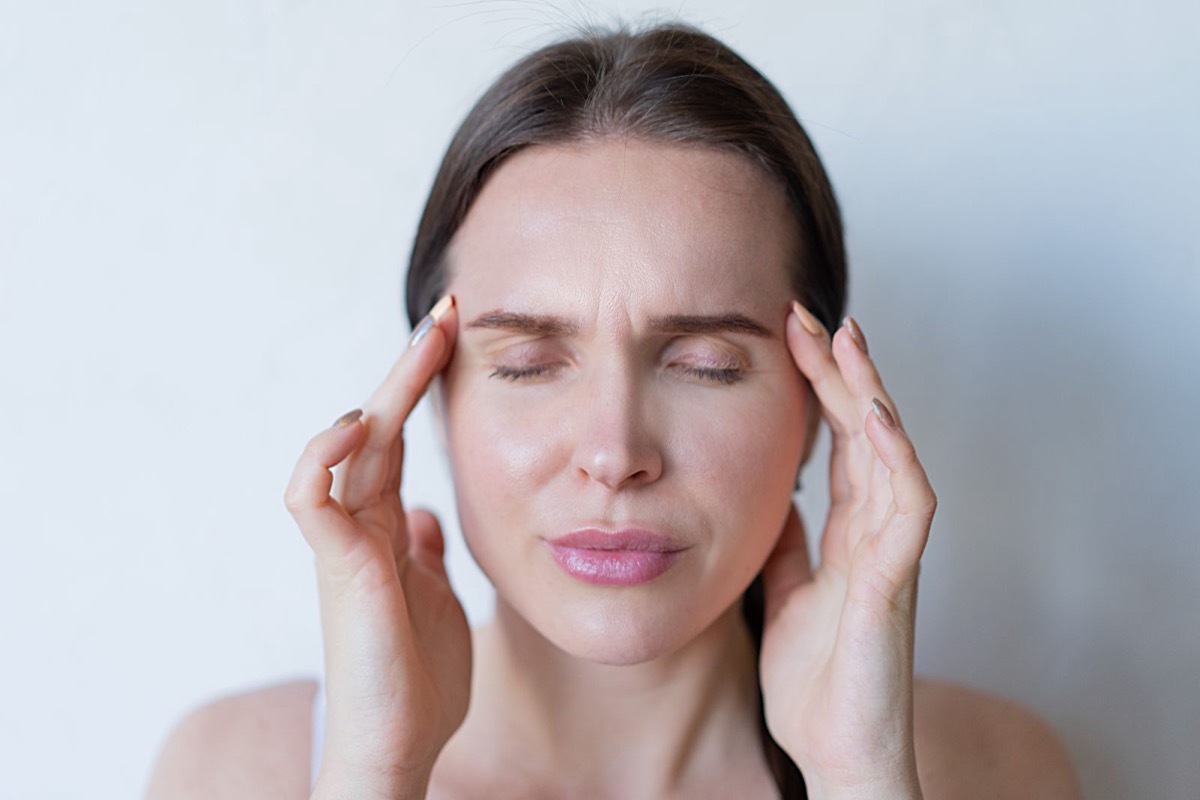
TCM for Headaches & Migraines: Acupressure Points, Herbal Teas, and Lifestyle Tips That May Help
Most headaches are not a disease — they are a message. In traditional Chinese medicine, pain in the head means that qi, blood, or fluids are stuck, rising, or running low in exactly the wrong place. Instead of reaching for painkillers every time, TCM asks a different question: why does this headache keep coming back?
This guide covers the TCM view of headaches and migraines — the common patterns behind them, six acupressure points you can press at home, herbal teas that fit each pattern, and the lifestyle triggers that quietly fuel recurring head pain. It is written to complement conventional care, not replace it. If you get tension headaches before deadlines or migraines that follow your cycle, keep reading.
How TCM Understands Headaches: Three Common Patterns
In Chinese medicine, the head is the meeting point of all the yang channels, so it feels imbalance faster than anywhere else in the body. Location matters: pain at the temples often involves the Gallbladder channel, pain at the back of the head and neck points to the Bladder channel, and pain behind or above the eyes usually involves the Liver. But the deeper question is the pattern — the state of imbalance that actually produces the pain. Three patterns cover most recurring headaches.
Liver-Yang Rising (肝陽上亢)
Liver-yang rising is the classic stress headache. When pressure, anger, or frustration builds up, liver qi gets stuck and turns to heat, and that heat rises into the head like steam in a kettle.
The typical signs are a throbbing or pulsating pain, often on the sides of the head or behind the eyes, plus irritability, dizziness, ringing in the ears, and restless sleep. The headache worsens with stress and improves with calm. People with this pattern often run warm, feel easily frustrated, and may have elevated blood pressure.
Wind-Cold Invasion (風寒)
Wind-cold headaches arrive suddenly, usually after sitting in a draft, getting caught in the rain, or sleeping with a window open. Cold contracts the channels and blocks qi from reaching the head.
The pain is tight and heavy, often at the back of the head and neck, and the head feels wrapped or band-like. You may feel chilled, want warm drinks, and have a clear runny nose. A warm compress, a scarf, or hot ginger tea usually eases this headache quickly — and that is a useful test of the pattern.
Qi and Blood Deficiency (氣血虧虛)
When qi and blood run low, the head simply does not get fed enough. This pattern is common in people who are exhausted, skip meals, lose blood heavily each month, or have slept badly for months.
The pain is a dull, empty ache that builds through the day and worsens with exertion. It is better with rest and food, and it comes with a pale face, dizziness, poor concentration, and deep fatigue. Many women notice this headache flaring around their period.
Most people are not one pure pattern. A chronic deficiency can sit underneath an acute liver-yang flare — exhausted at the root, wired on the surface. A licensed practitioner can identify your dominant pattern; the self-care below is safe for all three.
| Pattern | How it feels | Typical signs | What helps |
|---|---|---|---|
| Liver-Yang Rising (肝陽上亢) | Throbbing, pulsating; sides of head or behind eyes | Irritability, dizziness, ringing ears, poor sleep, worse with stress | Calm, cooling teas, rest, stress relief |
| Wind-Cold Invasion (風寒) | Tight, heavy, band-like; back of head and neck | Chills, clear runny nose, worse in drafts and cold | Warmth, ginger tea, keeping the neck covered |
| Qi & Blood Deficiency (氣血虧虛) | Dull, empty ache; worse with fatigue and exertion | Pale face, dizziness, poor concentration, tiredness | Sleep, regular meals, nourishing food |
Six Acupressure Points for Headache Relief
Acupressure works the same points as acupuncture, without needles. Pressing them releases the stuck qi behind head pain and calms the channels involved. Acupuncture itself has solid evidence for migraine — including a randomized trial in JAMA Internal Medicine in which true acupuncture reduced migraine attacks more than sham acupuncture or no treatment — and acupressure gives you a taste of the same mechanism at home, any time you need it.
LI-4 (Hegu / 合谷)
Squeeze your thumb against your index finger; LI-4 sits at the highest point of the muscle bulge that rises in the web between them. It is the master point for the face and head, and the first stop for tension headaches, sinus pressure, and stress-related pain.
GB-20 (Fengchi / 風池)
Find the two hollows at the base of the skull, between the neck muscles, roughly level with your earlobes. Press upward and slightly inward, toward the eyes. This is the classic point for headaches that start in the neck, including migraines with tension in the shoulders and jaw.
LR-3 (Taichong / 太衝)
On the top of the foot, in the hollow between the first and second metatarsal bones, about two finger-widths back from the web between your big and second toes. LR-3 is the master point for liver-yang rising: it calms throbbing, stress-driven headaches and the irritability that comes with them.
GB-41 (Zulinqi / 足臨泣)
On the top of the foot, in the hollow between the fourth and fifth metatarsal bones, about two finger-widths back from the toes. GB-41 drains Gallbladder-channel pain along the sides of the head — especially migraines that trace a line from the temple toward the eye.
EX-HN-5 (Taiyang / 太陽)
The soft hollow at the temple, about one finger-width behind the midpoint between the outer corner of the eye and the end of the eyebrow. This is the classic self-massage spot: press and make slow circles for quick relief from tension headaches and eye strain.
Yintang (印堂)
The point between the eyebrows, in the center of what is sometimes called the third-eye area. Yintang calms the mind and relieves frontal headaches, sinus pressure, and screen-related eye strain. It is also the go-to point for stress and anxiety.
| Point | Location | What it helps |
|---|---|---|
| LI-4 (Hegu / 合谷) | Fleshy web between thumb and index finger | Master point for face and head; tension and sinus headaches |
| GB-20 (Fengchi / 風池) | Hollows at the base of the skull, beside the neck muscles | Headaches that start in the neck, migraine with neck tension |
| LR-3 (Taichong / 太衝) | Top of foot, hollow between 1st and 2nd toes | Liver-yang, stress-driven, throbbing headaches |
| GB-41 (Zulinqi / 足臨泣) | Top of foot, hollow between 4th and 5th toes | Side-of-head pain, Gallbladder-channel migraine |
| EX-HN-5 (Taiyang / 太陽) | Temple hollow, one finger-width behind the outer eye corner | Tension headaches, eye strain |
| Yintang (印堂) | Between the eyebrows | Frontal headaches, sinus pressure, stress |
How to Press
Use a thumb or index fingertip and press firmly until you feel a dull, spreading ache — never sharp pain. Hold each point for one to two minutes while breathing slowly and deeply. Run the whole sequence at the first sign of a headache, then once or twice daily for prevention. Avoid LI-4 and LR-3 during pregnancy, and skip any point on broken or infected skin.
Herbal Teas for Headaches
Tea is the gentlest entry point into TCM headache care — and the most important rule is that the herb must match the pattern. The same tea that cools one headache can prolong another.
- Chrysanthemum tea (菊花茶) — the classic remedy for liver-yang rising. Best for throbbing, stress-driven headaches with red, tired eyes and irritability. Chrysanthemum clears heat from the head and brightens the eyes.
- Peppermint tea — moves stuck qi and cools heat. It suits tight, pressured headaches and stuffy sinus pain. A cooled peppermint compress on the temples works almost as well as the tea.
- Green tea — light and mildly cooling, it clears heat and gently lifts the head. A good everyday choice for mild, heat-type headaches; skip it if you feel chilled.
The matching rule in practice: hot and wired → cooling chrysanthemum; tight and stuffy → peppermint; chilled and draft-exposed → skip these and reach for warming ginger. Steep fresh herbs, drink them warm, and skip the sugar. If your headache pattern is unclear, a licensed TCM practitioner can point you to the right formula.
Lifestyle and Food Triggers
Recurring headaches rarely come from nowhere. Five triggers quietly set up most chronic head pain, and fixing them often does more than any single remedy.
- Sleep — both too little and too much trigger migraines. Keep a fixed wake-up time, even on weekends, and protect the hours before midnight.
- Stress — the number-one driver of liver-yang rising. Twenty minutes of qigong or slow breathing each day settles the nervous system before the headache does.
- Screen time — eye strain and forward neck craning feed tension headaches. Follow the 20-20-20 rule, and press Yintang and EX-HN-5 during screen breaks.
- Caffeine — the daily user’s sudden drop is a classic migraine trigger. Keep intake steady and moderate, and never quit cold turkey without planning.
- Dehydration — even mild dehydration strains the head. Drink water before you feel thirsty, especially on hot days and after exercise.
When to See a Doctor
TCM is wonderful for recurring, pattern-based head pain — but some headaches are emergencies. Get medical help immediately if any of these apply:
- A sudden, explosive “thunderclap” headache — the worst headache of your life, reaching peak pain in seconds
- Headache with fever and a stiff neck — a possible sign of meningitis
- Headache that follows a recent head injury or fall
- New vision changes, weakness, numbness, or trouble speaking
- A new type of headache after age 50, or headaches that steadily get worse over weeks
Also check in with a doctor if your usual painkillers stop working or your headache pattern changes. Acupressure and tea are for the everyday, recurring headache — not for new, severe, or unusual pain.
Key Takeaways
- TCM reads headaches by pattern: liver-yang rising (throbbing, stress-driven), wind-cold invasion (tight, chilled, draft-triggered), and qi and blood deficiency (dull, fatigue-driven).
- Six points to press: LI-4 and EX-HN-5 for quick tension relief, GB-20 for neck-origin pain, LR-3 and GB-41 for migraine-type throbbing, Yintang for frontal and stress headaches — one to two minutes each.
- Match the tea to the pattern: chrysanthemum for hot, rising headaches; peppermint to move stuck qi; warming ginger drinks for wind-cold.
- Fix the five triggers first: sleep, stress, screen time, caffeine, and hydration.
- Acupuncture has strong clinical evidence for migraine prevention; acupressure is its DIY cousin.
- Red flags mean urgent care, not the teapot: thunderclap pain, fever with stiff neck, headache after injury, vision or speech changes.
For deeper reading: the Cochrane review on acupuncture for the prevention of episodic migraine, the randomized trial in JAMA Internal Medicine on acupuncture for migraine prophylaxis, and the Me & Qi knowledge base on headache patterns.
🌿 A gentle note from us
The practices shared here are rooted in Traditional Chinese Medicine traditions that have been passed down for thousands of years. We share them as educational resources — not as prescriptions or medical advice.
Every body is different. What brings balance to one person may not be right for another. Please listen to your body, go gently, and check with a qualified healthcare provider before trying any new wellness practice — especially if you are pregnant, managing a chronic condition, or have specific health concerns.
Some links on this site are affiliate links. If you choose to purchase through them, we may earn a small commission at no extra cost to you. This helps us continue sharing ancient wisdom for modern wellness. Thank you for your trust.
Health & Safety Notes
- This content is educational wellness information, not medical advice or diagnosis.
- Suitable for: general adult self-care reference.
- Consult a qualified practitioner before use if you are pregnant, nursing, have a chronic condition, take medication, or treat children.
- Red flags — seek medical care if: symptoms are severe, worsening, or persistent; sudden or unexplained pain; fever; numbness/weakness.
- Information reviewed: 2026-09. Sources: traditional Chinese medicine references and general wellness literature.