TCM Wellness
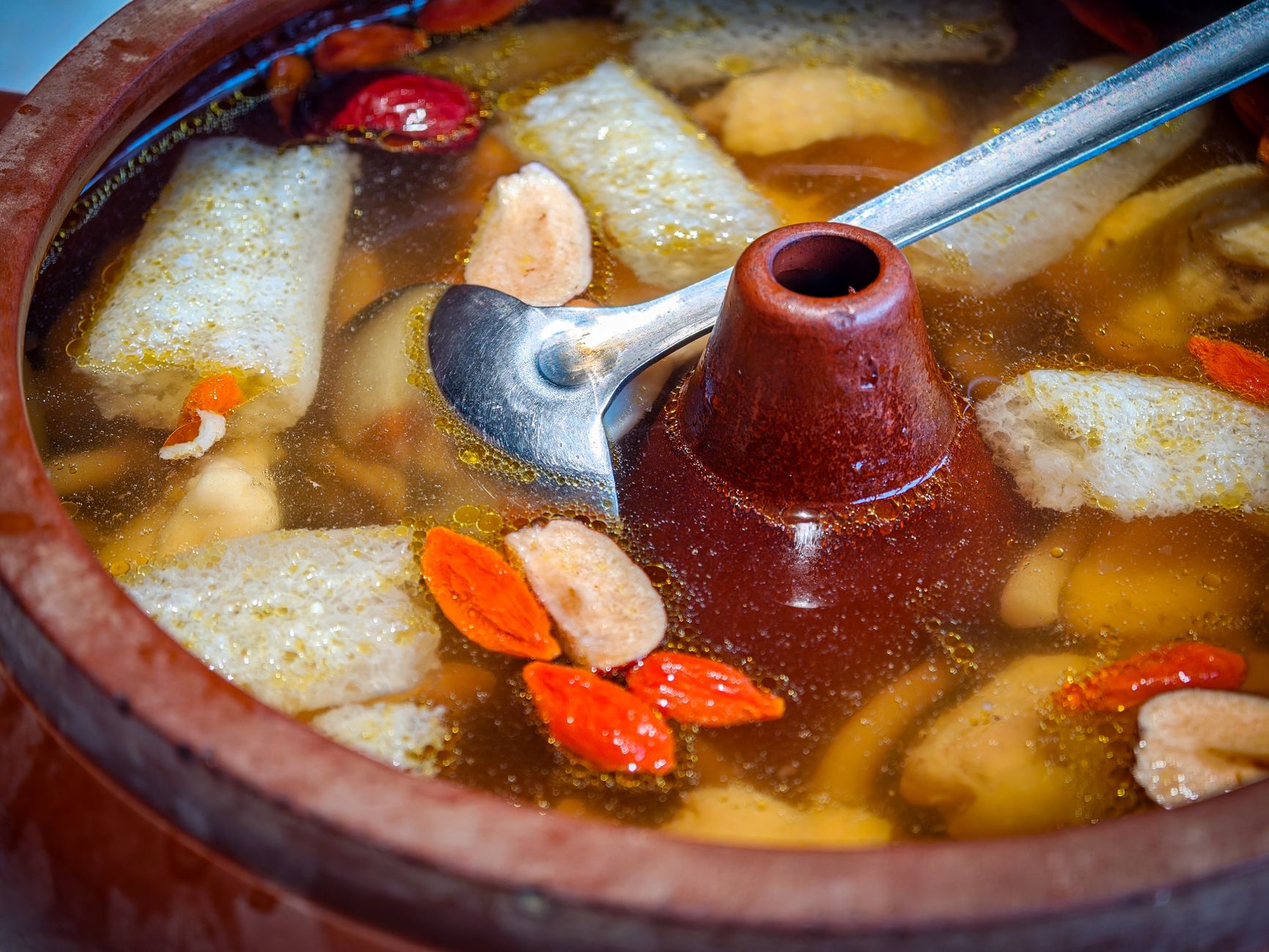
Discover Traditional Chinese Medicine food therapy through 8 easy medicinal herbal soups you can make at home. Learn the benefits of classic ingredients like goji berries, red dates, and astragalus — plus where to source quality dried herbs and soup kits.

TCM Food Therapy: 8 Chinese Medicinal Herbal Soups for Everyday Wellness — A Beginner's Guide

· TCM Wellness Team
Educational content only. Not medical advice. Consult a healthcare professional before starting any new wellness practice. Some links are affiliate links.

Medical Disclaimer: This article is for informational and educational purposes only. It does not constitute medical advice and is not a substitute for professional medical consultation, diagnosis, or treatment. Always consult a qualified healthcare provider before incorporating herbal remedies into your routine, especially if you are pregnant, nursing, taking medication, or have an existing health condition.


Introduction

In many Chinese households, the kitchen is the first pharmacy. Long before pills and powders, there was soup — slow-simmered, aromatic, and loaded with roots, berries, and herbs chosen not just for flavor but for their ability to support the body’s natural balance.

This is TCM food therapy (食療, shí liáo): the practice of using everyday ingredients as medicine. Unlike Western supplements that isolate a single compound, TCM medicinal soups work holistically — combining ingredients that complement each other to address specific imbalances.

The best part? You don’t need to be a TCM practitioner to benefit. With a handful of accessible dried herbs and basic pantry staples, you can start making nourishing soups that your body will thank you for.

In this beginner-friendly guide, we cover 8 classic Chinese medicinal soups, the key herbs behind them, how to source quality ingredients, and practical tips for incorporating food therapy into your weekly routine.


What Is TCM Food Therapy?

TCM food therapy is built on the same principles as acupuncture and herbal medicine: the idea that health depends on the balance of Qi (vital energy), Yin and Yang, and the five elements. Foods and herbs are classified by their:

  • Thermal nature: cooling, neutral, or warming
  • Flavor: sweet, salty, sour, bitter, or pungent
  • Organ affinity: which meridian/organ system they primarily support

A well-constructed medicinal soup doesn’t just taste good — it’s designed to gently correct imbalances over time. Someone who feels cold and fatigued might benefit from warming herbs like astragalus and ginger, while someone with dry skin and night sweats might need more yin-nourishing ingredients like snow fungus and lotus seeds.

The approach is preventive and gradual. You’re not “dosing” — you’re eating with intention.


The Core Pantry: 10 Essential TCM Soup Herbs

Before diving into recipes, here are the dried herbs and ingredients you’ll reach for again and again:

HerbTCM FunctionCommon Use
Goji Berries (枸杞, Gǒu Qǐ)Nourishes liver and kidney yin, supports eye healthAdded to almost any soup for sweetness and color
Red Dates (紅棗, Hóng Zǎo)Tonifies Qi and blood, calms the spiritBase ingredient for most nourishing soups
Astragalus Root (黃芪, Huáng Qí)Boosts defensive Qi, supports energyImmune-supportive soups, often paired with dang shen
Dang Shen (黨參, Dǎng Shēn)Tonifies Qi, supports digestionA gentler alternative to ginseng for daily use
Chinese Yam (淮山, Huái Shān)Strengthens spleen and lung QiThickens soups naturally, great for digestion
Lotus Seeds (蓮子, Lián Zǐ)Calms the heart, supports kidney healthDessert soups and sweet tonic broths
Solomon’s Seal (玉竹, Yù Zhú)Nourishes yin, moistens drynessCooling soups for dry weather or dry cough
Snow Fungus (雪耳, Xuě Ěr)Nourishes lung yin, supports skin hydrationSweet dessert soups, prized for beauty benefits
Fox Nuts (芡實, Qiàn Shí)Strengthens kidney and spleenOften paired with lotus seeds in tonic soups
Dried Longan (龍眼乾, Lóng Yǎn Gān)Tonifies blood, calms the mindSweet soups, sleep-supportive recipes

Shopping tip: Look for these at your local Asian grocery store, Chinese herbal medicine shop, or reputable online retailers. Quality matters — choose herbs that are whole, aromatic, and free from mold or excessive dust. We link recommended sources in each recipe below.


8 Essential Chinese Medicinal Soups

1. Chicken Soup with Astragalus and Dang Shen (黃芪黨參雞湯)

Best for: Everyday energy support, post-illness recovery, immune maintenance

This is the quintessential Chinese home-cooking medicinal soup — what your grandmother would make when you looked tired or run-down. The combination of astragalus and dang shen is one of TCM’s most time-tested Qi-tonifying pairs.

Ingredients (serves 4):

  • 500g bone-in chicken (free-range preferred)
  • 20g astragalus root slices
  • 15g dang shen root
  • 6 red dates, pitted
  • 1 tbsp goji berries
  • 3 slices fresh ginger
  • 8 cups water
  • Salt to taste

Method:

  1. Blanch chicken in boiling water for 2-3 minutes — rinse and set aside. This removes impurities for a clearer broth.
  2. In a clean pot, combine chicken, astragalus, dang shen, red dates, and ginger with 8 cups water.
  3. Bring to a boil, then reduce to a gentle simmer. Cover and cook for 1.5–2 hours.
  4. Add goji berries in the last 10 minutes (they turn bitter if overcooked).
  5. Season with salt and serve hot.

Where to buy: Dried Astragalus Root Slices on Amazon — look for thin, yellowish-white slices with a sweet, earthy aroma. For dang shen, check Asian grocery or herbal shops.


2. Snow Fungus and Pear Soup (雪耳雪梨湯)

Best for: Dry weather, dry cough, skin hydration, autumn wellness

Snow fungus (also called tremella or “silver ear”) is prized in TCM for its yin-nourishing and lung-moistening properties. Combined with pear — another lung-friendly ingredient — this mildly sweet soup is a dessert and a tonic in one.

Ingredients (serves 4):

  • 1 large dried snow fungus, rehydrated
  • 2 Asian pears (雪梨), peeled and cubed
  • 8 red dates
  • 2 tbsp goji berries
  • 30g rock sugar (adjust to taste)
  • 8 cups water

Method:

  1. Soak snow fungus in warm water for 30 minutes until fully expanded. Trim the tough yellow base and tear into bite-sized pieces.
  2. Combine snow fungus, pear, red dates, and water in a pot. Bring to a boil, then simmer for 45–60 minutes until the fungus is soft and gelatinous.
  3. Add rock sugar and goji berries in the last 5 minutes.
  4. Serve warm or chilled — both are delicious.

Where to buy: Dried Snow Fungus on Amazon — white or pale yellow, tightly curled. The best quality expands dramatically when soaked.


3. Pork Rib Soup with Chinese Yam and Lotus Seeds (淮山蓮子排骨湯)

Best for: Digestion support, spleen Qi, mild fatigue

This soup is a staple in Cantonese home cooking — gentle, nourishing, and suitable for the whole family including children and the elderly. Chinese yam (huai shan) and lotus seeds work together to strengthen the digestive system.

Ingredients (serves 4):

  • 500g pork ribs
  • 30g dried Chinese yam slices
  • 30g dried lotus seeds (soaked 1 hour)
  • 20g fox nuts (qian shi)
  • 6 red dates
  • 1 tbsp goji berries
  • 3 slices ginger
  • 8 cups water
  • Salt to taste

Method:

  1. Blanch pork ribs, rinse, and set aside.
  2. Combine ribs, Chinese yam, lotus seeds, fox nuts, red dates, and ginger with water.
  3. Bring to a boil, then simmer for 1.5–2 hours.
  4. Add goji berries in the last 10 minutes. Season and serve.

Where to buy: Dried Chinese Yam Slices on Amazon — look for uniformly white, sulfur-free slices. Dried Lotus Seeds on Amazon — check that the green bitter germ has been removed.


4. Six-Herb Vegetarian Tonic Soup (六味素湯)

Best for: Vegetarians seeking a Qi and blood tonic, general wellness

You don’t need meat to make a deeply nourishing TCM soup. This vegetarian version uses a blend of six classic tonic herbs to create a rich, savory broth that supports energy and blood health.

Ingredients (serves 4):

  • 15g astragalus root
  • 10g dang shen
  • 8 red dates
  • 15g Solomon’s seal (yu zhu)
  • 2 tbsp goji berries
  • 15g dried longan
  • Optional: 1–2 carrots or corn for natural sweetness
  • 8 cups water
  • Salt or soy sauce to taste

Method:

  1. Rinse all dried herbs briefly.
  2. Combine everything except goji berries in a pot with water.
  3. Bring to a boil, then simmer for 1 hour.
  4. Add goji berries in the last 10 minutes.
  5. Season lightly — the herbs and longan already provide natural sweetness.

Where to buy: Solomon’s Seal (Yu Zhu) on Amazon — translucent amber slices with a slightly sweet taste. Dried Longan on Amazon — dark brown, sweet, and slightly chewy.


5. Ginger and Red Date Tea Soup (薑棗茶湯)

Best for: Cold constitution, menstrual comfort, warming up on cold days

Technically a tea-soup hybrid, this intensely warming brew is a winter essential in many Chinese households. Fresh ginger drives warmth into the body while red dates and longan nourish blood — making it especially popular among women during their menstrual cycle.

Ingredients (serves 2):

  • 30g fresh ginger, thinly sliced (peel on for extra warmth)
  • 10 red dates, pitted and halved
  • 1 tbsp dried longan
  • 1 tbsp goji berries
  • 1–2 tbsp brown sugar (optional)
  • 4 cups water

Method:

  1. Combine ginger, red dates, and longan with water.
  2. Bring to a boil, then simmer for 20–30 minutes.
  3. Add goji berries and brown sugar in the last 5 minutes.
  4. Strain and sip hot throughout the day.

6. Black Chicken Soup with Solomon’s Seal (玉竹烏雞湯)

Best for: Yin nourishment, post-illness recovery, dry skin and hair

Black chicken (silkie) is a prized ingredient in TCM food therapy — it’s considered more nourishing than regular chicken, particularly for yin and blood. Combined with Solomon’s seal, this soup is deeply moisturizing from the inside out.

Ingredients (serves 4):

  • 1 small black chicken (silkie), about 800g, cleaned
  • 25g Solomon’s seal (yu zhu)
  • 10 red dates
  • 2 tbsp goji berries
  • 3 slices ginger
  • 8 cups water
  • Salt to taste

Method:

  1. Blanch black chicken briefly, rinse, and place in a pot.
  2. Add Solomon’s seal, red dates, and ginger with water.
  3. Bring to a boil, then simmer for 2 hours.
  4. Add goji berries in the last 10 minutes. Season and serve.

Note: Black chicken is available frozen at many Asian supermarkets. If you can’t find it, regular free-range chicken works — the soup will still be nourishing but less intensely so in the TCM framework.


7. Lotus Root and Peanut Soup (蓮藕花生湯)

Best for: Lung and stomach health, dry cough, vegetarian option

Lotus root is a cooling, lung-nourishing ingredient in TCM. Combined with peanuts — which are considered neutral and spleen-supportive — this soup is lightly sweet, creamy, and comforting. It’s one of the most accessible medicinal soups for beginners because the ingredients are widely available.

Ingredients (serves 4):

  • 1 large lotus root (about 400g), peeled and sliced
  • 100g raw peanuts (soaked overnight)
  • 8 red dates
  • 1 tbsp goji berries
  • Optional: 500g pork ribs for non-vegetarian version
  • 8 cups water
  • Salt to taste

Method:

  1. If using pork ribs, blanch and rinse first.
  2. Combine lotus root, peanuts, red dates, and ribs (if using) with water.
  3. Bring to a boil, then simmer for 1.5–2 hours until lotus root is tender.
  4. Add goji berries in the last 10 minutes. Season and serve.

8. Red Bean and Fox Nut Dessert Soup (赤小豆芡實甜湯)

Best for: Dampness, water retention, summer refreshment

Not all TCM soups are savory. This sweet dessert soup uses red beans (adzuki) and fox nuts to drain dampness — a TCM concept roughly corresponding to excess fluid retention and sluggishness that’s common in humid weather.

Ingredients (serves 4):

  • 100g adzuki beans (soaked overnight)
  • 30g fox nuts (qian shi)
  • 30g dried lotus seeds
  • 6 red dates
  • 50g rock sugar or to taste
  • 8 cups water

Method:

  1. Drain soaked adzuki beans and combine with fox nuts, lotus seeds, red dates, and water.
  2. Bring to a boil, then simmer for 1–1.5 hours until beans are soft.
  3. Add rock sugar to taste, stir until dissolved.
  4. Serve warm in winter or chilled in summer.

Tips for TCM Soup Beginners

1. Start Simple

Don’t buy 20 herbs at once. Start with the core five — goji berries, red dates, astragalus, dang shen, and Chinese yam — and make the chicken soup (Recipe #1) repeatedly until it feels second nature.

2. Listen to Your Body

Pay attention to how you feel after different soups. If a “cooling” soup makes your stomach feel cold, your body may lean toward a cold constitution — try more warming recipes instead.

3. Quality Matters

Herbs from reputable sources make a significant difference. Look for:

  • Whole, intact pieces (not crushed powder)
  • Natural color without excessive bleaching
  • Aromatic, fresh smell (not musty or stale)
  • Sulfur-free when possible (check labels)

4. Seasonality

In TCM, eating with the seasons supports balance naturally:

  • Spring: Light, green-focused soups with goji leaves or chrysanthemum
  • Summer: Cooling soups with snow fungus, lotus root, mung beans
  • Autumn: Moistening soups with pear, snow fungus, Solomon’s seal
  • Winter: Warming, deeply nourishing soups with astragalus, ginger, black chicken

5. Store Herbs Properly

Dried TCM herbs last 6–12 months when stored in airtight containers away from light, heat, and humidity. A cool pantry or refrigerator works well.


Common Questions

Q: Can I drink medicinal soup every day? For mild, food-grade herbs like red dates, goji berries, and Chinese yam — yes. For stronger herbs like astragalus and dang shen, 2–3 times per week is generally considered sufficient for most people. Always consult a TCM practitioner for personalized guidance.

Q: Can children drink these soups? Milder soups (Recipes #1, #3, #7) are generally considered safe for children over 3 in moderate amounts. Avoid giving stronger tonic herbs to young children without professional guidance.

Q: I’m pregnant — are these soups safe? Some TCM herbs are not recommended during pregnancy. Consult your healthcare provider before consuming any herbal soup while pregnant.

Q: What’s the difference between TCM food therapy and taking supplements? Food therapy delivers herbs in a whole-food matrix alongside other nutrients from the soup ingredients (protein, minerals, collagen from bones). The TCM perspective is that this gentler, synergistic delivery is often more balanced than isolated extracts — though both have their place.


Where to Buy TCM Soup Ingredients

Online (US/International):

In-Store: Visit your local Chinatown herbal shop or Asian supermarket (99 Ranch, H Mart, etc.). The advantage of in-person shopping is being able to see and smell the herbs before buying.

Starter Kits: Some brands offer pre-packaged TCM soup kits with pre-measured herbs. These are excellent for beginners — just add your own protein and water. Search for Chinese herbal soup kit on Amazon.


Final Thoughts

TCM food therapy isn’t about dramatic transformations or quick fixes — it’s about the quiet, cumulative effect of eating with intention. A bowl of astragalus chicken soup on a tired Monday, a chilled snow fungus dessert on a hot afternoon, a warming ginger brew when you feel the first chill of winter.

These soups are designed to be practical, affordable, and — most importantly — delicious. Start with one recipe that speaks to you, build your herb pantry gradually, and let the kitchen become part of your wellness practice.

If you enjoyed this guide, explore our other TCM wellness articles on herbal teas, foot soaks, and energy tonics.


Have you tried making Chinese medicinal soups at home? What’s your go-to recipe? Let us know in the comments.

This content is for informational purposes only and is not medical advice. Always consult a healthcare professional before starting any wellness practice.