TCM for Fertility and IVF in 2026: Evidence and Safe Support
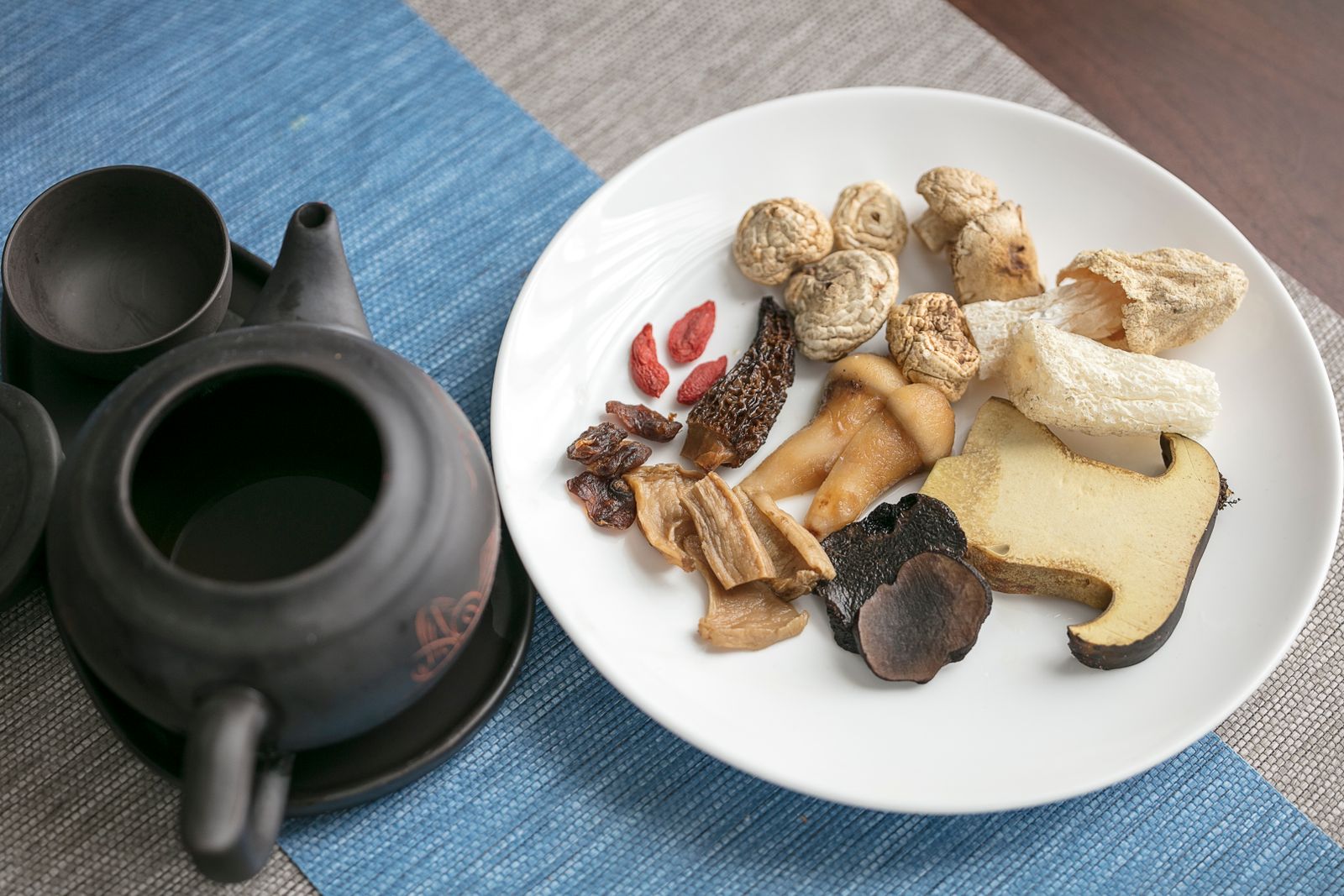
Cover image source: Pexels (photo by 大狮 陈)
🌿 A gentle note from us
The practices shared here are rooted in Traditional Chinese Medicine traditions that have been passed down for thousands of years. We share them as educational resources — not as prescriptions or medical advice.
Every body is different. What brings balance to one person may not be right for another. Please listen to your body, go gently, and check with a qualified healthcare provider before trying any new wellness practice — especially if you are pregnant, managing a chronic condition, or have specific health concerns.
Some links on this site are affiliate links. If you choose to purchase through them, we may earn a small commission at no extra cost to you. This helps us continue sharing ancient wisdom for modern wellness. Thank you for your trust.
The progesterone is beside your toothbrush. Your appointment calendar has become a second job, and the two-week wait stretches between ordinary tasks. Someone suggests acupuncture; someone else sends a photograph of a fertility tea.
Wanting something supportive is understandable. The useful question is what it can realistically offer, what remains uncertain, and whether it fits safely around the treatment your clinic has prescribed.
The short answer
- Acupuncture has not shown a clear live-birth benefit alongside assisted conception.
- Pregnancy-rate findings and live-birth outcomes are different; newer positive findings do not settle the question.
- Herbal products need clinic and pharmacist review before use, including during preconception care.
- Both partners deserve assessment. Traditional patterns cannot replace medical investigations.
What TCM Means by Fertility
TCM practitioners describe fertility through Kidney (Shen) and Jing, often translated as essence. Capitalized Kidney means a functional network associated with development, reproduction, and ageing, not the anatomical kidneys. Jing is a traditional explanatory concept, not a substance measured by a blood test.
Classical TCM texts connect this network with menstrual rhythms, reproductive capacity, and channels called Chong and Ren. Practitioners sometimes explain it as a reproductive axis. That is a historical model, not measured physiology or an equivalent of the hypothalamic-pituitary-gonadal axis. A claim to “nourish Jing” does not establish improved egg quality, ovarian reserve, or sperm function.
Four Patterns Practitioners Commonly Describe
These are descriptions of a tradition, not a self-diagnosis checklist. Symptoms overlap with medical conditions and medication effects.
| Traditional pattern | Symptoms traditionally attached to it |
|---|---|
| Kidney yin deficiency | Night sweats, dryness, heat sensations, disturbed sleep, and sometimes scanty menstrual flow. |
| Kidney yang deficiency | Chilliness, fatigue, cold or aching lower back, low libido, and sometimes delayed cycles. |
| Liver qi stagnation | Irritability, tension, breast discomfort, and symptoms described as fluctuating with emotional strain. |
| Blood stasis with Damp-Phlegm | Painful or clotted periods associated with stasis, alongside heaviness, discharge, or irregular cycles attributed to Damp-Phlegm. Practitioners may distinguish these patterns rather than combine them. |
A pattern label cannot replace investigating age-related fertility changes, AMH in its clinical context, tubal factor, sperm parameters, thyroid function, or prolactin when indicated. AMH helps inform assessment; it is not a standalone verdict on natural conception. A traditional explanation should never postpone appropriate testing or a time-sensitive referral.
The Evidence, Graded Honestly
Read “low certainty” as “we genuinely do not know,” rather than “probably works.” Study bias, inconsistent results, small samples, and imprecision can make an apparent benefit unreliable. Also ask which outcome was measured and what the comparison group received.
| Evidence source | Findings | Practical interpretation |
|---|---|---|
| Cochrane acupuncture review, 2013 | Across 20 randomized trials, no evidence of improved live birth or pregnancy rates in assisted conception. | It does not establish a fertility benefit. |
| Updated acupuncture review, 2025 | Higher clinical and ongoing pregnancy rates, lower anxiety and procedural pain scores, but no significant live-birth increase and a higher early miscarriage rate. | Possible symptom benefits coexist with unresolved reproductive outcomes and a safety signal. |
| Cochrane Chinese herbal medicine review | Eight trials involving 609 women with PCOS; none reported live birth. Certainty was low to very low. | These findings cannot establish effective or safe herbal fertility treatment. |
Acupuncture: conflicting pregnancy findings, no clear live-birth gain
Cochrane’s embryo-transfer analysis found a live-birth odds ratio of 1.22, with a 95% confidence interval of 0.87–1.70, across eight studies involving 2,505 participants. The interval spans no difference and possible benefit or harm; it does not mean an established improvement. Evidence quality was low. The review reported no significant side effects, which is not proof that uncommon harms cannot occur.
The 2025 review used trial sequential analysis and searched through June 2024. It analysed 39 trials involving 7,188 participants. Its positive pregnancy findings conflict plainly with Cochrane’s older conclusion. Different included trials, treatment protocols, and sham or no-treatment comparisons complicate interpretation. A newer statistical method cannot remove weaknesses in the underlying trials.
Clinical pregnancy generally means a pregnancy confirmed clinically, usually by ultrasound. Ongoing pregnancy means it has continued to a specified study milestone. Neither guarantees a baby born alive. Higher early pregnancy measures without a significant live-birth increase are therefore insufficient grounds to promise better IVF success.
The early miscarriage signal needs discussion with your clinic. It does not by itself prove acupuncture caused miscarriages, but it also prevents an uncomplicated reassurance about reproductive safety. The uncertainty favours cautious, optional symptom support over purchasing acupuncture as a proven fertility add-on.
Herbs: a pregnancy signal with major gaps
The PCOS Cochrane review found low-certainty evidence of higher pregnancy rates when Chinese herbal medicine was added to clomiphene. No trial reported live birth, and adverse-effect information was insufficient to establish safety. This is a narrow population and treatment comparison, not evidence for herbs across IVF, unexplained infertility, or male-factor infertility.
An overview of reviews on female infertility found encouraging herbal combination results but low methodological quality on AMSTAR 2. Promising findings from weak evidence remain uncertain. They do not justify replacing medical care or adding a formula without review.
Safety Comes Before Cycle Timing
Tell your fertility clinic and pharmacist about every herb and supplement. Include teas, powders, imported formulas, vitamins, and products your partner takes. Bring ingredient labels, doses, and photographs. “Natural” does not describe interaction risk.
Unregulated products can vary in dose and contents. Contamination and adulteration are documented concerns, including undisclosed ingredients. NCCIH’s supplement guidance explains why quality and medication interactions matter. If your team agrees to a product, buy only from suppliers providing independent third-party testing for identity and contaminants. Testing does not establish fertility benefit or pregnancy safety.
Some herbs affect clotting, hormones, or blood pressure. Have the pharmacist assess possible interactions with stimulation drugs, progesterone support, thyroid medication, and anaesthesia. Direct interaction evidence for individual fertility combinations is often sparse; an absence of studies is not clearance to combine them.
Do not start new herbs between the trigger shot and embryo transfer. Before egg collection or any surgery, stop nonessential herbal products and disclose them promptly; get the stopping interval and restart decision from the clinic and anaesthesia team. Do not wait until procedure day. Continue prescribed fertility medicines unless your treating team changes them.
Pregnancy changes the safety question again. Some traditional “blood-moving” herbs are avoided in pregnancy. A formula previously used before conception is not automatically appropriate after transfer or a positive test. Confirm any continued use with your clinic.
Traditional pregnancy precautions commonly avoid LI4 (Hegu), SP6 (Sanyinjiao), GB21, and selected lower-abdominal and sacral points. These are traditional cautions, not proof that touching a point causes miscarriage. During a treatment cycle, limit acupressure self-care to gentle, non-uterine points selected with professional guidance; confirm the plan with your clinic. Avoid forceful abdominal or sacral pressure.
For acupuncture, choose an appropriately qualified practitioner using sterile, single-use needles and disclose possible pregnancy. NCCIH’s acupuncture guidance describes complications from improper treatment. New severe pain, heavy bleeding, or breathlessness needs medical assessment, not another complementary session.
What Is Actually Reasonable to Do
These measures support general health; they are not fertility guarantees or a test of how hard you are trying.
- Keep sleep and wake times reasonably regular, allowing space for appointments and recovery.
- Seek smoking-cessation support and plan alcohol cessation for both partners. Discuss dependence with a clinician rather than managing withdrawal alone.
- Choose moderate exercise. During stimulation, follow your clinic’s activity restrictions rather than pursuing a strenuous new routine.
- Eat varied meals with vegetables, whole grains, protein, and adequate energy. Take folate according to local preconception guidance; discuss checking vitamin D when indicated rather than guessing at high doses. Avoid mega-dosing antioxidants.
- Use counselling, peer support, or relaxation for distress. Reduced anxiety matters in its own right; it does not establish increased live birth. A failed cycle is not evidence that you failed to relax.
The NHS IVF guide offers a practical account of treatment and factors affecting outcomes. Use your clinic’s instructions to adapt everyday habits to your particular cycle.
Include the Male Partner
TCM also frames male fertility through Kidney Jing. Semen analysis is the actual clinical measurement of sperm parameters, interpreted with history and examination. Neither libido nor a traditional pattern identifies sperm count, movement, or shape.
Evidence for TCM in male-factor infertility is thin, with much of the literature drawn from small Chinese trials. The female-infertility reviews above cannot establish a male benefit. Changes in semen measurements alone would not demonstrate more live births.
Address smoking, alcohol, and weight without blame. Reduce repeated testicular heat exposure from hot tubs and move a laptop off the lap; evidence for semen effects is more direct than proof that any single change produces pregnancy. A urologist can assess a varicocele and whether treatment is appropriate. These medical and lifestyle considerations deserve attention before purchasing male-fertility tonics.
Questions to Ask Before You Book
- What licence or recognized qualification do you hold where you practise?
- Will you coordinate with my reproductive endocrinologist or fertility clinic?
- Can you provide complete ingredients, sourcing, and independent product-testing records?
- What will you not treat, and when will you refer me for medical assessment?
- What is the total cost, cycle-timing plan, and reason to stop or reassess?
Frequently asked questions
Is acupuncture worth adding to an IVF cycle?
The Cochrane acupuncture review found no clear live-birth benefit alongside assisted conception. The newer review reported higher clinical and ongoing pregnancy rates and lower anxiety and procedural pain scores, but no significant live-birth increase and a higher early miscarriage rate. Acupuncture may be reasonable as optional comfort care after discussing that safety signal with your clinic, but it is not a proven IVF success booster.
Can I take Chinese herbal medicine while I am on stimulation drugs or progesterone?
Ask your fertility clinic and pharmacist before combining herbs with stimulation drugs or progesterone; direct interaction data for individual fertility combinations is often sparse. NCCIH’s supplement guidance explains why medication interactions and product quality matter. Stop nonessential herbal products before egg collection or surgery, with the stopping interval and restart decision set by your clinic and anaesthesia team. Do not start new herbs between the trigger shot and embryo transfer.
Is acupressure safe during the two-week wait?
Traditional pregnancy cautions cover LI4, SP6, GB21, and selected lower-abdominal and sacral points; these cautions do not prove that touching a point causes miscarriage. Keep self-care gentle, using non-uterine points selected with professional guidance, and avoid forceful abdominal or sacral pressure. Confirm the plan with your clinic.
Does TCM improve egg quality or ovarian reserve?
No improvement in egg quality or ovarian reserve is established by a claim to “nourish Jing”: Jing is a traditional concept, not a measured substance. AMH helps inform clinical assessment but is not a standalone verdict on natural conception. A traditional pattern label cannot replace appropriate testing.
Choose Support With Your Clinic Informed
TCM’s useful role here may be support and symptom management alongside good medical care. It cannot promise conception, protect every pregnancy, or make an unsuccessful cycle your fault.
Your next step is to bring your proposed treatments and product list to your clinic. If assessment has not started, read the NHS infertility guidance and WHO infertility fact sheet, then arrange care appropriate to your age, history, and circumstances.