TCM for an Enlarged Prostate (BPH) and Nighttime Urination: Kidney Yang, Damp-Heat, Acupressure Points, and What the Research Actually Shows (2026 Guide)
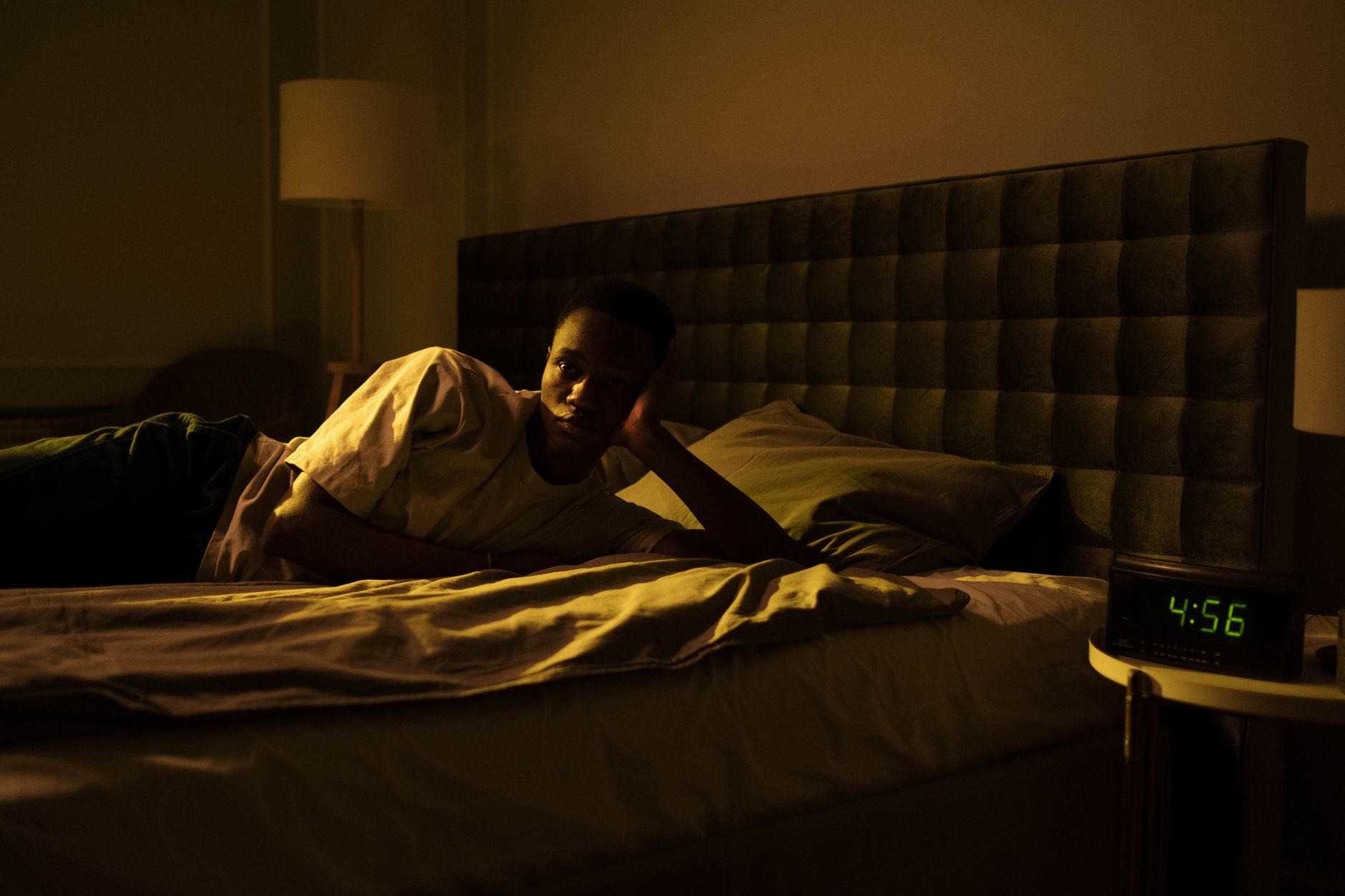
Cover image source: Pexels (photo by cottonbro studio)
Late September brings cooler floors and an extra blanket. Then comes the second bathroom trip, perhaps the third, before dawn. Repeated waking deserves more attention than simply blaming an evening glass of water.
An enlarged prostate can contribute to nocturia, or nighttime urination, but infections, sleep disorders, and other conditions can look similar. An autumn routine can make nights more comfortable while you arrange an assessment. Traditional Chinese medicine offers another language for these experiences; its explanations and treatments need to be kept separate from established medical findings.
What an Enlarged Prostate Actually Is
Benign prostatic hyperplasia (BPH) means noncancerous prostate enlargement, also called benign prostatic hypertrophy or benign prostatic obstruction. The gland doubles around puberty; another growth phase begins around 25 and continues throughout life. BPH usually develops later in that second phase.
NIDDK estimates put US prevalence at 5%–6% among men 40–64 and 29%–33% at 65 and older. BPH is the commonest prostate problem after 50; symptoms before 40 are rare.
Risk is higher with age over 40, family history, cardiovascular disease, type 2 diabetes, obesity, chronic kidney disease, erectile dysfunction, and inactivity.
Symptoms include:
- Difficulty starting or emptying completely.
- Weak or interrupted flow and dribbling afterward.
- Nocturia, urgency, frequent urination, or painful urination.
Size does not directly predict symptom severity. A large prostate may cause little trouble; slight enlargement can cause substantial symptoms. Complications include retention, meaning incomplete bladder emptying, blood in urine, UTIs, kidney disease, and bladder stones.
Why Nighttime Bathroom Trips Get Worse as the Weather Cools
The Japanese HEIJO-KYO study monitored indoor temperatures for 48 hours in 1,065 community-dwelling adults aged 60 or older. Nocturia, defined as at least two nightly trips, affected 30.8%. Each 1°C decrease in daytime indoor temperature corresponded to an odds ratio of 1.075 (95% CI 1.026–1.126, P=0.002), adjusting for outdoor temperature and other factors. After additionally adjusting for nighttime urine volume, the association persisted: OR 1.095 (95% CI 1.042–1.150, P<0.001).
One proposed explanation is cold-induced detrusor overactivity: the bladder muscle becomes more active with cold exposure.
Finland’s TAMUS study surveyed 3,163 men aged 50–70; 2,064 responded, a 65.3% response rate. 17.1% reported seasonal variation. Within that subgroup, 81% reported winter worsening and 93% summer relief. Variation was more common with older age, greater symptom severity, comorbidities including stroke, and existing urinary treatment or BPH surgery.
These observations suggest warmth may help comfort and possibly nocturia. They do not establish that cold causes BPH or that warming cures it.
Getting the Right Diagnosis First
BPH is not cancer. Nevertheless, bladder disorders, UTIs, prostatitis, and prostate cancer can produce overlapping symptoms. Prostatitis is the commonest prostate problem before 50. Evaluation can include history, examination, urine testing, and selected further tests.
The NIA’s prostate guidance describes the USPSTF’s 2018 screening advice: men 55–69 decide about PSA screening after discussing benefits and harms; routine screening is not recommended from 70 onward. Screening advice does not mean ignoring symptoms.
Normally, nighttime urine production falls, allowing most people 6–8 hours without urinating. Other nocturia causes include evening fluids, caffeine or alcohol, infection, pregnancy, kidney disease, diabetes, excessive water intake, heart failure, high calcium, diuretics and other medicines, diabetes insipidus, leg swelling, sleep apnea, other sleep disorders, stress, and restlessness.
Disclose decongestants, antihistamines, tranquilizers, antidepressants, and diuretics: they can worsen urinary symptoms. Seek immediate care for inability to urinate, blood, severe lower abdominal or urinary pain, or fever and chills with painful, frequent, urgent urination.
Established treatment options
Alpha blockers such as tamsulosin, doxazosin, and alfuzosin relax prostate and bladder-neck muscles. Finasteride and dutasteride, 5-alpha reductase inhibitors, limit growth or shrink the gland; combining an alpha blocker with a 5-ARI may outperform either alone. PDE5 inhibitors relax surrounding muscles. The NHS also lists oxybutynin and tolterodine for frequency and urgency. Discuss side effects and follow-up.
NIDDK describes minimally invasive water-vapor therapy and prostatic urethral lift. Severe symptoms or unsuccessful medication may warrant transurethral resection, laser treatment, electrovaporization, or robotic surgery; temporary Foley catheterization may follow.
How TCM Frames It: Long Bi, Kidney Yang, Damp-Heat, and Blood Stasis
In TCM, difficult urination falls within categories including Long Bi. Traditional accounts describe declining Kidney qi as an underlying weakness, with blood stasis and retained fluids contributing. “Kidney” here is a traditional functional concept, not a kidney-disease diagnosis.
| Traditional pattern | Traditionally described features | Traditional care direction |
|---|---|---|
| Kidney Yang deficiency | Coldness, fatigue, weak flow, frequent nighttime urination | Warm Yang and support qi |
| Damp-Heat in the lower jiao | Burning, urgency, scant or dark urine | Clear Heat and resolve Dampness |
| Qi stagnation and blood stasis | Hesitancy, pelvic discomfort, obstructed flow | Move qi and blood |
These descriptions cannot diagnose BPH or exclude infection. Burning and pain require medical assessment, not self-selection of a pattern.
A historical review, drawing on texts including the Jingui Yaolue, discusses Jingui Shenqi Pill for Kidney qi, Zhenwu Tang for warming Yang and moving water, Guizhi Fuling Pill for stasis, and Wuling San or Danggui Shaoyao San for fluid retention. Historical rationale is not modern efficacy evidence or a prescription. Our Kidney and jing guide explains the vocabulary.
What the Research Actually Shows
The evidence is limited, and support for herbs and self-care claims remains weak.
Chen and Yue’s 2024 electroacupuncture meta-analysis searched seven databases through March 31, 2023: 325 records yielded 9 RCTs and 1,045 patients.
| Pooled outcome | Reported result |
|---|---|
| Clinical effectiveness rate | OR 3.92, 95% CI 2.38–6.47; I²=0%; P<.001 |
| IPSS symptom score | Weighted mean difference −4.99, 95% CI −6.15 to −3.84; I²=76.9%; P<.001 |
| Postvoid residual urine (PVR) | −17.12 mL, 95% CI −29.49 to −4.75; I²=89.1%; P<.01 |
| Prostate volume and adverse events | No statistically significant between-group differences; P>.05 |
IPSS spans 0–35: 0–7 mild, 8–19 moderate, 20–35 severe. High heterogeneity, predominantly Chinese studies, limited samples, and imperfect blinding weaken confidence. The abstract duplicates the IPSS value for maximum urinary flow, Qmax; that questionable Qmax result is deliberately omitted. Qmax ≤15 mL/s is commonly used in BPH assessment, not as a standalone diagnosis.
Guo and colleagues’ 2025 point-selection review included 85 of 270 studies, identifying 61 points. Frequent choices were CV4, CV3, SP6, CV6, BL23, ST28, BL28, SP9, CV2, and BL32, mainly on the CV, BL, and SP channels. Common pairings included CV3–SP6, CV4–CV6, and CV4–SP6. This maps practice; it does not prove efficacy, and rigorous trials remain necessary. Its cited prevalence estimates—50%–75% after 50 and up to 82% after 70—differ greatly from NIDDK’s US estimates and should not be treated as interchangeable.
A 2013 herbal meta-analysis identified 31 studies from 13,922 records, pooling 11 with Jadad scores ≥3. Reported quality-of-life and prostate-volume advantages over Western medicines, with adverse events similar to placebo and fewer than with Western medicines, were undermined by poor methods and few trials. The authors judged the evidence too weak to support efficacy.
A 2020 uncontrolled pilot added VGHBPH0, an investigational herbal formula, to existing medication in 20 patients, three times daily for 8 weeks. IPSS fell 17.5→15.0, a 2.5-point change (p=0.03); voiding scores 10.1→8.4, down 1.7 (p=0.02); incomplete-emptying scores 2.9→2.1, down 0.8 (p=0.02). PVR changed 52.9→30.8 mL (p=0.07), not statistically significant. Without a control group, improvement cannot establish treatment efficacy.
NCCIH concludes saw palmetto is probably not helpful. A 2023 review of 27 studies found little or no benefit when used alone. A 2011 double-blind trial of 369 men, using up to three times 320 mg daily, found no advantage over placebo; a 2009 Cochrane review of nine trials likewise found no superiority.
Acupressure You Can Try at Home
No published research testing self-administered acupressure for BPH symptoms was identified in the sources reviewed here. Needle-acupuncture findings cannot establish that massage works. Treat this as optional relaxation, with gentle touch only. The brief durations below are comfort suggestions, not validated BPH treatment doses.
| Point | Finding the area | Suggested time | Caution |
|---|---|---|---|
| SP6, Sanyinjiao | About four finger-widths above the inner ankle, behind the shinbone | 30–60 seconds each side | Avoid during pregnancy; stop for pain |
| CV4, Guanyuan | Midline, about three-fifths from navel to pubic bone | 30 seconds, light touch | Avoid after abdominal surgery, with hernia or abdominal aortic aneurysm |
| CV3, Zhongji | Midline, about four-fifths from navel to pubic bone | 30 seconds, light touch | Never press a full or distended bladder; avoid abdominal contraindications above |
| BL23 / BL28 region | Muscles beside the lower lumbar spine / sacrum | Brief comfortable warmth | Prefer a wrapped warm pack or soft massage ball against a wall; avoid spinal pressure |
Landmarks are approximate; ask a qualified practitioner to demonstrate. Skip painful, inflamed, or injured areas. Acupuncture is invasive and requires qualified practitioners; serious complications are uncommon but possible. Never needle yourself.
Food Therapy and Fluids: Warming, Cooked, and Practical
Traditional food therapy often favors warm, cooked meals. Pumpkin seeds, walnuts, black beans, adzuki beans, Chinese yam, ginger, and cinnamon appear in traditional dietary approaches, although they are not all classified as warming. Use ordinary food amounts; none is established to shrink BPH. Try cooked beans or yam with meals rather than large bedtime soups. See our food-therapy guide.
NIDDK’s practical advice includes reducing fluids before bed or outings, limiting caffeine and alcohol, staying active, emptying comfortably, and avoiding prolonged holding. For double voiding, finish, pause, and try again gently without straining. Do not reduce total fluids to dehydration; follow individualized advice if heart or kidney disease affects fluid needs.
Keep the Lower Body Warm
Keep living spaces and the bedroom comfortably warm, and wear socks if cold. An optional foot soak around 40°C for 15–20 minutes is a comfort ritual, not BPH treatment. With diabetes or impaired sensation, seek advice first, check temperature carefully, and avoid burns; comfortably warm socks may be simpler.
Traditionally, avoiding iced drinks fits a warming routine, but this is not proven BPH therapy. HEIJO-KYO concerned indoor temperature, not foot-soak efficacy. Our foot-soak guide adds practical context.
Herbs, Supplements, and What to Avoid
NCCIH’s TCM safety guidance describes products containing undeclared plants or animal ingredients, warfarin, diclofenac, arsenic, lead, cadmium, pesticides, or sulfites. Ingredient substitutions and manufacturing errors have caused serious harm, including organ damage. Avoid self-prescribing long-term herbal formulas.
Saw palmetto is generally well tolerated; uncommon mild effects include digestive symptoms, dizziness, and headache. It does not affect PSA values, but tolerability does not establish benefit. Tell your clinician and pharmacist about every supplement and possible interaction. Never stop or adjust prescribed BPH medication yourself.
Red Flags That Need Medical Care
NHS urgent advice covers blood, painful urination, and inability to urinate. These can indicate conditions other than BPH, including cancer; early assessment helps.
| Symptom | Possible significance | Action |
|---|---|---|
| Cannot urinate at all | Acute retention | Emergency department now |
| Blood in urine | Infection, stones, or another urinary disorder, including cancer | Urgent same-day assessment; emergency care if clots block urination |
| Painful urination | Infection or inflammation | Urgent same-day clinician; UK NHS 111 if unavailable |
| Fever/chills with urinary symptoms | Significant infection | Immediate urgent assessment; emergency care if very unwell |
| Severe lower abdominal or urinary pain | Retention or another acute problem | Emergency department now |
| Nocturia with leg swelling, breathlessness lying flat, or rapid weight gain | Possible fluid overload or heart failure | Urgent same-day assessment; emergency services for severe breathlessness |
| Nocturia with thirst and weight loss | Possible diabetes | Prompt medical appointment |
| Loud snoring or witnessed breathing pauses | Possible sleep apnea | Arrange medical assessment |
A Simple Daily Rhythm
- Arrange assessment for new or persistent urinary symptoms.
- Record drink amounts, urination times, and each urine volume.
- Weigh yourself at the same time daily on the same scale, as MedlinePlus advises.
- Stay active and eat balanced, cooked meals.
- Limit evening caffeine, alcohol, and large drinks without dehydrating.
- Empty comfortably before bed; add gentle warmth or optional acupressure.
- Review the diary, medicines, and supplements with your clinician; act immediately on red flags.
Where to Go Next
Use NIDDK’s BPH overview and NHS treatment guidance to prepare questions. The AUA BPH guideline provides clinical context for treatment discussions.
For complementary routines, explore autumn sleep care and cold hands and feet. Keep comfort habits alongside diagnosis, prescribed treatment, and follow-up.
🌿 A gentle note from us
The practices shared here are rooted in Traditional Chinese Medicine traditions that have been passed down for thousands of years. We share them as educational resources — not as prescriptions or medical advice.
Every body is different. What brings balance to one person may not be right for another. Please listen to your body, go gently, and check with a qualified healthcare provider before trying any new wellness practice — especially if you are pregnant, managing a chronic condition, or have specific health concerns.
Some links on this site are affiliate links. If you choose to purchase through them, we may earn a small commission at no extra cost to you. This helps us continue sharing ancient wisdom for modern wellness. Thank you for your trust.