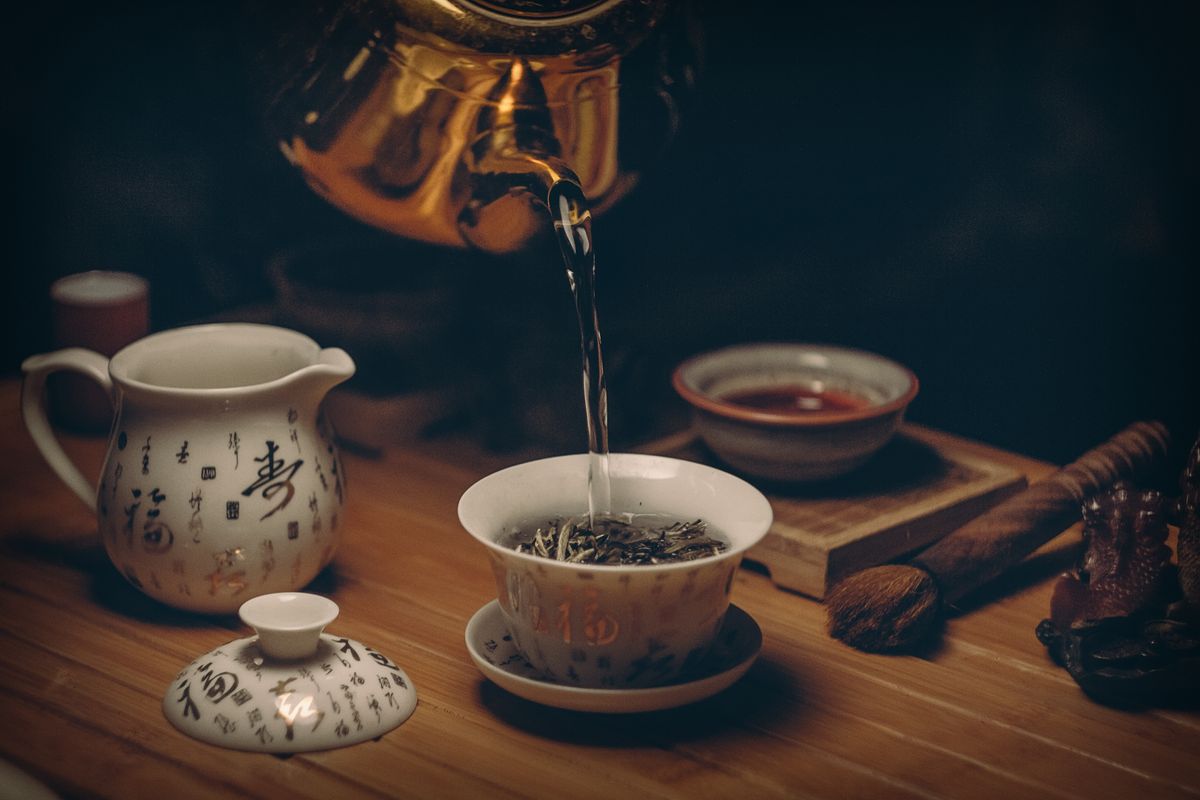
TCM Cooling Herbal Teas: A Summer Guide to Traditional Chinese Cooling Beverages
Medical Disclaimer: This article is for informational and educational purposes only. It does not constitute medical advice and is not a substitute for professional medical consultation, diagnosis, or treatment. Always consult a qualified healthcare provider before incorporating herbal remedies into your routine, especially if you are pregnant, nursing, taking medication, or have an existing health condition.
Introduction
When the temperature climbs past 35°C and the humidity makes the air feel like soup, reaching for an ice-cold soda is tempting. But in Traditional Chinese Medicine (TCM), guzzling icy drinks on a hot day is believed to do more harm than good — it shocks the digestive system and traps heat inside the body.
Instead, TCM has a centuries-old answer to summer heat: cooling herbal teas (涼茶, liáng chá). These aren’t “cooling” because they’re served over ice. They’re considered cooling in the TCM sense — meaning they help clear excess heat from the body, reduce internal inflammation, and restore balance during the hottest months.
In this guide, we cover the most popular TCM cooling herbs and teas, how to brew them at home, what to look for when buying ingredients, and how to incorporate them into your summer routine.
What Makes a Tea “Cooling” in TCM?
In TCM theory, all foods and herbs have a thermal nature: hot, warm, neutral, cool, or cold. This isn’t about physical temperature — it describes how the substance affects your body’s internal balance.
Cooling herbs are used when the body shows signs of excess heat: dry mouth, thirst, flushed face, dark yellow urine, irritability, skin breakouts, or feeling overheated. Summer naturally brings more of these symptoms, which is why cooling teas are a go-to seasonal remedy in Chinese households.
The goal isn’t to eliminate heat entirely — it’s about balance. Too many cooling herbs for someone who already has a cold constitution can cause digestive discomfort. The key is moderation and listening to your body.
5 Essential TCM Cooling Herbs for Summer
1. Chrysanthemum (菊花, Jú Huā)
Chrysanthemum is perhaps the most famous cooling tea in TCM. It specifically targets the liver and lung meridians, making it excellent for summer complaints like dry eyes, headaches, and mild dizziness from prolonged screen time in heat.
- Taste: Lightly sweet, floral
- Best for: Eye strain, mild summer headaches, clearing heat from the upper body
- How to brew: Steep 5–8 dried chrysanthemum flowers in hot water (around 90°C) for 3–5 minutes. Can be re-steeped 2–3 times.
Many people blend chrysanthemum with a few goji berries for a balanced sweet-floral tea that also supports eye health — a favorite among students and office workers.
2. Honeysuckle (金銀花, Jīn Yín Huā)
Honeysuckle is a powerful heat-clearing herb, often used during summer when the body feels excessively hot or shows early signs of heat-related discomfort. In TCM, it dispels wind-heat and is commonly included in the classic cooling beverage “Five Flower Tea” (五花茶).
- Taste: Mildly sweet with a hint of bitterness
- Best for: Clearing summer heat, soothing the throat, early signs of heat-related skin irritation
- How to brew: Use 3–5 grams of dried honeysuckle flowers per cup. Steep in hot water (90–95°C) for 5 minutes. The bitterness can be balanced with a touch of rock sugar or a few goji berries.
3. Luo Han Guo (羅漢果, Luóhàn Guǒ) — Monk Fruit
Monk fruit is a small round gourd prized in TCM for its natural sweetness and cooling properties. It’s commonly used to soothe dry throats and coughs, making it ideal for air-conditioned environments where the air is dry despite the outdoor heat.
- Taste: Naturally very sweet (contains mogrosides, zero-calorie sweeteners)
- Best for: Dry throat, mild cough from dry air, soothing the lungs
- How to brew: Crack open one dried monk fruit, break it into pieces, and simmer 1–2 pieces in 500ml water for 10–15 minutes. The same pieces can be reused for another pot. No additional sweetener needed — it’s naturally 200–300 times sweeter than sugar.
4. Prunella Vulgaris (夏枯草, Xià Kū Cǎo) — Self-Heal
The name translates to “withers in summer,” and it is traditionally harvested and used as the season turns hot. Self-heal is a classic ingredient in Cantonese herbal tea shops and is heavily relied upon in southern China’s humid summers.
- Taste: Slightly bitter, earthy
- Best for: Summer heat with eye redness or discomfort, clearing liver fire
- How to brew: Simmer 10–15 grams of dried prunella spike in 500ml water for 15 minutes. Often combined with chrysanthemum and a small amount of rock sugar to temper the bitterness.
5. Dried Plum / Smoked Plum (烏梅, Wū Méi)
Sour plum drink (酸梅湯, suān méi tāng) is a classic summer beverage throughout China and Taiwan. The sour taste in TCM is associated with astringing qualities and generating body fluids — exactly what you need when summer heat depletes your fluids.
- Taste: Tart, smoky, refreshing
- Best for: Quenching thirst, generating body fluids, relieving summer fatigue
- How to brew: Simmer 5–6 smoked plums with 1L water, a few slices of licorice root (甘草), and dried hawthorn (山楂) for 30 minutes. Strain and chill. Add rock sugar to taste. This is the authentic sour plum drink you find at night markets.
How to Build Your Own Summer Cooling Tea Blend
One of the joys of TCM herbal tea is mixing and matching. Here’s a simple formula:
| Role | Herb | Amount per 500ml |
|---|---|---|
| Base (cooling) | Chrysanthemum | 5–8 flowers |
| Sweetener | Luo Han Guo (monk fruit) | 1 small piece |
| Enhancer | Goji berries (枸杞) | 8–10 berries |
| Optional astringent | Dried hawthorn (山楂) | 2–3 slices |
Combine all ingredients in a glass teapot or French press. Pour hot water (around 90°C — not boiling, to preserve delicate flower aromas), steep for 5 minutes, and enjoy. The ingredients can be re-steeped 2–3 times over the course of a day.
Tips for Sourcing Quality Ingredients
When buying TCM herbs for tea, quality matters. Here’s what to look for:
- Chrysanthemum flowers should be whole, with intact petals, and have a distinct floral aroma — not musty or stale.
- Goji berries should be plump, deep red-orange, and slightly sticky to the touch. Avoid berries that are dull brown or rock-hard.
- Luo Han Guo should be whole, light brown, and give off a subtle caramel-like sweetness when you break it open.
- Honeysuckle flowers should be pale yellow-white with a fresh, mild fragrance.
For convenience, many Chinese herbal shops and online marketplaces sell pre-packaged cooling tea blends. Look for reputable sellers with good reviews.
When to Drink Cooling Teas (and When to Skip)
Cooling teas are ideal when:
- It’s a hot, humid day and you feel overheated
- You have a dry mouth and throat from air conditioning
- Your eyes feel tired or strained
- You feel mildly irritable or restless from the heat
Consider skipping or reducing intake if:
- You tend to feel cold easily, have cold hands and feet
- You have loose stools or digestive sensitivity
- You’re in an air-conditioned room all day without much heat exposure
- You’re pregnant or nursing — consult your healthcare provider first
Frequently Asked Questions
Can I drink cooling teas every day in summer? A mild chrysanthemum tea with goji berries is gentle enough for daily consumption for most people. Stronger herbs like prunella and honeysuckle are better used on an as-needed basis when you genuinely feel overheated — 2–3 times a week is a reasonable guideline.
Can I drink them cold? While TCM traditionally recommends warm beverages, lightly chilled cooling tea is acceptable on extremely hot days. Avoid serving them ice-cold, as extreme cold can shock the digestive system. Room temperature or slightly chilled is a happy compromise.
Are TCM herbal teas safe with medications? Some herbs can interact with medications. For example, chrysanthemum may have mild blood-thinning effects. If you take any prescription medications, consult your doctor before making herbal teas part of your daily routine.
Conclusion
TCM cooling herbal teas offer a gentle, time-tested way to help your body cope with summer heat. They’re inexpensive, easy to brew at home, and carry none of the sugar load of commercial soft drinks. Starting with a simple chrysanthemum and goji berry blend is a great entry point — and as you get comfortable, you can explore more complex combinations like sour plum drink or five-flower tea.
As with all TCM practices, the goal is balance. Listen to your body, drink mindfully, and enjoy the ritual of brewing something that connects you to a tradition that has helped people handle hot summers for centuries.
Looking for ingredients? Check out dried chrysanthemum flowers, goji berries, and TCM herbal tea sets on Shopee or visit your local Chinese herbal shop.