TCM for Chronic Hives: Patterns, Acupuncture Evidence, and Safe Itch Relief (2026 Guide)
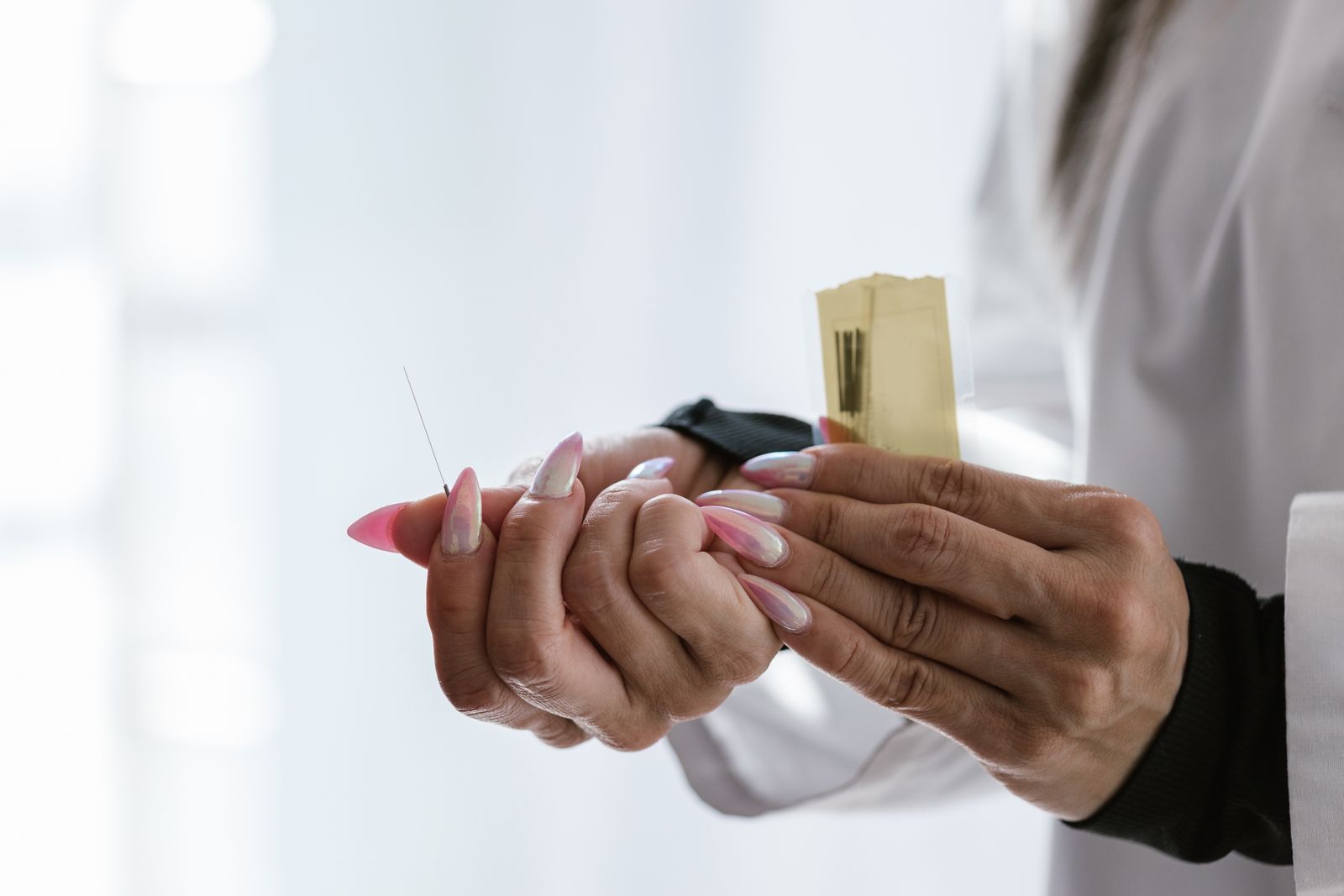
Cover image source: Pexels (photo by RDNE Stock project)
🌿 A gentle note from us
The practices shared here are rooted in Traditional Chinese Medicine traditions that have been passed down for thousands of years. We share them as educational resources — not as prescriptions or medical advice.
Every body is different. What brings balance to one person may not be right for another. Please listen to your body, go gently, and check with a qualified healthcare provider before trying any new wellness practice — especially if you are pregnant, managing a chronic condition, or have specific health concerns.
Some links on this site are affiliate links. If you choose to purchase through them, we may earn a small commission at no extra cost to you. This helps us continue sharing ancient wisdom for modern wellness. Thank you for your trust.
The itch wakes you at 3 a.m. Again. Raised patches disappear from your arm and show up on your waist, leaving you tired and wondering, “Why is my body doing this?” Chronic hives can make bedtime, clothing, and ordinary plans feel uncertain.
Guideline-based medicine is the backbone of care. Traditional Chinese medicine (TCM) offers a traditional way of describing symptoms and some optional comfort practices. Gentle self-care may help you cope, but neither a pattern label nor temporary relief replaces diagnosis.
What chronic urticaria actually is
Urticaria means hives: itchy, raised swellings called wheals. Angioedema is deeper swelling, often around the eyelids or lips; it can occur with or without wheals. Acute urticaria lasts 6 weeks or less; chronic urticaria continues beyond 6 weeks. Individual wheals usually disappear within 24 hours while new ones appear elsewhere.
Chronic spontaneous urticaria (CSU) occurs without an identifiable external trigger. Chronic inducible urticaria follows reproducible triggers such as pressure or cold. These distinctions are set out in the 2022 international urticaria guideline. Acute urticaria affects approximately 20% of people during their lifetime; commonly cited CSU point-prevalence estimates are roughly 0.5–1%, varying by population. Women are affected more often.
Mast cells, immune cells that release histamine and other signals, drive the swelling and itch. A subset of cases has autoimmune features, meaning immune responses target the body’s own components. True food allergy involving immunoglobulin E (IgE), an allergy-related antibody, explains only a minority of chronic cases. Repeated hives do not automatically mean you are eating the wrong thing.
The 2026 international guideline update retains second-generation H1 antihistamines as first-line treatment. If control remains poor, your clinician can adjust treatment or discuss additional medicines. The American Academy of Dermatology’s treatment guide explains why persistent symptoms deserve follow-up.
Red flags: when self-care must wait
Seek urgent or prompt medical care, not acupressure:
- Emergency care now: tongue or throat swelling, hoarse voice, trouble breathing or swallowing, wheezing, dizziness, or collapse. Sudden lip swelling also needs urgent assessment, especially if it is progressing or accompanied by these symptoms.
- Prompt assessment: hives with fever or joint pain, lesions that bruise, or a wheal lasting more than 24 hours at one site. These can suggest another condition, including urticarial vasculitis, inflammation of small blood vessels.
- Prompt medication review: sudden hives after a new medicine. Seek emergency care if breathing, throat, or circulation symptoms accompany them.
MedlinePlus emphasizes that airway swelling is an emergency. ACE inhibitors, medicines often used for blood pressure, can cause a distinct form of angioedema, commonly without hives. It can begin months after starting the drug. Tell the treating clinician about every medicine you take; an old prescription still matters.
How TCM reads hives
Yin Zhen (癮疹), the classical name for hives, is associated with “wind”: a traditional explanation for symptoms that appear suddenly, vanish, and move around. Practitioners often describe acute cases as “excess,” meaning an active disturbance, and chronic cases as deficiency mixed with excess, meaning reduced support alongside active symptoms.
A peer-reviewed modified Xiao-Feng Powder trial protocol reports seven categories from the China State Administration of TCM’s 2012 dermatology guideline:
- Wind-heat attacking the exterior.
- Wind-cold blocking the exterior.
- Blood deficiency generating wind-dryness.
- Damp-heat in the stomach and intestines.
- Defense-exterior insecurity, or wei qi deficiency.
- Qi and blood deficiency.
- Qi and blood stagnation/stasis.
“Exterior” means the body’s surface in this model. Qi refers to traditional functional activity; blood deficiency describes insufficient nourishment in TCM, not a laboratory diagnosis of anemia. Dampness, heat, and stagnation are also traditional categories, not measured substances, temperatures, or blocked blood vessels.
Four common patterns, with practical comfort options
These descriptions explain traditional reasoning, not a validated self-diagnosis system. The points below are traditional options, not proven pattern-specific hives treatments. Acupressure means finger pressure; acupuncture uses needles. Evidence for one cannot establish the effectiveness of the other. Our meridians beginner’s guide explains the traditional mapping language.
Wind-heat: warm, red, restless itching
Practitioners associate this pattern with red, warm-feeling wheals and strong itching, sometimes with thirst. Heat, sweating, and hot showers may make symptoms more noticeable. Redness alone cannot identify a pattern or rule out another skin condition.
Traditional point choices include LI11 Quchi, “Pool at the Bend,” at the outer end of the elbow crease when you bend your arm; LI4 Hegu, “Joining Valley,” in the fleshy area on the back of the hand between thumb and index finger; and SP10 Xuehai, “Sea of Blood,” on the inner thigh muscle just above the kneecap. Ask a practitioner to demonstrate if landmarks are unclear.
Keep the room comfortably cool and choose tepid showers. Drink normally and eat balanced meals; there is no need for a restrictive “cooling” diet. Avoid a particular spicy food only if it repeatedly worsens your symptoms.
Wind-cold: flares associated with chilling
This traditional description often involves paler wheals that appear after cold air or cold contact and ease with comfortable warmth. Wind exposure and abrupt temperature changes may aggravate them. Appearance varies with skin tone and is not diagnostic.
Point options include LI4 Hegu, “Joining Valley,” between the thumb and index finger on the back of the hand; LU7 Lieque, “Broken Sequence,” just above the wrist on its thumb side, near the bony prominence; and ST36 Zusanli, “Leg Three Miles,” on the outer front of the lower leg, below the knee beside the shinbone.
Dress in comfortable layers and choose warm, familiar meals if they feel soothing. Suspected cold urticaria needs medical assessment: cold-water immersion can provoke a severe reaction. Do not test yourself with ice, cold plunges, or swimming. Avoid very hot warming treatments, too.
Blood deficiency wind-dryness: recurrent itch with dryness
In TCM, this pattern describes lingering or recurring itch alongside dry skin, often with tiredness or a pale appearance. Practitioners may associate worsening with fatigue and poor rest; dry air and repeated hot washing can aggravate accompanying dryness. These features do not establish anemia.
Common point choices are SP10 Xuehai, “Sea of Blood,” on the inner thigh above the kneecap; ST36 Zusanli, “Leg Three Miles,” below the knee beside the outer edge of the shinbone; and SP6 Sanyinjiao, “Three Yin Intersection,” on the inner lower leg above the ankle, just behind the shinbone. Have SP6 located professionally before trying it, and skip it during pregnancy.
Regular meals with protein and varied produce support ordinary nutrition. Do not start iron supplements based on this label. Moisturize dry, intact skin with a fragrance-free product. Persistent scaly patches may suggest something besides hives; our eczema guide explains that different condition.
Damp-heat in the stomach and intestines: itch with digestive discomfort
This traditional pattern combines itchy, often red wheals with sensations such as heaviness, bloating, or altered stools. Practitioners may describe worsening after rich meals, alcohol, or humid heat. These associations do not prove a digestive cause of CSU or a food allergy.
Traditional options include LI11 Quchi, “Pool at the Bend,” at the outer elbow crease; ST36 Zusanli, “Leg Three Miles,” below the knee just outside the shinbone; and SP9 Yinlingquan, “Yin Mound Spring,” in the soft hollow just below the inner knee, behind the upper edge of the shinbone.
Choose regular meals you tolerate, and notice whether alcohol reliably aggravates flares. There is no justification here for fasting, purging, or removing entire food groups. Persistent digestive symptoms deserve their own medical assessment.
Other chronic patterns
Wei qi deficiency means inadequate “defensive” function at the body’s surface in TCM. Practitioners may describe recurrent episodes with easy sweating and fatigue. It is not evidence of immune deficiency; prioritize comfortable activity, rest, and evaluation of persistent tiredness.
Qi-blood stagnation describes impaired movement within the traditional model and may be discussed when symptoms seem linked to tension. Gentle movement and relaxation can support coping. Bruising, fixed lesions, or pain should trigger medical review, never reassurance that they are merely “stasis.”
How to try acupressure at home
Choose a small, manageable selection of points on unaffected skin. Use firm-but-comfortable fingertip pressure for 60–90 seconds per point, on both sides, once or twice daily. Breathe out gently as you press. These are practical trial parameters, not a research-established hives dose.
Stop if pressure causes sharp pain, numbness, or more itching. Never press broken, infected, or actively whealing skin. If rubbing or pressure brings up wheals, skip acupressure altogether. Do not attempt self-needling.
If you take anticoagulants or have low platelets, bruising is more likely: check with your clinician first and use lighter pressure if cleared. Bruising is not a treatment goal. During pregnancy, skip strong stimulation, particularly LI4 and SP6, and obtain individualized advice before starting.
A four-week trial is a reasonable personal checkpoint. If it offers no comfort or measurable benefit, stop; you have not failed a treatment.
What the research really shows
The 2023 Annals of Internal Medicine multicenter randomized trial enrolled 330 adults with CSU. At week 4, the acupuncture group’s UAS7, the weekly urticaria activity score, fell from 23.5 to 15.3, a change of −8.2. Changes were −4.1 with sham acupuncture and −2.2 with waitlist care.
The advantage over sham was statistically significant but did not reach the minimal clinically important difference, the threshold intended to reflect a meaningful benefit. Mild or transient adverse events occurred in 13.6% of the acupuncture group. Antihistamines were disallowed during the trial, limiting its relevance to usual care; that restriction is not advice to stop treatment.
A 2025 Frontiers in Medicine review combined 22 randomized trials with 1,867 patients. It reported better response rates, lower recurrence, and improvements in itch and the Dermatology Life Quality Index (DLQI), a questionnaire about skin disease’s daily impact. However, studies had moderate-to-high risk of bias and substantial differences in methods and participants. GRADE, a framework for judging evidence certainty, rated the evidence low to moderate.
The 2025 International Journal of Surgery manual-acupuncture meta-analysis included 6 randomized trials and 615 patients. Compared with sham or non-acupuncture controls, UAS7 improved by about 3.4 points and DLQI by about 2.2 points. Subcutaneous bruising, bleeding under the skin, was more frequent. Reviews can include overlapping trials; their totals should not be added as independent evidence.
NCCIH’s acupuncture overview explains that nonspecific effects, including expectations and the treatment relationship, can contribute substantially. Its strongest evidence concerns pain conditions, not hives. Acupuncture plausibly helps some people feel and sleep better, the effect is modest, and no trial shows it replaces antihistamines.
Herbal medicine: what is known and where danger lies
Xiao Feng San (消風散), or Wind-Dispersing Powder, is a classic wind-dispelling formula and among the most studied formulas for urticaria. That prominence does not establish reliable benefit. A study protocol describes planned research, not completed results, and differently modified formulas are not interchangeable.
The Xiaofeng powder review protocol’s ingredient list identifies Mu Tong as Caulis Aristolochiae Manshuriensis. Such descriptions of classical formulas raise a serious identity issue: aristolochic acid from Aristolochia species is nephrotoxic and carcinogenic, meaning it damages kidneys and can cause cancer. Modern formulas must omit that ingredient or use a verified safe substitute. A familiar formula name does not guarantee safe contents.
NCCIH’s TCM safety guidance warns about contaminated products, heavy metals, pesticides, undeclared drugs, and manufacturing substitutions. Herb-drug interactions also need review. Hidden steroids are another concern with unregulated products; rapid apparent relief cannot establish safety.
Use herbs only with a licensed practitioner qualified in herbal medicine, tell your doctor and pharmacist, and request ingredient identification and quality testing. Never stop prescribed antihistamines on your own, and do not buy bulk herbs online. New symptoms after starting a product need medical review.
A realistic four-week plan
Keep your guideline-based medication plan throughout. Ask your clinician for a UAS7 worksheet: record daily wheal and itch severity, then total the week’s scores. Record swelling and nighttime waking separately, since a wheal-and-itch score does not capture everything.
- Week 1: Establish your baseline and begin gentle daily acupressure only if suitable. Try a cool compress if cold is not a trigger, tepid showers, loose cotton clothing, and short nails. Replace scratching with a gentle soothing action that does not provoke wheals.
- Week 2: Keep a brief diary of obvious triggers, such as heat, pressure, cold, and NSAIDs, nonsteroidal anti-inflammatory drugs such as ibuprofen. Do not deliberately provoke symptoms or start broad elimination diets. Discuss suspected medication triggers with your clinician.
- Week 3: Maintain a regular bedtime and wake time. Add a quiet wind-down routine and comfortable movement. Stress management supports coping; ongoing hives are not evidence that you are failing to relax.
- Week 4: Compare weekly UAS7 scores, sleep, and daily comfort with baseline. Improvement means a sustained downward symptom trend and fewer disrupted nights, not one good afternoon. Stop ineffective acupressure and arrange follow-up if control remains poor.
Bottom line
Chronic hives can be exhausting even when each wheal disappears quickly. TCM patterns offer traditional descriptions, while medical assessment establishes what needs treatment. Acupuncture’s average benefit appears modest, and home acupressure remains an optional comfort experiment. Herbal products require particular caution about ingredients and interactions. Better sleep and less itch are worthwhile goals to pursue alongside effective medical care.
This guide supports informed conversations with your clinician; work together on a plan suited to your symptoms, medicines, and health history.