TCM for Autumn Dryness (Qiu Zao) 2026: Dry Cough, Dry Skin, Chapped Lips, and Dry Eyes — Lung Yin Food Therapy, Herbal Teas, and Acupressure
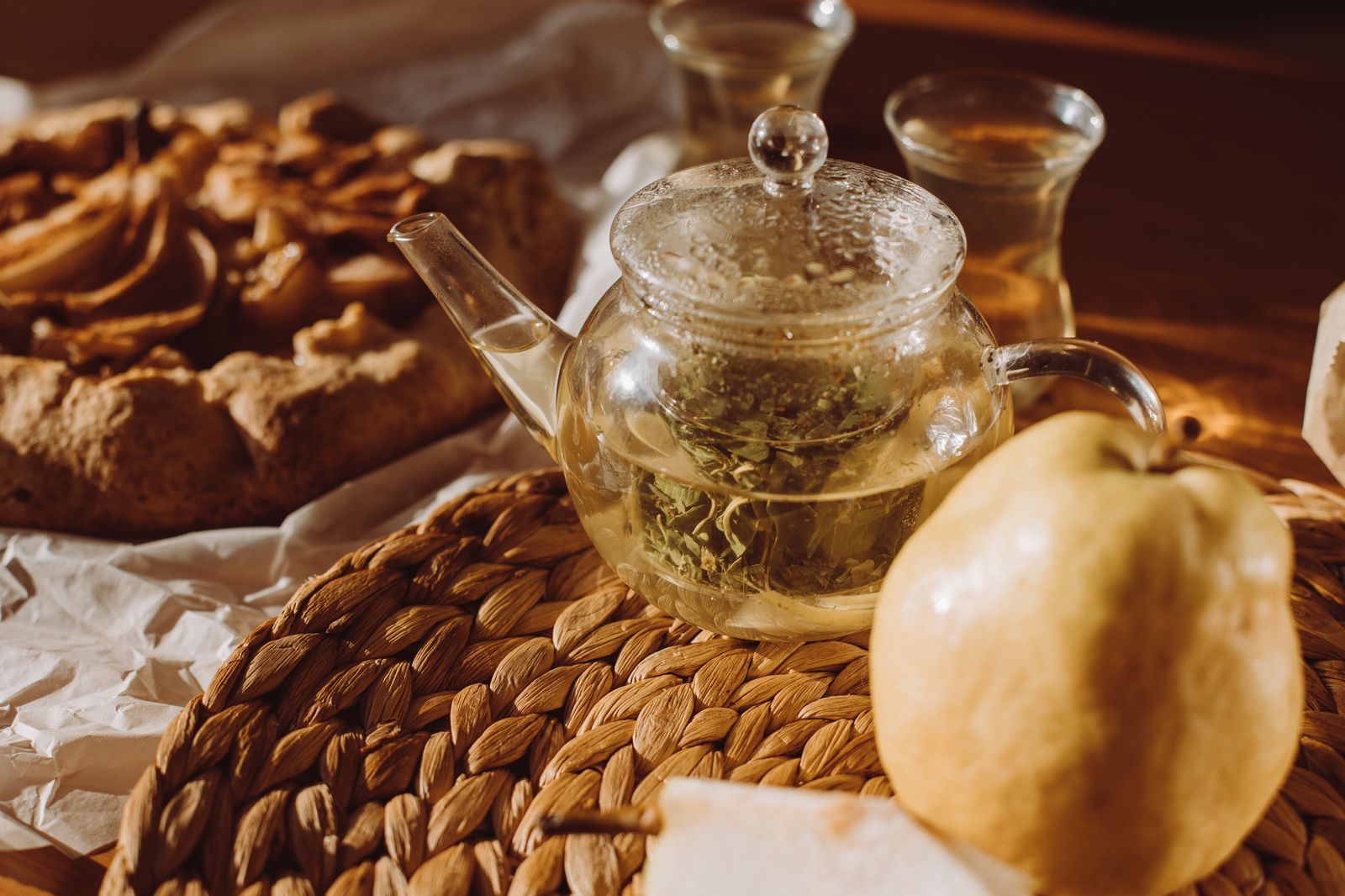
Cover image source: Pexels
The first cold snap arrives, and suddenly your lips crack, your throat feels like paper, and a tickly cough shows up the moment you lie down. In traditional Chinese medicine (TCM), this cluster of symptoms is called autumn dryness (qiu zao, 秋燥) — a seasonal pattern recognized for well over a thousand years. It is a traditional framework for organizing symptoms, not a medical diagnosis, and it works best alongside, not instead of, ordinary medical care (NCCIH overview). Here is how the pattern is understood, what to eat, what to cut back on, and a simple daily routine for the dry weeks ahead.
What Autumn Dryness (Qiu Zao) Means in TCM
Classical TCM maps the year onto five phases, and autumn belongs to Metal — the phase of contraction, withering, and dryness. Its paired organ system is the Lung (肺, fei), described as “the delicate organ” because it sits highest in the body and opens directly to the outside air. The Lung’s job in this model is to govern qi and respiration, disseminate fluids downward and outward, and moisten the skin, nose, and throat.
When dry autumn air takes over, the Lung is traditionally said to be the first system to feel it. Hence dry cough, dry nose, and tight, flaky skin appear together rather than separately. Read the broader picture in the Lung support guide.
The Lung and Large Intestine pair
The Lung’s paired channel is the Large Intestine (大腸, da chang), and the two are treated as one functional unit. Both are fluid-sensitive surfaces that face the exterior: one takes in air, the other releases waste. In the TCM model, when Lung fluids run low, the Large Intestine loses its lubrication and stools become dry, hard, and difficult to pass.
This is why a fall cough and fall constipation so often travel together, and why moistening food therapy traditionally targets both ends of the pair at once. See the constipation acupressure guide for the gut side of the pattern.
Wei Qi, the defensive layer
Wei qi (衛氣) is the defense qi that circulates just under the skin, controlling sweat pores, warming the surface, and guarding against wind and cold. It depends on moisture to stay supple, much the way a well-watered lawn holds its shape. When dryness thins the fluids that anchor wei qi, the defensive layer becomes brittle — you feel chilled easily, your nose dries out, and every breeze seems to reach you. The autumn immunity and wei qi guide goes deeper into this mechanism.
Why dryness peaks at the autumn equinox
Autumn dryness doesn’t arrive all at once. TCM describes a gradual shift: late summer’s lingering dampness drains away, humidity drops, and the air becomes progressively sharper through September and October.
The September equinox falls on September 23, 2026 at 00:05 UTC. In the TCM calendar this turn marks the moment the season’s dry, contractive quality takes hold and daytime moisture in the air begins its steady decline. After the equinox, nights lengthen, indoor heating season begins, and artificial dry air compounds what the weather started.
Traditional guidance therefore front-loads moistening foods in the weeks right after the equinox, before the throat and skin have a chance to dry out.
Cool dryness vs. warm dryness
TCM divides autumn dryness into two patterns, and the distinction changes what you eat. Cool dryness (liang zao, 涼燥) comes with the first genuinely cold air of the season and blends dryness with chill: a dry cough with thin white phlegm, a scratchy throat, mild chills, and no fever. It is treated with warming, moistening foods — cooked pear, ginger, walnut, and warm soups.
Warm dryness (wen zao, 溫燥) arrives during an unseasonable warm, dry spell or an Indian-summer heat wave. It brings a dry cough with scanty yellow phlegm, sore throat, thirst, a red tongue, and a feeling of internal heat. It calls for cooling and moistening foods instead — raw or lightly cooked Asian pear, white fungus, mulberry, and chrysanthemum tea. Getting this polarity right matters more than the specific ingredient list.
How Dryness Shows Up: Common Presentations
The hallmark of autumn dryness is symptoms that feel dry rather than wet — no heavy congestion, no thick discharge, just a scratchy, parched quality that worsens in heated rooms and at night.
- Dry hacking cough — typically non-productive or with only scant sticky phlegm, worse at night and on waking, and often triggered by talking or cold air.
- Dry throat and dry nose — a raw, tickling sensation; the nostrils feel crusted, and nosebleeds can occur when the membranes crack.
- Chapped lips — splitting at the corners, unresponsive to lip balm alone because the underlying fluid level is the issue.
- Dry, tight skin and eczema flares — flaking, itching, and a papery texture, especially on the shins, forearms, and hands. See the eczema guide for the skin-specific view.
- Dry, gritty eyes — a sandy feeling, burning on screen use, and paradoxically watery eyes as the surface tries to compensate. The eye health guide covers this in detail.
- Dry, hard stools and constipation — the Large Intestine half of the Lung pair, as described above.
- Thirst at night — waking at 2 or 3 a.m. with a dry mouth, often with a need to sip water. Read the organ clock guide for the timing logic.
- Dry, brittle hair and scalp — increased shedding in fall is traditionally attributed to the same fluid deficit, since hair is nourished by blood and yin.
None of these signs is dangerous on its own. What matters is the pattern: several appearing together, in the same season, responding to the same moistening habits.
Foods That Moisture the Lungs and Nourish Yin
TCM food therapy classifies foods by temperature, flavor, and direction of action. For autumn dryness the target is sweet, slightly cool, and moistening — foods that add fluid and slip rather than dry and tighten. Below is the everyday working list.
| Food | TCM action | Simple prep ideas |
|---|---|---|
| Asian pear (bai li, 白梨) | The classic autumn fruit — cools heat, moistens the Lung, stops dry cough | Eaten raw for warm dryness; steamed or double-boiled with rock sugar for cool dryness |
| White fungus (yin er, 銀耳) | Moistens the Lung and Stomach, nourishes yin, traditionally soothing for dry throat | Soak 2 hours, simmer 40–60 min with pear and rock sugar until gelatinous |
| Lily bulb (bai he, 百合) | Nourishes Lung and Heart yin, calms a dry nighttime cough | Simmer in soups, congee, or with white fungus and honey |
| Honey | Moistens the throat and Lung, gently lubricates the intestines | Stir into warm — never boiling — water, tea, or congee |
| Black sesame (hei zhi ma, 黑芝麻) | Nourishes yin and blood, moistens the intestines, benefits dry hair | Ground into a powder; add to oatmeal, congee, or warm milk |
| Walnut (he tao, 核桃) | Warms and nourishes the Lung and Kidney, traditionally used for dry cough with chill | 3–5 nuts daily, or simmered with pear and a little honey |
| Mulberry (sang shen, 桑椹) | Nourishes yin and blood, moistens dryness | Dried as a snack, or brewed as tea; excellent for dry eyes |
| Monk fruit (luo han guo, 羅漢果) | Sweet, cooling, moistens the throat, traditionally used for hoarseness | Crack a quarter of the fruit and steep in hot water for a natural sweetener |
| Lotus root | Clears heat while moistening, without being cloying | Sliced into soup or juiced fresh |
| Tofu, soy milk, eggs, millet | Mild yin-nourishing staples with protein | Keep them as the base of meals so moistening foods aren’t the whole plate |
A useful rule of thumb: for every dry, roasted, or spicy item on the plate, add one moistening item. Apple slices with walnuts, pear with pork, or congee with sesame does the job without any special shopping.
What to Cut Back On in Autumn
Cutting back is as important as adding, because drying foods undo the moistening ones.
- Spicy and pungent food — chili, heavy garlic, dry-fried spice blends, and hot sauces scatter fluids and, in TCM terms, dry the Lung. This is the single most common reason autumn dryness drags on.
- Fried, roasted, and dry-baked foods — chips, crackers, dry-roasted nuts, and toast pull moisture out in TCM thinking. Prefer simmered, steamed, and stewed preparations. The medicinal soups guide is a good seasonal template.
- Alcohol — strongly drying and heating; beer, spirits, and wine all aggravate nighttime thirst and a dry cough.
- Excessive raw-cold food and iced drinks — if you run cold or have cool dryness, too much salad, cold fruit, and ice slows digestion and blocks the moistening foods from being absorbed.
- Environmental drying — indoor heating and air conditioning strip humidity; long, very hot showers and harsh soaps strip the skin’s own oils. Lower the thermostat a little, add a humidifier, and shorten hot showers.
- Excess caffeine and salty snacks — both increase fluid loss, and salt especially tightens tissue.
Three Simple Food Therapy Recipes
1. Double-Boiled Asian Pear with Rock Sugar
The most familiar autumn remedy, gentle enough for children and safe for daily use during a dry spell.
Ingredients
- 1 Asian pear
- 1 small piece rock sugar (about 15 g)
- 3 cups water
- Optional: a few goji berries
Steps
- Core the pear and cut it into wedges, leaving the skin on.
- Place the pear, rock sugar, and water in a heatproof bowl.
- Steam or double-boil, covered, for 45 minutes.
- Drink the liquid warm and eat the softened pear.
Best for a dry, tickly cough with a sore throat. Use less sugar if you are watching blood glucose, and keep apricot kernels — if you add them at all — to small culinary amounts, since larger quantities are toxic.
2. White Fungus, Lily Bulb, and Pear Soup
A gentler, more deeply moisturizing version for ongoing dryness.
Ingredients
- 1 small head white fungus
- 30 g dried lily bulb
- 1 Asian pear
- ½ cup rock sugar
- 8 cups water
- Optional: 5 red dates
Steps
- Soak the white fungus for 2 hours and trim its hard base.
- Simmer the white fungus with the lily bulb and red dates for 45 minutes.
- Add the diced pear and rock sugar.
- Simmer 20 more minutes until the liquid turns silky.
Serve warm or at room temperature. White fungus thickens the broth with natural gelatinous compounds, which is exactly the “moistening” quality TCM is after.
3. Lily Bulb and Pork Soup
A savory option for people who can’t handle sweets, and a good way to feed both halves of the Lung–Large Intestine pair.
Ingredients
- 250 g lean pork or pork ribs
- 30 g dried lily bulb
- 1 carrot
- 2 slices fresh ginger
- 8 cups water
- Salt to taste
Steps
- Blanch the pork briefly in boiling water, then drain.
- Add the pork to fresh water with the ginger and simmer 40 minutes.
- Add the lily bulb and carrot and simmer 30 more minutes.
- Season lightly and serve.
Mild, warming, and suitable for cool dryness. Pair it with rice so the meal stays balanced rather than soup-only.
Herbal Teas for Fall
These are gentle kitchen teas, not prescriptions. Steep, strain, and drink within the same day.
- Chrysanthemum and goji tea — 6–8 dried chrysanthemum flowers with 1 tbsp goji berries in hot water, 5 minutes. Cooling and moistening; traditionally used for dry, red, tired eyes. Skip if you run very cold or have loose stools.
- Mulberry leaf and mint tea — 5 g mulberry leaf with 3 g dried mint, steeped 5 minutes. A traditional formula for early dryness with a scratchy throat and mild congestion. It is mildly cooling, so reduce it if you feel chilled.
- Sterculia and fig tea — 2 sterculia seed pods and 2 dried figs, simmered or steeped 10 minutes, sweetened with a quarter of a monk fruit. Traditionally used for dry throat and hard stools. Do not use sterculia during pregnancy, and avoid it if you have an intestinal obstruction or unexplained abdominal pain.
- Monk fruit and pear peel tea — simmer pear peel with a quarter monk fruit for 15 minutes; naturally sweet, no added sugar.
Cautions: Teas should be sipped warm and in moderation. If you take prescription medication — especially blood thinners, blood-pressure drugs, or immunosuppressants — check with a pharmacist before regular herbal teas, because interactions are possible. Anyone pregnant, nursing, or managing a chronic condition should consult a licensed practitioner before using herbs, and purchased herbs vary widely in quality and purity. The NCCIH’s herbal guidance and its herb-by-herb list are useful starting references.
Acupressure Routine for the Lung Yin
Acupressure applies steady fingertip pressure to the same points used in acupuncture. Press each point with the pad of your thumb or index finger until you feel a distinct, comfortable ache — not sharp pain — and hold for 1–2 minutes, breathing slowly. Work both sides of the body for paired points. The evidence base for acupressure overall is modest and best documented for nausea and pain rather than dryness (NCCIH on acupuncture).
- LU9 Taiyuan (太淵) — at the wrist crease on the thumb side, in the hollow just below the thumb bone. The Lung channel’s source point; traditionally used for dry cough, sore throat, and weak voice.
- LU7 Lieque (列缺) — about 1.5 finger-widths above the wrist crease on the thumb side, on the edge of the forearm bone. A Lung point that traditionally “opens the throat” and releases the exterior — useful for a scratchy throat and stiff neck.
- KI6 Zhaohai (照海) — in the hollow just below the inner ankle bone. The Kidney channel point paired with LU7 in the traditional Taiyin–Kidney combination for dry throat. Press LU7 and KI6 together, one hand and the opposite ankle, for 2 minutes.
- ST36 Zusanli (足三里) — four finger-widths below the kneecap, one finger-width toward the outside of the shinbone. Builds qi and blood so that moistening foods are actually absorbed and converted.
- LI4 Hegu (合谷) — in the fleshy web between thumb and index finger. Moves qi and clears heat; avoid during pregnancy, as it is traditionally considered to stimulate labor.
A simple sequence for a dry evening: LU9 (1 minute per wrist) → LU7 with the opposite KI6 (2 minutes) → ST36 (2 minutes per leg) → LI4 (1 minute per hand). Roughly 8–10 minutes total. Doing it once in the late afternoon and once before bed fits the pattern best, since dryness and the cough both worsen at night.
Cautions: Do not press on broken, bruised, infected, or inflamed skin, or over varicose veins. Avoid LI4 and SP6 during pregnancy. Stop if pressure causes sharp pain, numbness, or tingling that persists. Acupressure is a supportive self-care habit, not a treatment for lung disease.
Daily Habits That Make the Difference
Run a humidifier. Keep bedroom and living areas around 40–50 percent relative humidity, and clean the humidifier reservoir every few days to prevent mold growth. This single habit often does more than any food.
Drink warm fluids steadily. Sip warm water, soups, and teas through the day rather than gulping cold drinks. Pale-yellow urine is a reasonable practical signal of adequate hydration (MedlinePlus on dehydration).
Sleep earlier in fall. The Lung’s peak in the traditional organ clock is 3–5 a.m., and waking then with a dry cough is a classic sign. Going to bed before 11 p.m. is the traditional recommendation for protecting yin in autumn; see the sleep guide.
Move gently and don’t overdress for sweat. Walking, tai chi, and qigong keep qi moving without heavy sweating, which TCM considers drying. Sweat-soaked clothes in cold air combine dryness and cold.
Protect the surface. A scarf over the neck and a little lip balm and oil-based moisturizer after showering help the skin hold its own moisture. Choose lukewarm rather than very hot showers.
Watch nighttime mouth breathing. A blocked nose forces mouth breathing, which dries the throat badly. Saline nasal spray or a humidifier, and treating allergies properly, matter more than any tea here.
When to See a Doctor
TCM food therapy and acupressure are supportive habits. Certain symptoms need medical assessment promptly, and a traditional pattern framework does not replace it.
- A cough lasting more than 3 weeks, or any cough that keeps worsening (MedlinePlus on cough).
- Coughing up blood, or blood-streaked sputum.
- Unexplained weight loss, night sweats, or persistent fever.
- Breathlessness at rest, chest pain, or wheezing that is new.
- A dry mouth that never improves, especially with excessive thirst and frequent urination, or with eye dryness severe enough to affect vision.
- Chronic constipation that does not respond to fluid, fiber, and activity, or comes with rectal bleeding.
If you are considering concentrated herbs or patent formulas rather than kitchen teas, consult a licensed practitioner. Herbs are biologically active, they can interact with prescription drugs, and quality varies — self-prescribing is not a safe shortcut.
FAQ
Is autumn dryness a real diagnosis? No. Qiu zao is a seasonal pattern in a traditional framework, describing a cluster of dry symptoms appearing in fall. It is useful for organizing food and lifestyle choices, but a medical diagnosis requires a clinician.
How is cool dryness different from warm dryness in practice? Cool dryness feels chilly: a dry cough with thin white phlegm, mild chills, and no thirst for cold drinks. Warm dryness feels hot: a sore throat, thirst, scanty yellow phlegm, and a red tongue. Choose warming moistening foods for the first and cooling moistening foods for the second.
Can I just drink more water? Water helps, and daily warm fluids are central. In the TCM model, though, dryness is about the body’s ability to retain and distribute fluids, which is why cooked, moistening foods such as pear, white fungus, and congee are emphasized alongside plain water.
Is raw pear or cooked pear better? Raw Asian pear is more cooling and suits warm dryness — a sore throat with thirst. Steamed or double-boiled pear with rock sugar is more nourishing and suits cool dryness and a lingering dry cough.
How long does it take to notice a difference? Moistening food therapy is traditionally described as cumulative. Most people following the habits consistently report the throat and skin settling over one to two weeks, though the timeline varies with climate, indoor heating, and overall health.
Can children use these foods and points? The foods above are ordinary foods and are generally suitable in age-appropriate amounts, though honey should not be given to infants under one year. For acupressure on children, use very light pressure, and check with a pediatric clinician about persistent cough or dryness.
Does acupressure replace acupuncture? No. Acupressure uses the same points and is a low-risk self-care option, but it is not equivalent to treatment by a licensed practitioner. Some evidence supports acupressure for nausea and pain; evidence for dryness symptoms specifically is limited.
Should I stop my prescribed medication to try herbs? Never. Do not stop or change prescribed treatment to pursue herbs or diet. TCM works as complementary care alongside medical treatment, and any herbs should be reviewed by both your herbalist and your physician.
The Bottom Line
Autumn dryness in TCM is a seasonal pattern, not a disease: dry air meets a fluid-sensitive Lung–Large Intestine system, and the result shows up as a dry cough, dry throat, chapped lips, tight skin, dry eyes, and hard stools. The traditional response is consistent and unglamorous — moistening foods like Asian pear, white fungus, lily bulb, sesame, walnut, and mulberry; fewer spicy, fried, and drying foods; warm fluids and a humidifier; earlier sleep; and a short daily acupressure routine on LU9, LU7, KI6, ST36, and LI4.
Get the polarity right by deciding whether this fall feels cool-dry or warm-dry, and act in the weeks right after the September equinox rather than waiting for symptoms to settle in. For related reading, see the autumn Lung dryness eating guide, the Lung-nourishing foods and habits guide, and the autumn wellness overview.
This article is educational only and is not medical advice. For authoritative information, see the NCCIH overview of traditional Chinese medicine and acupuncture. If you have a persistent cough, unexplained weight loss, or coughing blood, see a clinician promptly.