TCM Autumn Wellness: How to Beat Autumn Dryness with Lung-Nourishing Foods and Daily Habits
The air turns crisp, the leaves turn gold, and your throat starts to tickle for no obvious reason. In traditional Chinese medicine, that tickle has a name: autumn dryness (秋燥), the seasonal force that dries the lungs from the inside out. If you want to dodge dry coughs, flaky skin, and the first cold of the season, TCM autumn wellness offers a clear playbook — eat lung nourishing foods, drink the right teas, and adjust a few daily habits while the season lasts.
Here is what autumn dryness TCM theory actually says, which foods genuinely help, and a simple routine you can begin today.
What Autumn Dryness Does to Your Lungs
Autumn dryness is not a metaphor. TCM describes it as a pathogen that attacks the body in two ways: it drains fluids and it targets the lungs. Because the lungs sit at the top of the body and open into the nose and throat, they feel dry air first.
Typical signs of autumn dryness build over weeks rather than days:
- A dry, tickly cough with little or no phlegm
- A scratchy throat and a parched feeling inside the nose
- Dry, itchy skin, chapped lips, and hair that feels coarser
- Waking up with a dry mouth, even after drinking water
- Constipation — the lungs and large intestine are paired in TCM, so lung dryness travels downward
In the TCM framework, seasonal dryness may deplete lung yin, the traditional concept associated with moisture and cooling. Food, tea, and rest are traditionally used to support this pattern, but they do not prevent respiratory infections.
Why Autumn Belongs to the Lungs: The Metal Element
In the Five Elements framework, autumn is the season of Metal. Metal governs structure, refinement, and letting go — think harvest, fallen leaves, and air that sharpens with the cold. In the body, Metal rules two paired organs: the Lungs and the Large Intestine.
The lungs are called the “tender organ” (嬌臟) because they respond to environmental change faster than any other organ. The skin, nose, and throat are considered their outer windows, which is why autumn dryness lands there first. When you protect the lungs in fall, you are also protecting the immune surface that stands between you and winter viruses.
Five Lung-Nourishing Foods and Exactly How to Use Them
The principle is simple: moistening foods build fluids; spicy, fried, and iced foods drain them. These five foods are the workhorses of autumn eating, each with a concrete way to use it this week.
1. Pear — the classic autumn fruit
Steam a sliced pear with a teaspoon of honey or a little rock sugar for 15 minutes, and eat it warm with the juice. This is a traditional comfort food for a dry, tickly cough; it is not a treatment for persistent or worsening respiratory symptoms.
2. White fungus (snow fungus)
Soak dried white fungus for two hours, tear it into small pieces, and simmer it with goji berries for 40 minutes until the broth turns thick and gelatinous. The result is a bowl of collagen-like soup that nourishes lung yin and keeps skin plump from the inside.
3. Honey
Honey soothes a raw throat and moistens dryness, and a spoonful in warm water each morning is the simplest lung habit there is. Use it in place of sugar in tea, or stir it into oatmeal. Keep it away from boiling water — heat destroys its enzymes.
4. Almonds
A small handful of almonds (or apricot kernels, the traditional choice) makes an easy snack that gently moistens the lungs and eases dry coughs. Soak them overnight for easier digestion, and add ground almonds to congee for a breakfast that sticks.
5. Root vegetables
Carrots, sweet potatoes, lotus root, and daikon radish are the grounding foods of the season. Roast them, simmer them into soups, or grate raw daikon into a salad — their natural sweetness and moisture support lung and stomach fluids while warming the body as the nights cool.
Cut back on chili, deep-fried food, alcohol, and iced drinks while you do this. In autumn, the lungs prefer warmth: favor warm soups and warm water over anything cold.
The Chrysanthemum-Goji Tea That Fights Dryness
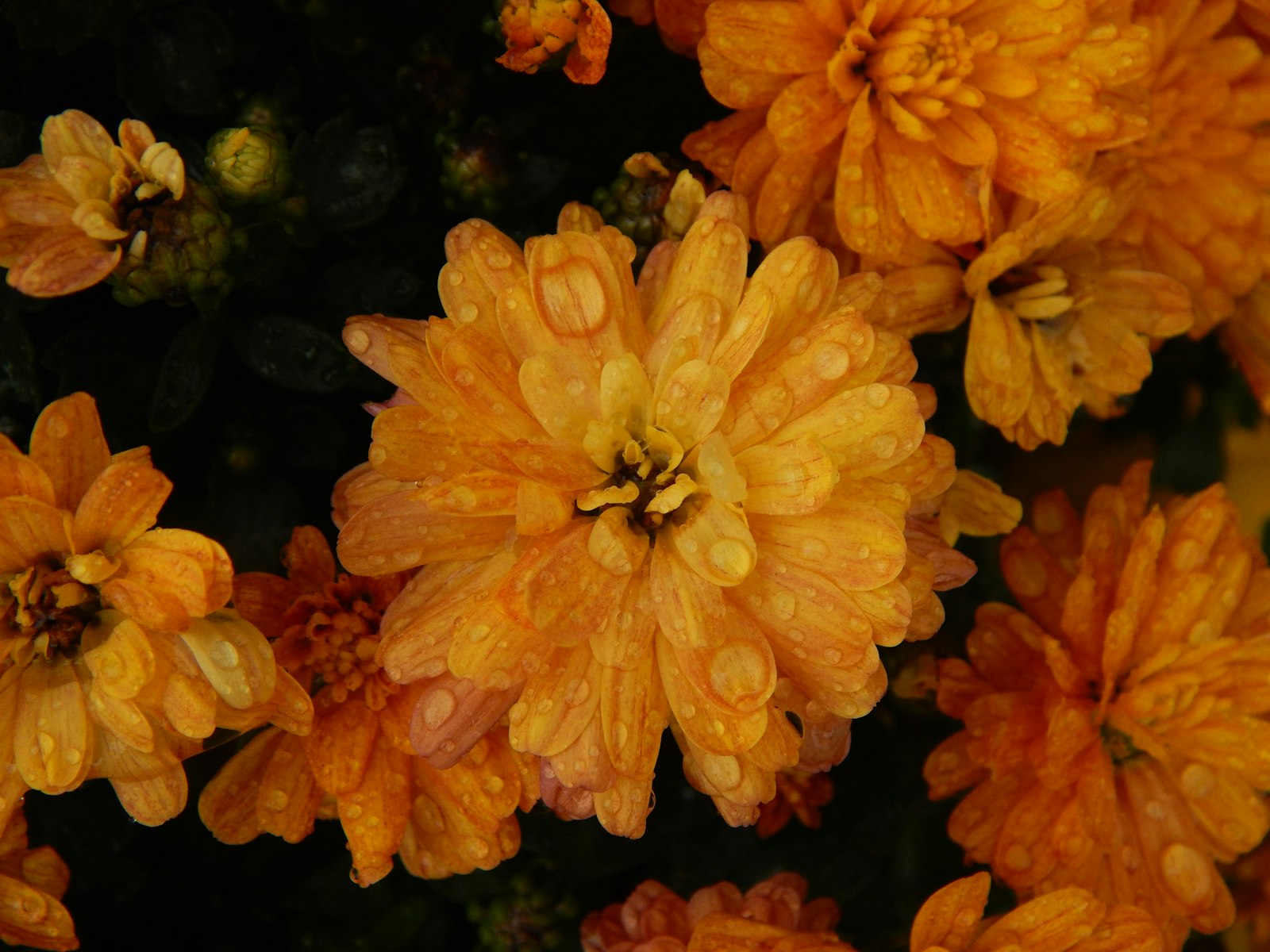
Chrysanthemum clears wind-heat and soothes the throat; goji berries gently nourish lung and liver yin. Together they are the classic autumn cup.
To brew: place 6–8 dried chrysanthemum flowers and 10–12 goji berries in a cup, pour in hot water, and steep for five minutes. Drink one to two cups a day, sweetened with a little honey if you like. For a stronger lung focus, add a few slices of fresh pear or one slice of dried licorice root to the pot.
Daily Habits That Match the Season
Food matters, but habits decide whether the food works. Adjust these four things and the season stops fighting you.
Sleep earlier
Classic texts advise going to bed early and rising with the sun in autumn. Aim for lights out between 10 and 11 p.m. — earlier than summer, later than winter — and keep mornings slow. Sleep is when the body repairs the fluids dryness takes away.
Protect the neck
Wind enters through the back of the neck, and TCM considers it the body’s weatherproof collar. A scarf, a high collar, or a hooded jacket on breezy days is autumn’s cheapest health tool. Pay special attention after rain or wind.
Layer, don’t overheat
Autumn temperatures swing wildly between morning and afternoon. Wearing layers lets you shed warmth instead of sweating through the day — sweating in cool air invites wind, which TCM ranks as a primary cause of colds. Keep a light jacket in your bag until the season settles.
Move gently
Vigorous exercise that leaves you dripping is counterproductive in dry air; it drains fluids faster than they can be replaced. Choose brisk walks, tai chi, qigong, or slow yoga, and finish each session with a few minutes of deep breathing. Try inhaling through the nose for four counts and exhaling slowly through pursed lips for six — ten rounds is enough to settle lung qi.
Your Autumn Dryness Checklist
- Eat pear, white fungus, honey, almonds, and root vegetables weekly; cut spicy, fried, and iced.
- Brew chrysanthemum-goji tea daily and sip it warm.
- Sleep by 10–11 p.m. and protect your neck with a scarf on windy days.
- Layer clothing and move gently — walk, qigong, or tai chi over hard cardio.
- Drink warm water steadily and moisturize skin right after showering.
Start with one habit tonight — a warm pear snack, an earlier bedtime, or a cup of chrysanthemum tea — and let the rest follow. Small consistent steps are how TCM autumn wellness works, because the lungs respond to what you do every day, not once in a while.
Further reading: for the deeper theory behind the season, see our guide to autumn lung dryness and seasonal eating and autumn immunity and Wei Qi in TCM. To stock your autumn kitchen, browse fresh pears on Amazon, dried white fungus on Amazon, or dried chrysanthemum flowers on Amazon.
🌿 A gentle note from us
The practices shared here are rooted in Traditional Chinese Medicine traditions that have been passed down for thousands of years. We share them as educational resources — not as prescriptions or medical advice.
Every body is different. What brings balance to one person may not be right for another. Please listen to your body, go gently, and check with a qualified healthcare provider before trying any new wellness practice — especially if you are pregnant, managing a chronic condition, or have specific health concerns.
Some links on this site are affiliate links. If you choose to purchase through them, we may earn a small commission at no extra cost to you. This helps us continue sharing ancient wisdom for modern wellness. Thank you for your trust.
Health & Safety Notes
- This content is educational wellness information, not medical advice or diagnosis.
- Suitable for: general adult self-care reference.
- Consult a qualified practitioner before use if you are pregnant, nursing, have a chronic condition, take medication, or treat children.
- Red flags — seek medical care if: symptoms are severe, worsening, or persistent; sudden or unexplained pain; fever; numbness/weakness.
- Information reviewed: 2026-09. Sources: traditional Chinese medicine references and general wellness literature.