TCM for Anemia and Blood Deficiency: Spleen–Heart Nourishment, Iron-Rich Food Therapy, and Acupressure (2026 Guide)
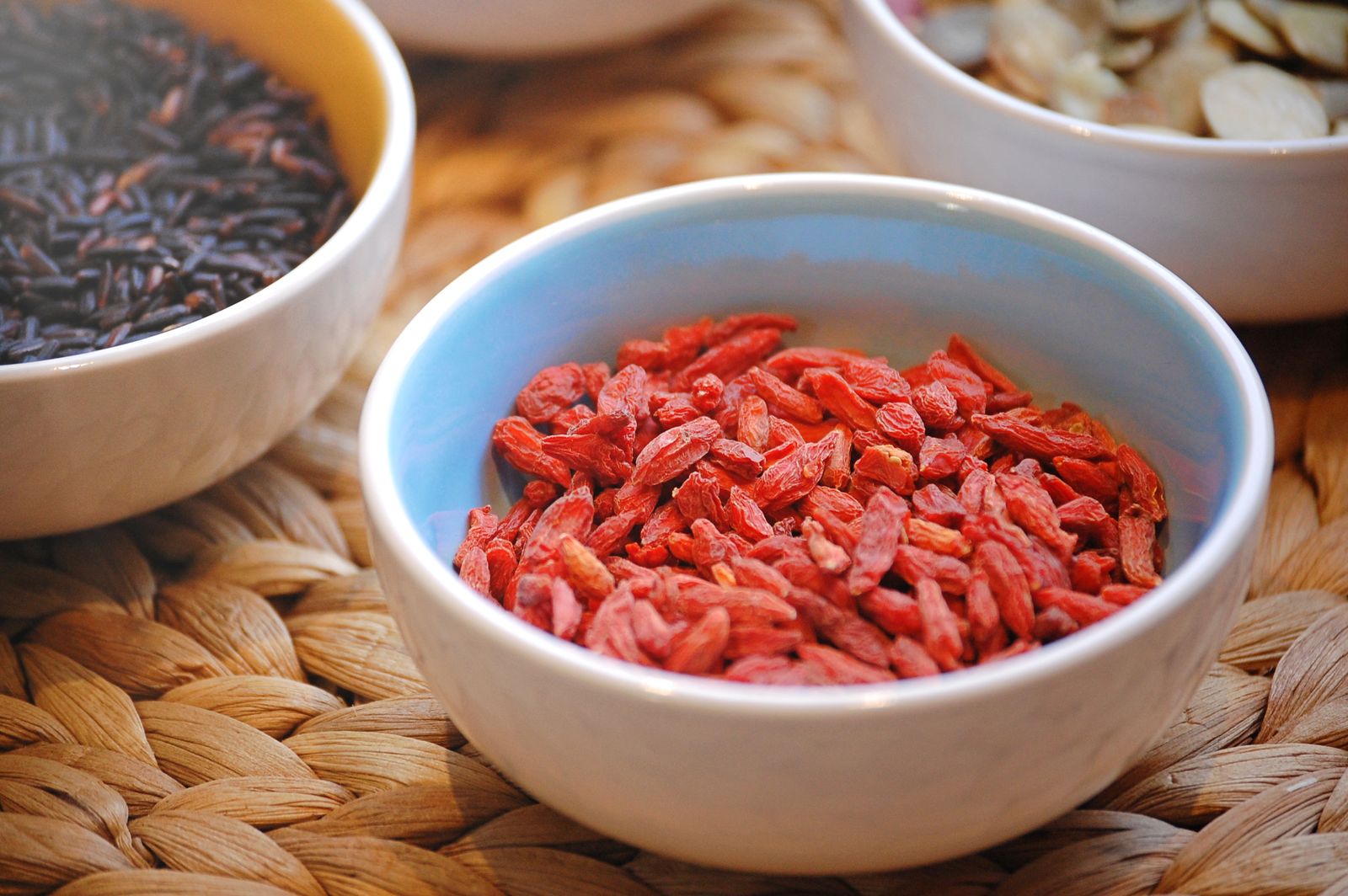
Cover image source: Pexels
You stand up from a chair and the room tilts for a second. Your lips look pale, your thinking feels foggy, and coffee only patches the tiredness. In traditional Chinese medicine (TCM), this cluster often points to blood deficiency (xue xu, 血虛) — a pattern concept from a 2,000-year-old tradition, not a laboratory diagnosis. A TCM pattern and a biomedical anemia diagnosis describe different things, and they can disagree in either direction (NCCIH overview).
What “Blood Deficiency” Means in TCM — and What It Doesn’t
In the TCM model, blood (xue, 血) is not just red cells and hemoglobin. It is the substance that moistens tissues, anchors the mind, and feeds the eyes, hair, nails, and sinews.
Blood deficiency is a pattern, not a lab result. Someone with a normal CBC and normal ferritin can still show the classic picture — pale complexion, dry skin, light periods, restless sleep. Someone with confirmed iron-deficiency anemia may instead present in TCM as spleen qi deficiency or dampness. The frameworks overlap in symptoms but are measured in completely different ways, so a TCM assessment never replaces a blood test, and a normal blood test never makes the pattern irrelevant.
See a Doctor First: Red Flags Worth Testing
If you have ongoing tiredness, pale skin or inner eyelids, breathlessness on stairs, ice cravings (pica), or unusually heavy periods, ask for a complete blood count (CBC) plus ferritin, vitamin B12, and folate. Those four tests cover most nutritional anemia causes, and heavy periods deserve a gynecologist’s review too.
Do not self-treat suspected anemia with high-dose iron. Iron is not a harmless vitamin. With hereditary hemochromatosis — a common genetic trait — or already-adequate stores, extra iron accumulates in the liver, heart, and pancreas and can cause organ damage. Supplementation belongs after a confirmed deficiency, at a dose your clinician chooses.
Red flags that mean urgent care, not food therapy: chest pain, fainting, black or bloody stools, a racing heart at rest, or breathlessness while sitting still.
The Three Common TCM Patterns
Blood deficiency rarely appears alone. The Spleen, Heart, and Liver are the patterns that matter most, and a weak Spleen is usually the root — if food is not converted into blood, iron-rich eating cannot help until digestion improves. The spleen and stomach guide pairs naturally with everything below.
| Pattern | Key signs | TCM logic | Food direction |
|---|---|---|---|
| Spleen Qi Deficiency (脾氣虛) | Poor appetite, loose stools, bloating, tiredness that worsens after eating, pale tongue with scalloped edges | The Spleen “manufactures” blood from food; weak digestion means raw material never gets converted | Warm, cooked, easy-to-digest meals — congee, soups, steamed vegetables, small frequent portions |
| Heart Blood Deficiency (心血虛) | Palpitations, insomnia, poor memory, anxiety, pale tongue, sallow complexion | Blood “houses the mind” (shen); when it is thin, the mind has nothing to rest on | Red dates, longan, liver, egg yolk, leafy greens, alongside calming evening meals |
| Liver Blood Deficiency (肝血虛) | Blurry vision, dry eyes, scanty or light periods, muscle cramps, brittle nails | The Liver stores the blood and opens into the eyes; low blood shows in vision and sinews | Dark leafy greens, black sesame, liver, black beans, adequate protein and iron |
Food Therapy: What to Eat, and How to Eat It
Build the meal around cooked food
Warm, cooked food is the backbone of TCM food therapy for weak digestion. Raw salads, cold smoothies, and iced drinks demand more digestive work and are traditionally reduced when the Spleen is deficient. Congee — rice or millet simmered until it breaks down — is the classic delivery system, gentle enough for a weak Spleen and easy to load with blood-nourishing ingredients.
Red date and longan congee: simmer ½ cup rice with 6–8 pitted red dates (hong zao, 紅棗) and a small handful of longan (long yan rou, 龍眼肉) until soft.
The iron-rich staples
- Liver and lean red meat — the most absorbable heme iron; beef liver is exceptionally dense, so keep portions modest and occasional.
- Dark leafy greens and spinach — plant iron, best paired for absorption.
- Black beans and other legumes — iron plus protein and fiber.
- Black sesame (hei zhi ma, 黑芝麻) — traditionally blood-nourishing; grind it so the nutrients are accessible.
- Egg yolk, oysters, and small dried fish — iron with B12, an essential partner for blood building.
The vitamin C pairing rule
Plant iron absorbs poorly on its own. Eat it with vitamin C — citrus, bell pepper, tomato, broccoli, or kiwi — and absorption rises substantially.
What to avoid around iron-rich meals
- Strong tea and coffee — tannins bind iron; keep a one-hour gap on either side of the meal.
- Excess calcium — large doses, including supplements and big glasses of milk, compete with iron; separate them by a couple of hours.
- Antacids and acid blockers — reduced stomach acid lowers iron uptake, so talk to your clinician if you take them long term.
One easy upgrade: cook in cast iron
Simmering acidic foods — tomato sauce, stews, curries — in a cast-iron pan leaches iron into the food and raises its iron content. For more TCM cooking ideas, see the medicinal soups guide.
Gentle Herbal Support
Classical blood-nourishing formulas draw on a small set of herbs.
- Dang gui (當歸) — the archetypal blood tonic; warming, traditionally used for scanty periods and pale complexion.
- Huang qi (黃耆) — a qi tonic that supports the Spleen’s ability to generate blood.
- Shu di huang (熟地黃) — deeply nourishing, common in blood-deficiency formulas.
- Long yan rou (龍眼肉) — longan flesh; gentle, sweet, and traditionally calming to the Heart.
These herbs are not meant to be self-assembled. A qualified practitioner selects them together with their partners and doses them for your pattern. Dang gui, for example, is traditionally avoided during pregnancy and can interact with blood thinners such as warfarin; huang qi can interact with immunosuppressants. Bring any herbs you take to every clinician you see.
A Daily Acupressure Routine (5–10 Minutes)
Acupressure uses steady fingertip pressure on the same points used in acupuncture. Sit comfortably and press each point for one to two minutes, on both sides of the body where paired, until you feel a distinct ache rather than sharp pain.
- ST36 Zusanli — four finger-widths below the kneecap, one finger-width toward the outside of the shinbone. The classic point for building qi and blood.
- SP6 Sanyinjiao — three finger-widths above the inner ankle bone, just behind the shinbone’s inner edge. A key blood point; avoid during pregnancy, as it is traditionally used to encourage labor.
- LI4 Hegu — in the fleshy web between thumb and index finger. Moves qi and relieves tension; contraindicated in pregnancy.
- BL20 Pishu — about two finger-widths out from the spine at the eleventh vertebra. Easier to press with a partner’s help.
- BL17 Geshu — two finger-widths from the spine at the eighth vertebra. The classical “blood meeting” point.
- HT7 Shenmen — at the wrist crease on the little-finger side, in the hollow below the bone. Calms the mind and helps with sleep.
A simple sequence: ST36 (2 minutes per leg) → SP6 (1 minute per leg) → LI4 (1 minute per hand) → HT7 (1 minute per wrist) → BL20 and BL17 (1–2 minutes each). Roughly eight minutes, covering the Spleen, Heart, and blood points in one pass.
Lifestyle: Sleep, Movement, and Warmth
Sleep before 11 p.m. — TCM associates deep night hours with replenishing blood and yin.
Move gently. Tai chi, walking, and qigong build qi without burning through it; intense endurance training and heavy sweating are traditionally considered depleting for someone short on blood.
Stay warm. Cold contracts and slows circulation, so warm socks, a warm lower back, and warm cooked food all support the pattern.
Go easy on raw and cold food. Steamed, sautéed, and simmered forms are easier on a weak Spleen than raw dishes and iced drinks; when digestion is strained, the conversion of food into blood slows first.
A 7-Day Eating Pattern
Use this as a template, not a rulebook. The point is the rhythm of warm, cooked, iron-rich meals with vitamin C pairing.
| Day | Breakfast | Lunch | Dinner | Iron support |
|---|---|---|---|---|
| 1 | Red date and longan congee | Beef and spinach bowl with tomato | Black bean and vegetable stew | Tomato vitamin C + cast iron |
| 2 | Millet congee with black sesame | Lentil soup with bell pepper | Steamed fish, greens, rice | Bell pepper vitamin C |
| 3 | Oatmeal with ground sesame and dates | Chicken liver pâté on toast | Tofu, broccoli, and rice | Citrus after lunch |
| 4 | Congee with goji and dates | Beef stir-fry with broccoli | Black bean soup with kale | Broccoli vitamin C |
| 5 | Egg and spinach scramble | Lentil and tomato stew | Steamed fish with black sesame greens | Tomato vitamin C |
| 6 | Red date congee | Lean lamb and carrot stew | Black bean and tempeh bowl | Citrus after dinner |
| 7 | Oatmeal with longan and dates | Beef and pepper stir-fry | Millet congee with black sesame, light fish | Bell pepper vitamin C |
FAQ
Can I take iron pills together with Chinese herbs? Space them at least two hours apart, and tell both your herbalist and your doctor about everything you take. Some herbs and tannins can reduce iron absorption, and other combinations are simply unknown, so a clinician who sees the full list is the safest guide.
Is dang gui safe to take daily? Dang gui is traditionally used in formulas rather than continuously on its own, and it is avoided in pregnancy and by people on blood thinners. “Safe daily” depends on your pattern, dose, and medications, so have a qualified practitioner set it.
Does acupressure really work? Acupressure is low-risk, and some studies suggest it can help with symptoms such as nausea and pain; evidence for blood-deficiency symptoms specifically is limited. Treat it as a gentle supportive habit, not a treatment for anemia itself.
How long until I feel better? Iron-deficiency anemia treated medically typically improves over weeks to a few months, depending on cause and severity. TCM food and acupressure are traditionally described as cumulative.
Should I stop my prescribed iron or medication? No. Never stop a prescribed treatment to pursue herbs or diet. TCM works as complementary care alongside medical treatment, not as a replacement for it.
The Bottom Line
Blood deficiency in TCM is a pattern of insufficient nourishment showing up in pallor, fatigue, poor sleep, and thin periods — a different lens than an anemia diagnosis, not a substitute for one. Start with a CBC, ferritin, B12, and folate if you have symptoms, and never self-dose high iron.
From there, the traditional toolkit is gentle and cumulative: warm cooked meals built on red dates, longan, liver, black beans, black sesame, and greens; vitamin C with plant iron; cast-iron cooking; and a short daily acupressure routine on ST36, SP6, LI4, BL20, BL17, and HT7. For related patterns, see the kidney and jing guide and the menopause herbs and acupressure guide.
This article is educational only and is not medical advice. For authoritative information, see the NIH Office of Dietary Supplements on iron and the NCCIH overview of traditional Chinese medicine. If you have symptoms of anemia, see a clinician before changing your diet or supplements.