TCM for Diabetes & Blood Sugar: The Xiaoke (消渴) FrameworkSep 10, 2026Xiaoke (消渴), the wasting-thirst framework behind TCM views of diabetes and blood sugar: the three consumptions, yin deficiency with dryness-heat, food therapy, herbs, and ST36, SP6, SP9 and KI3 acupressure.Read the guide→
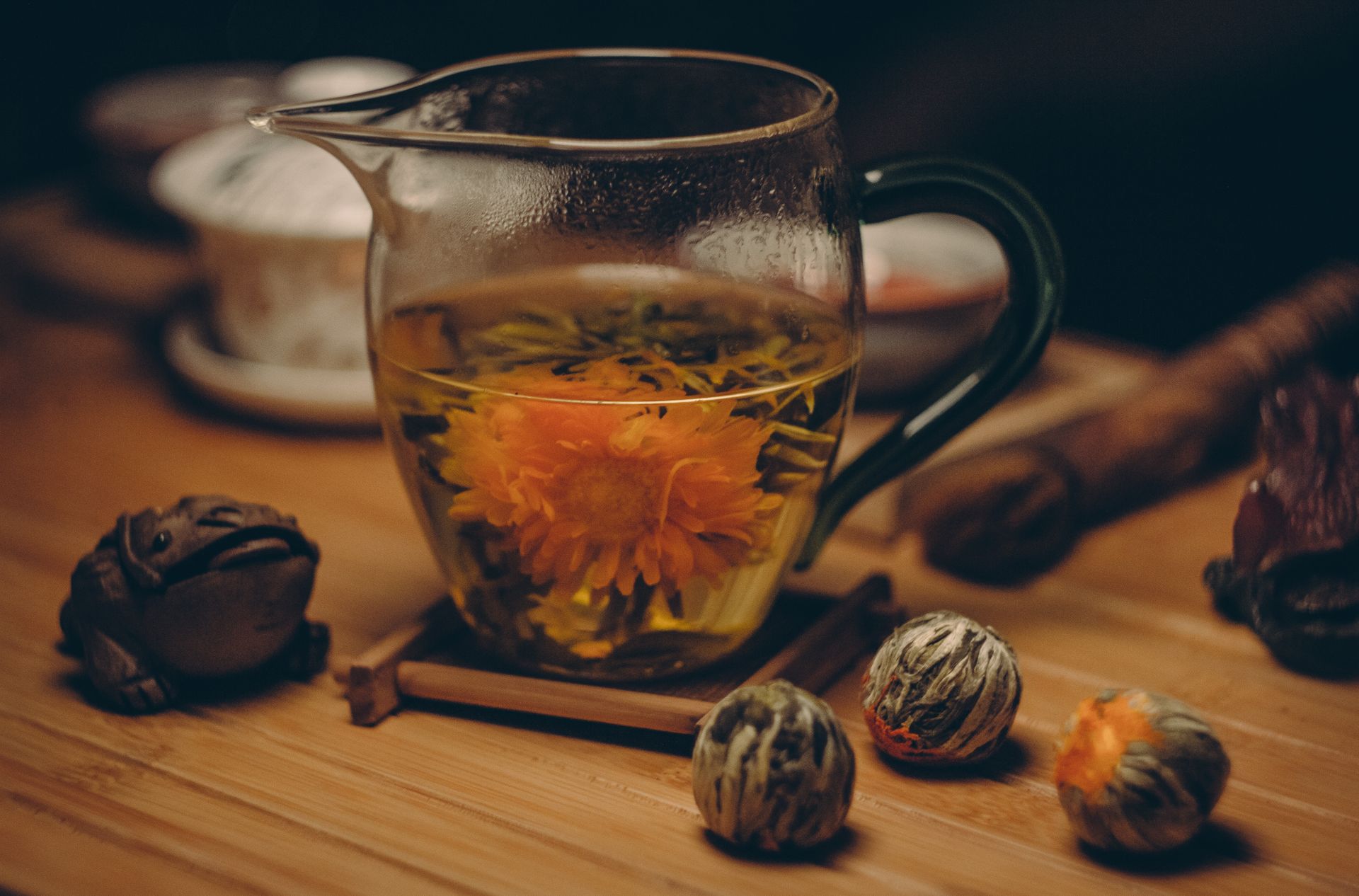
High Blood Pressure, a TCM View: Calming "Liver Yang" With Diet & LifestyleSep 9, 2026High blood pressure through a TCM lens: liver yang rising (gan yang shang kang), calming-liver foods and chrysanthemum tea, lifestyle habits, and LR3, GB20 and LI11 acupressure.Read the guide→
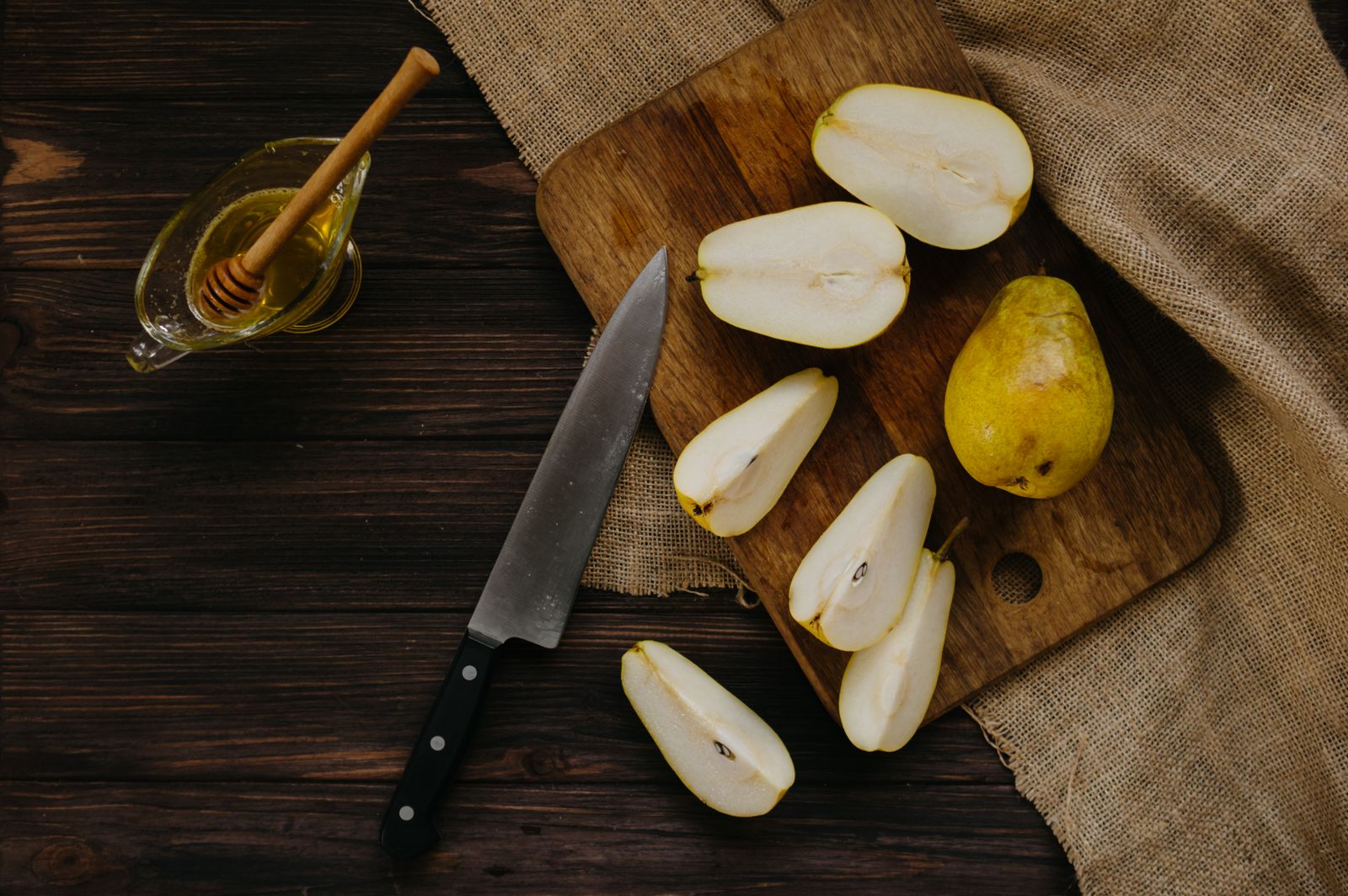
TCM for Cough & Sore Throat: Autumn Dryness Remedies, Herbal Teas & Acupressure PointsSep 8, 2026TCM home care for cough and sore throat: how autumn dryness (秋燥) dries the throat and voice, telling a dry cough from a phlegm cough, steamed pear with Sichuan bearball (川貝燉梨), honey and white radish, loquat syrup, lily bulb and ophiopogon, three herbal teas, and acupressure at LU-7, LU-5, CV-22 and LI-4 — plus warning signs that need a doctor.Read the guide→
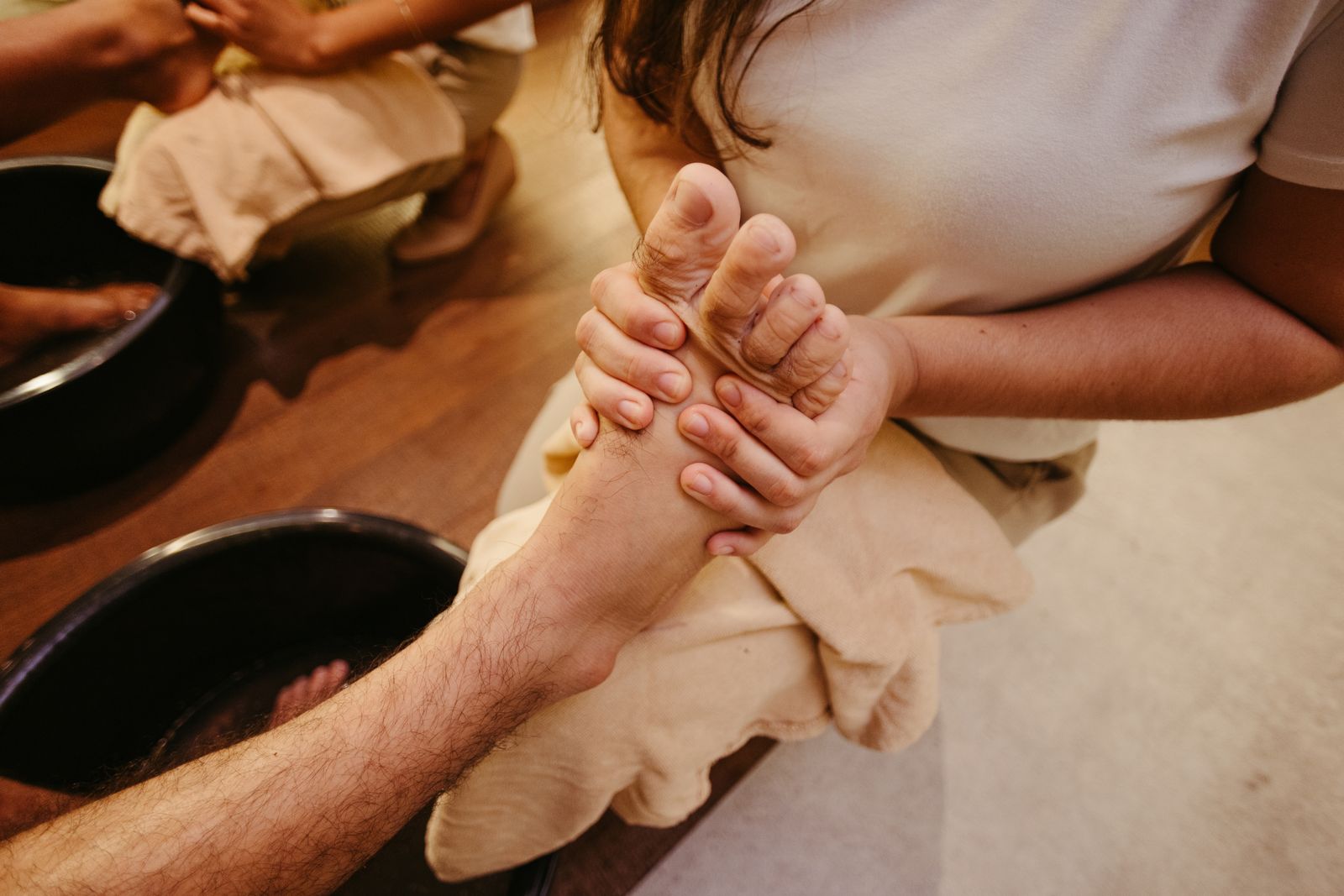
TCM for Cold Hands and Feet: Yang Deficiency, Warming Foods & Acupressure for CirculationSep 7, 2026TCM for cold hands and feet: yang deficiency, qi-blood deficiency, and liver qi stagnation, with warming foods, acupressure points, and foot soaks.Read the guide→
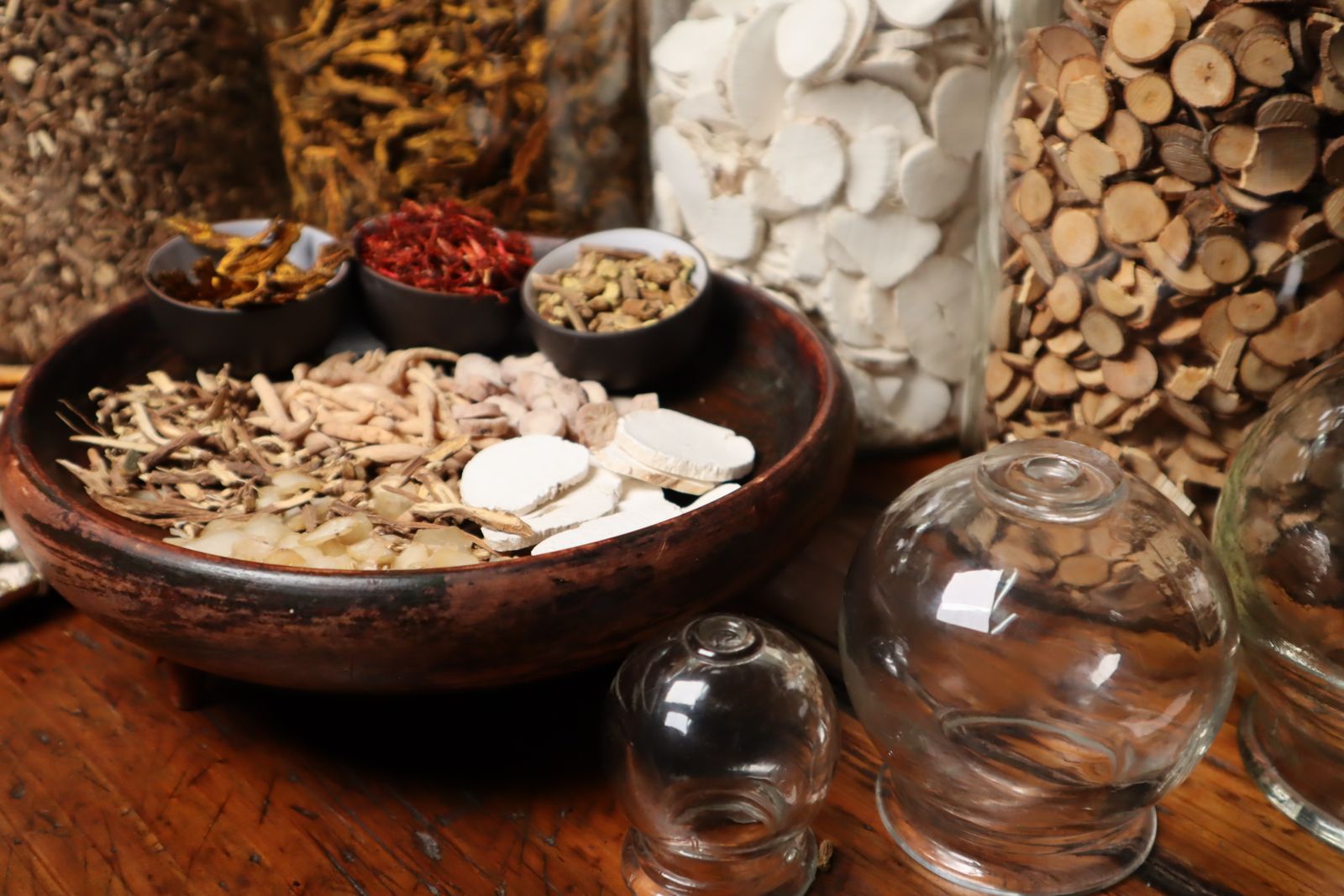
TCM for Neck & Shoulder Tension: Acupressure Points, Cupping, and Daily Habits for Desk WorkersSep 6, 2026TCM for neck pain and shoulder tension in desk workers: the Chinese medicine view of stiff, frozen necks as wind-cold-damp invasion, liver qi stagnation, and qi and blood stasis (yu), six acupressure points with exact locations — GB20 Fengchi, GB21 Jianjing, GV14 Dazhui, SI3 Houxi, LI4 Hegu, and BL10 Tianzhu — a five-minute self-massage routine, safe cupping and gua sha basics with clear warnings, and the daily desk habits and stretches that stop the knots from coming back.Read the guide→
TCM Digestive Health: How the Spleen & Stomach Theory Explains Bloating, Fatigue, and Brain Fog — and What to Do About ItSep 5, 2026TCM digestive health through the spleen (pi) and stomach (wei): why Chinese medicine calls the spleen the root of acquired constitution, the classic spleen qi deficiency symptoms of bloating, loose stools, fatigue, brain fog, and a scalloped tongue, the everyday habits that weaken it, spleen-friendly foods like millet congee and pumpkin, the Four Spirits Soup, home acupressure on ST36, SP6, CV12, and PC6, and how liver qi stagnation turns stress into bloating.Read the guide→
TCM for Autumn Mood & Seasonal Blues: Why Fall Feels Heavy and How Chinese Medicine Lifts ItSep 4, 2026TCM autumn mood guide: why Chinese medicine links fall to the lung (fei), grief (bei), and the Metal element, plus how seasonal affective low mood relates to lung qi deficiency and qi stagnation. Includes mood-lifting autumn foods, gentle herbal teas, and Shenmen (HT7), Neiguan (PC6), Taichong (LV3), Baihui (GV20), and Lieque (LU7) acupressure for seasonal blues.Read the guide→
TCM Kidney Health & Jing Essence: A Traditional Framework for Vitality and LongevitySep 3, 2026TCM kidney health explained: why the kidney (shen) is the storehouse of jing essence, kidney deficiency TCM symptoms, kidney yin vs kidney yang, jing-sparing lifestyle habits, kidney-nourishing foods like black sesame and goji berries, and the Shenshu (BL23), Taixi (KI3), and Yongquan (KI1) acupressure points.Read the guide→
TCM Autumn Wellness: How to Beat Autumn Dryness with Lung-Nourishing Foods and Daily HabitsSep 2, 2026A practical TCM autumn wellness guide to beating autumn dryness: why the Metal element puts the lungs on the line in fall, five lung nourishing foods with exact ways to use them, a chrysanthemum-goji tea recipe, and daily habits — early sleep, neck protection, layering, and gentle movement — you can start tonight.Read the guide→
TCM for Autumn Wellness: Lung Health, Dryness Protection & Seasonal Eating GuideSep 1, 2026How TCM approaches autumn wellness: why the Five Elements Metal season and autumn dryness (秋燥) weaken lung qi and dry the skin, nine moistening foods for seasonal eating, three herbal teas, three lung acupressure points (LU5, LU7, LI4), breathing practice, and daily routines that layer TCM with modern habits.Read the guide→